What to Do Immediately After a Defensive Shooting Incident
Defensive shooting incidents are among the most intense and traumatic experiences a person can endure. Whether in self-defense or defense of others, discharging a firearm under such circumstances often leads to significant physical, emotional, and legal consequences. Understanding what steps to take immediately after a defensive shooting is crucial for ensuring personal safety, protecting legal rights, and facilitating a proper investigation.
This article provides a detailed guide on the essential actions one must take right after a defensive shooting incident. Drawing from expert advice, law enforcement protocols, and real-world case studies, it aims to equip individuals with the knowledge to navigate this difficult aftermath effectively.
1. Ensure Immediate Safety: Secure Yourself and Others
The first priority after any defensive shooting is safety. Even though the immediate threat may appear neutralized, the situation can remain volatile.
- Check for ongoing threats: Quickly scan your surroundings to ensure no other attackers or dangers are present.
- Move to a safe location: If possible, relocate yourself and any bystanders away from the scene of conflict to prevent further harm.
- Call 911 immediately: Contact emergency services as soon as you are safe. Provide clear information about your location, the nature of the incident, and whether anyone is injured.
A notable example is the 2015 shooting incident involving Chris Mintz at Umpqua Community College in Oregon. After subduing the attacker, Mintz immediately sought safety and called for help despite his own injuries, which helped law enforcement respond quickly and save lives.
2. Render Aid Without Compromising Evidence
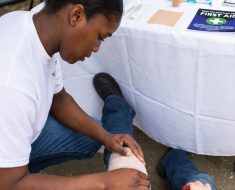
If there are injured parties—whether yourself, an attacker, or innocent bystanders—administering first aid is critical but should be balanced with preserving evidence for investigations.
- Provide basic first aid: Stop bleeding using pressure bandages or improvised materials while waiting for paramedics.
- Avoid unnecessary movement: Do not move wounded persons unless absolutely necessary for safety reasons.
- Preserve the scene: Avoid touching anything that could alter evidence such as firearms, shell casings, or personal belongings.
The principle of “do no harm” extends beyond medical aid; it also includes protecting forensic evidence that will be vital for legal proceedings. According to data compiled by the FBI’s Uniform Crime Reporting Program, well-preserved crime scenes increase the chances of favorable outcomes in court by up to 40% compared to compromised scenes.
3. Notify Law Enforcement and Cooperate Strategically
Once emergency medical services are on their way or have arrived, your next step is to engage with law enforcement officers professionally while protecting your rights.
- Identify yourself calmly: Inform officers that you were involved in a defensive shooting and provide your identification when requested.
- Avoid spontaneous statements: Refrain from giving detailed accounts without legal counsel present. Simple answers such as “I’m cooperating” or “I’ll provide a statement later” are advisable.
- Request an attorney: It is your right to have legal representation during questioning; exercise this right promptly.
The importance of measured communication was highlighted in the high-profile case of George Zimmerman in 2012. Zimmerman’s initial interactions with police were scrutinized heavily; experts suggest that more cautious engagement might have mitigated some legal challenges he faced later on.
4. Document Everything: Create an Accurate Record While Memories Are Fresh
The aftermath of a defensive shooting can be disorienting; however, maintaining an accurate record of events is vital for both legal defense and personal clarity.
- Write down what happened as soon as possible: Include details such as time, location, sequence of events, people involved, and your state of mind.
- Photograph injuries and scene (if safe): Visual documentation can corroborate your account when used appropriately during investigations or trials.
- Collect witness information: Names and contact details of anyone who observed the incident may be invaluable later on.
A study published in the Journal of Forensic Sciences emphasizes that early documentation reduces inconsistencies caused by stress-related memory degradation—a common phenomenon following traumatic events like shootings.
5. Seek Professional Legal Advice Immediately
The legal aftermath of a defensive shooting can be complex and varies significantly depending on jurisdictional laws related to self-defense. Seeking professional legal counsel without delay is essential to protect your rights and navigate potential charges or civil litigation effectively.
- Select an attorney experienced in self-defense cases: Specialized knowledge helps anticipate prosecutorial strategies and build strong defenses.
- Avoid public discussions about the incident: Statements on social media or casual conversations may inadvertently harm your case.
- Follow your attorney’s guidance carefully: From interviews with police to media interactions, professional advice ensures your interests remain safeguarded throughout proceedings.
The case of Colton Haab in Wisconsin illustrates how timely legal intervention can shape outcomes positively even when initial public opinion appears unfavorable due to media coverage surrounding self-defense incidents.