A good maintenance log does more than help you remember when you last cleaned a rifle, pistol, or shotgun—it gives you a clearer picture of how each firearm is aging and performing over time. For responsible gun owners, hunters, and everyday carriers alike, that kind of record can be the difference between routine upkeep and a costly, potentially unsafe surprise. When you track what you inspect, clean, replace, and notice, small signs of wear become much easier to catch before they turn into real problems.
Keep a Simple Log to Spot Wear Early
A maintenance log does not need to be fancy to be effective. In fact, the best logs are often the simplest: date, firearm model, round count if known, cleaning details, parts replaced, and any observations about function, finish, or recoil. Whether you use a notebook, spreadsheet, or phone app, the key is consistency. Over time, those small entries build a reliable history that shows patterns you might otherwise miss.
This habit is especially valuable because firearms wear in predictable ways, but not always at the same pace. Springs weaken, extractors show stress, recoil components compress, and feed ramps or locking surfaces may develop signs of use long before a malfunction becomes obvious. A log helps you compare current condition to past notes, so a slight change in trigger feel, cycling speed, or ejection pattern stands out earlier. That makes it easier to schedule preventive maintenance instead of waiting for a failure at the range or in the field.
Historically, careful recordkeeping has always been part of serious firearms ownership, from military armorers tracking service life to competitive shooters monitoring parts replacement intervals. Today, the same principle applies to modern defensive pistols, hunting rifles, and precision setups. A simple log also supports safety and legal responsibility: it shows that you are maintaining your firearms properly and paying attention to equipment condition, which is a hallmark of disciplined ownership.
Catch Small Firearm Issues Before They Grow
The real value of a maintenance log is how it helps you connect the dots between tiny changes and bigger issues. For example, if you notice slightly more fouling than usual, a softer magazine spring, or a small change in point of impact after a cleaning session, those details may seem minor on their own. But when repeated over several outings, they can reveal a worn component, ammunition compatibility issue, or a need for deeper inspection. Catching that early can prevent stoppages, accuracy loss, or avoidable wear on critical parts.
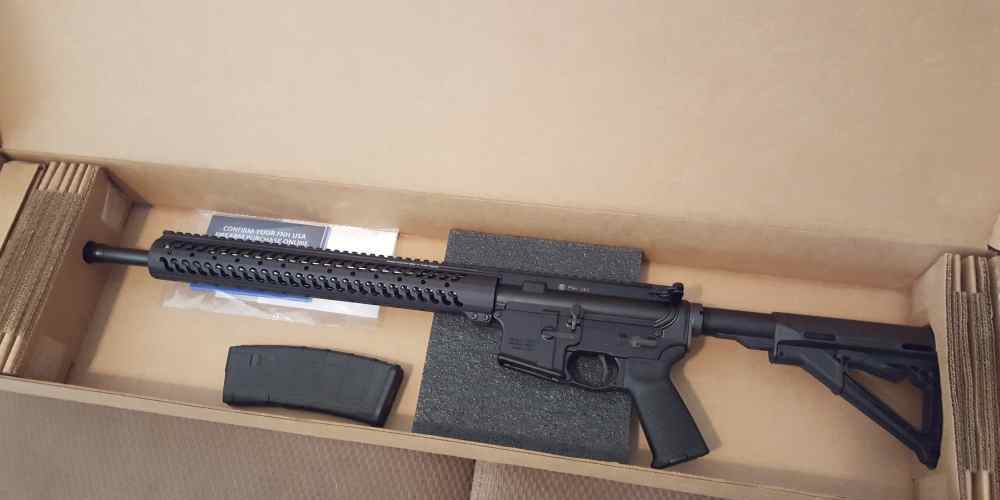
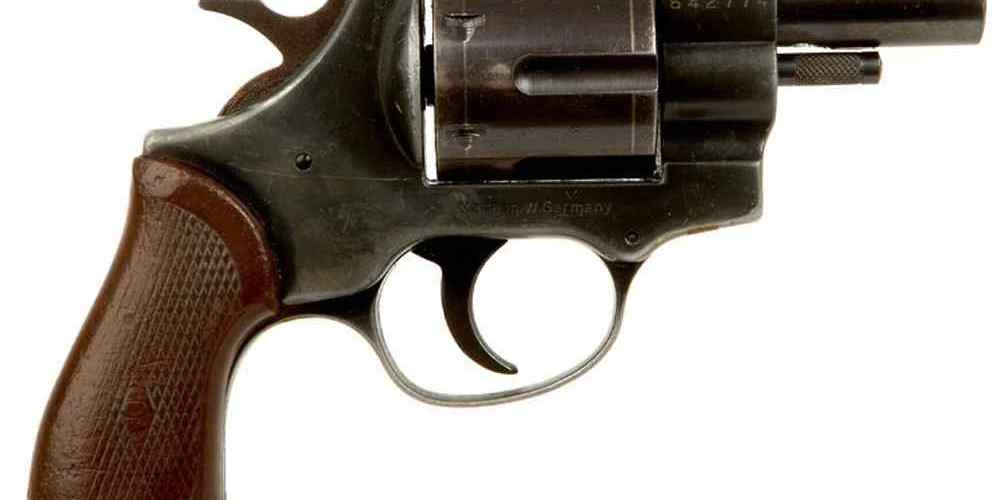
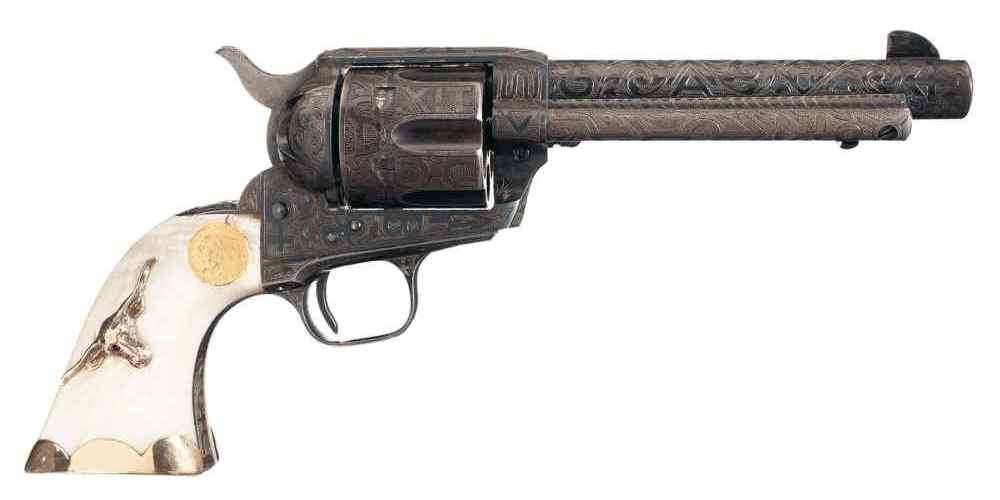
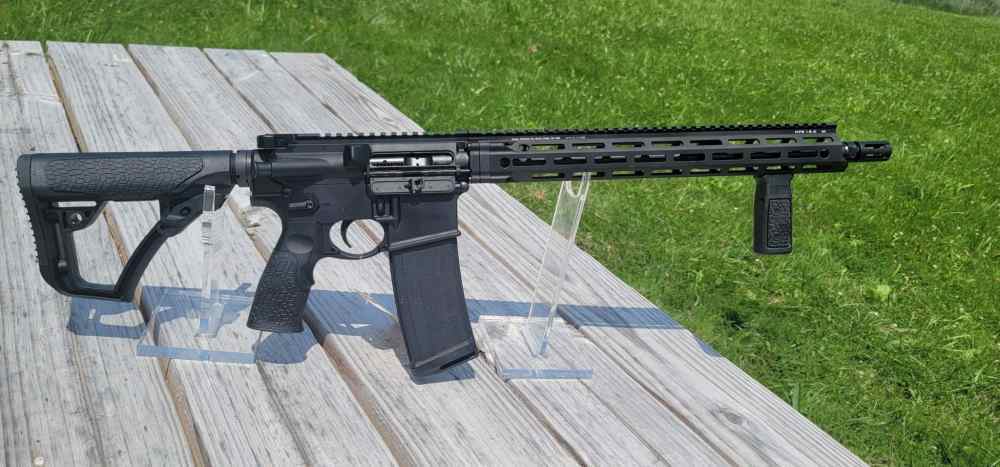
A good log also makes inspections more meaningful. Instead of doing the same routine every time without context, you can compare current observations to previous entries and look for trends in critical areas like the bolt, recoil spring, firing pin channel, magazines, barrel crown, and locking surfaces. For shotgun owners, that may mean tracking shell ejection and action smoothness; for AR-platform users, it may involve gas system performance and bolt lug condition; for revolver owners, it may include cylinder gap consistency and timing. The specific parts differ, but the habit of documenting changes stays the same.
Just as important, logging encourages responsible decisions about repair and replacement. Firearm owners sometimes wait too long because a gun is “still working,” but reliability is not something to guess at. If your notes show a recurring issue, you can address it with a qualified gunsmith, replace a worn part with a quality component, or reevaluate ammunition or accessory choices. That kind of informed maintenance protects both the firearm and the shooter. It also supports safe, legal use by keeping your equipment in dependable condition for hunting, training, competition, or self-defense.
In the end, a maintenance log is one of the most practical habits a firearm owner can build. It costs almost nothing, takes only a few minutes, and pays off by revealing wear patterns before they become expensive or dangerous. More importantly, it reinforces the mindset every responsible gun owner should have: know your equipment, maintain it carefully, and never ignore small changes.
For armsparts.com readers, this is a simple but powerful step toward safer, more reliable firearms ownership. Whether you shoot occasionally or train regularly, tracking maintenance helps you stay ahead of problems and keep every firearm ready for its intended purpose. Responsible ownership is not just about storage and handling—it is also about paying attention, documenting what you see, and acting early when something starts to change.