When it comes to defensive handguns and practical shooting, small design details can make a surprisingly large difference. One of the most debated but meaningful choices is mag release placement. For right-handed shooters, the standard thumb-accessible button often feels natural. For weak-hand reloads, though, a better-positioned magazine release can reduce fumbling, save time, and make training more consistent under stress. In this article, we’ll look at why mag release placement matters, how it affects weak-hand reloads, and what responsible gun owners should consider when evaluating or upgrading a firearm setup.
Why Mag Release Placement Matters on Reloads
Mag release placement has always been a product of both design philosophy and user ergonomics. Early service pistols and many classic designs were built around right-handed operation, which made sense for military and law enforcement issue guns of the era. As modern handgun use expanded into civilian concealed carry, competition, and home defense, manufacturers began paying more attention to ambidextrous controls, reversible releases, and more intuitive ergonomics. The result is a wide variety of systems, each with strengths and tradeoffs depending on hand size, shooting style, and training background.
For weak-hand reloads, placement becomes especially important because the shooter is already working around a compromised grip or an injured/dominant hand that cannot be used. In those moments, the magazine release must be easy to find without excessive fine motor effort. A release that sits too recessed, too stiff, or in an awkward position can slow the process and increase the chance of dropping a magazine unexpectedly or failing to seat a fresh one cleanly. That is not just a performance issue; it can also create safety concerns if the shooter becomes distracted while handling a loaded firearm.
The best mag release placement is one that supports repeatable, efficient manipulation without sacrificing security. A release should be accessible enough to operate deliberately, yet protected enough to prevent accidental activation during carry, recoil, or movement. That balance is why some shooters prefer extended controls, while others favor factory-sized parts and more practice. The right answer often depends on the handgun’s role: a concealed-carry pistol may prioritize snag resistance, while a competition gun may favor faster manipulations. In every case, the goal is the same—safe, reliable operation when it matters most.
How a Better Setup Speeds Weak-Hand Reloads
A better mag release setup improves weak-hand reloads by reducing the number of awkward movements needed to complete the drill. When the release is easy to access with the support hand, the shooter can strip the empty magazine, index a fresh one, and get the pistol back into action with less searching and less wasted motion. This is especially useful during one-handed or support-hand-only training, where the body mechanics are already less natural than a standard two-handed reload. Even small improvements in control placement can have a measurable effect on speed and consistency.
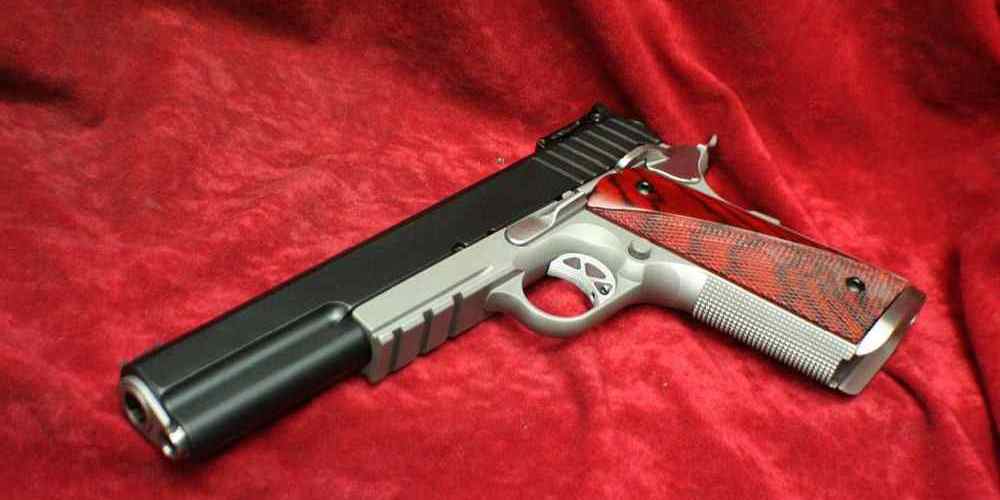
From a technical standpoint, an ideal weak-hand reload setup often includes a magazine release that is either ambidextrous, reversible, or large enough to reach without shifting the grip excessively. Some shooters also benefit from slightly extended magazine release buttons, provided they do not create an accidental-drop risk. Grip shape matters as well. A frame with well-placed cutouts or more neutral ergonomics can allow the thumb or index finger of the support hand to reach the release more directly. In practical use, that can translate into less fumbling under stress, especially when using gloves, training in cold weather, or operating with reduced dexterity.
Responsible shooters should test any mag release change through live-fire practice and dry practice under safe conditions. The key is not just raw speed, but reliable execution. A modification that feels fast on the bench may prove less useful if it causes premature magazine release during recoil or carry. It is also wise to confirm that any aftermarket part is compatible with the firearm model and complies with local laws and range rules. For hunters, concealed carriers, and defensive users alike, a well-chosen mag release should support dependable handling, not replace good training. When paired with consistent practice, the right placement can make weak-hand reloads smoother, safer, and more realistic in the field or on the range.
The value of mag release placement is easy to overlook until the moment a reload has to happen quickly, cleanly, and with the weak hand. At that point, ergonomics matter just as much as mechanics. A well-positioned release can save time, reduce frustration, and improve confidence, but only when it is matched to the shooter and used responsibly. As with any firearm setup, the best results come from a combination of good equipment, proper instruction, and regular practice. For gun owners who care about readiness and safety, that is a worthwhile investment.