The path from novice to competent shooter is not about speed, gimmicks, or chasing tight groups right away. It is about building a reliable foundation, repeating good habits, and learning to manage a firearm safely and confidently under a variety of conditions. For hunters, self-defense practitioners, and recreational shooters alike, competent marksmanship starts long before the first live round is fired. It begins with respect for the tool, attention to detail, and a commitment to responsible practice.
A well-designed training progression gives new shooters a clear roadmap. Instead of trying to master everything at once, it breaks the process into manageable skills that reinforce one another. Safety comes first, then grip and alignment, then controlled presentation, trigger press, follow-through, and finally more realistic live-fire practice. That sequence reflects decades of practical shooting wisdom and remains one of the most effective ways to build confidence without building bad habits.
Start with Safety, Grip, and Sight Alignment
The first step in becoming a competent shooter is learning the universal safety rules until they become second nature. Keep the muzzle pointed in a safe direction, keep your finger off the trigger until your sights are on target and you are ready to fire, know your target and what lies beyond it, and always treat every firearm as if it were loaded. These are not slogans; they are the baseline habits that prevent accidents and allow training to happen with discipline and trust. Safe gun handling should be practiced every time a firearm is touched, whether at home, at the range, or in the field.
Once safety becomes routine, attention should shift to grip and stance. A stable grip helps control recoil, return the firearm to target more efficiently, and reduce unnecessary movement during trigger press. For pistols, that usually means a firm two-handed grip with the web of the strong hand high on the backstrap, support hand wrapping in to maximize contact. For long guns, proper shoulder placement, stock weld, and support-hand position matter just as much. The goal is not to look “tactical” but to create a repeatable platform that allows the sights or optic to remain steady through the shot.
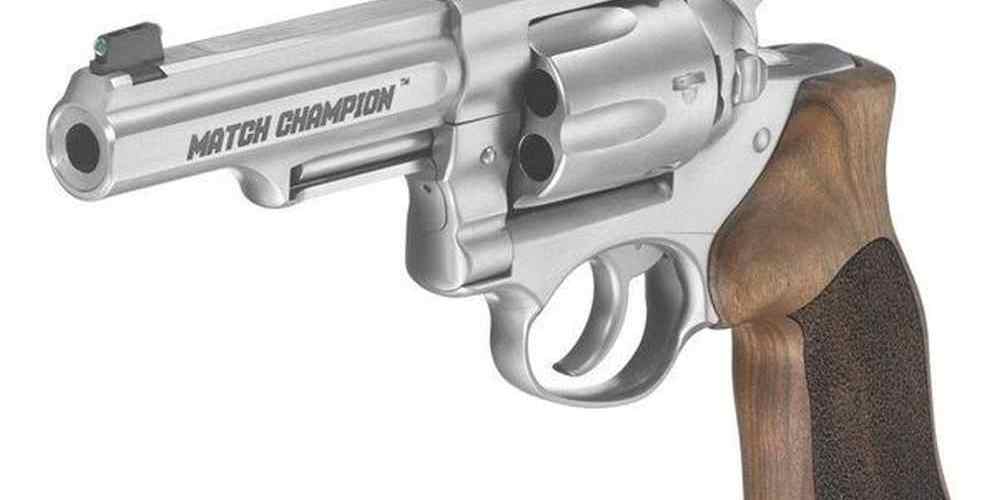
Sight alignment and sight picture complete the foundation. Novices often want to fire quickly, but accurate shooting begins with learning how the front sight, rear sight, and target relate to one another. With iron sights, a consistent alignment of the front and rear sights matters more than staring at the target. With optics, the principle is similar: keep the reticle stable and positioned correctly on the intended point of impact. History has shown that marksmanship was built on these fundamentals long before modern accessories existed, and they remain essential whether a shooter is using a classic revolver, a modern striker-fired pistol, a bolt-action rifle, or a defensive carbine.
Build Skill Through Dry Fire and Range Drills
Dry fire is one of the most valuable training tools available to new shooters, and it costs little more than time and discipline. Practicing trigger press, sight alignment, presentation, and reset without live ammunition helps isolate technique and reveal flaws that would be harder to notice under recoil. Before any dry-fire session, the firearm must be unloaded, magazines removed, ammunition stored separately, and the work area checked carefully. Many experienced shooters use a designated safe direction and a consistent routine so that every session begins and ends with the same level of caution.
When done correctly, dry fire builds habits that carry directly to live fire. A novice can practice drawing from a holster only if it is legal, safe, and done under appropriate supervision; otherwise, they can work on acquiring the firearm from a ready position, bringing the sights into alignment, and pressing the trigger smoothly without disturbing the sights. This kind of repetition teaches the shooter to see what the gun is doing during the trigger press. Small movements become obvious, and over time the shooter learns to isolate the trigger finger from the rest of the hand. Quality training aids such as dummy rounds, laser cartridges, snap caps, and shot timers can be useful, but they should support fundamentals rather than replace them.
Live-fire range drills should be simple at first and then gradually more demanding. Start with deliberate shots at close distance to confirm grip, stance, and sight alignment, then move to controlled pairs, cadence drills, and target transitions only after accuracy is consistent. A competent shooter learns to balance speed with precision, because rushing before the fundamentals are stable usually creates bad habits. It also helps to keep a training log of group sizes, distances, and observations so progress can be measured honestly. Over time, this structured progression turns uncertainty into confidence, and confidence into competence—without ever losing sight of the responsibility that comes with owning and using a firearm.
The journey from novice to competent shooter is built on patience, repetition, and a serious respect for safety. The shooters who improve most reliably are not the ones who practice the fanciest drills first, but the ones who return to the basics until the basics are automatic. Safety, grip, and sight alignment create the foundation; dry fire and range drills turn that foundation into usable skill.

For responsible gun owners, that progression matters whether the goal is home defense, hunting success, or simply better performance on the range. Competence is not a single achievement but a standard maintained through ongoing practice, careful instruction, and honest self-assessment. If you build your skills step by step, you will not just shoot better—you will handle firearms with the calm, disciplined confidence that responsible ownership demands.