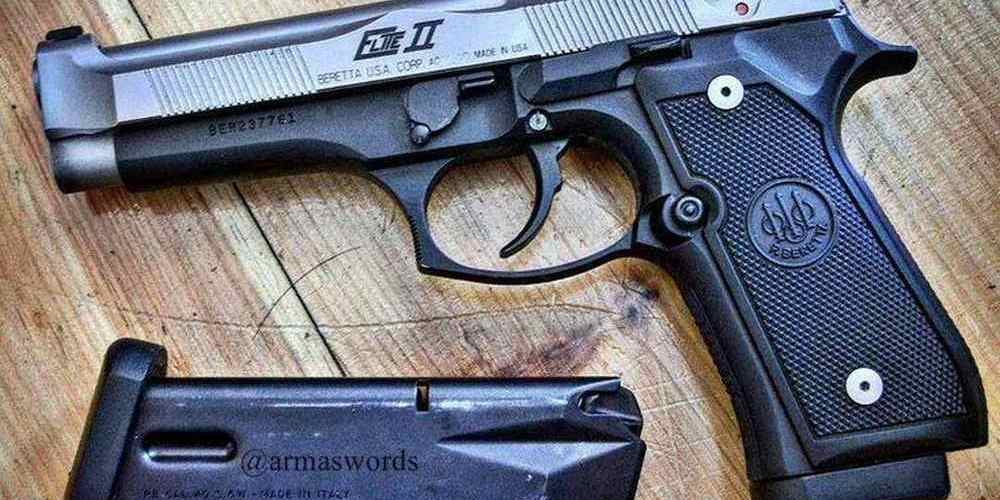
In self-defense, equipment matters—but it is never the foundation of effective protection. The most reliable principle is simple: mindset, judgment, and training override gear choices every time. A carefully chosen holster, a dependable firearm, quality ammunition, or a modern optic can improve performance, but none of those items can compensate for poor decision-making, lack of practice, or a weak understanding of the law and use-of-force realities. Responsible gun owners know that the true advantage begins long before a firearm is ever drawn.
Mindset First: Skill Beats Any Gear Choice
The first and most important layer of self-defense is the mindset behind the gear. A firearm is not a substitute for awareness, restraint, or the ability to recognize danger early. Historically, those who survived violent encounters most effectively were often the ones who avoided trouble altogether, de-escalated when possible, and acted decisively only when necessary. That same principle holds today: the best self-defense outcome is usually the one that prevents a confrontation from becoming physical in the first place.
Skill also determines whether your gear can actually be used well under stress. A premium handgun with excellent sights means little if the owner cannot draw safely, control recoil, or make accurate decisions under pressure. The same applies to hunters and defensive shooters alike: familiarity with your firearm, safe handling habits, and consistent live-fire and dry-fire practice matter more than chasing the newest accessory. A reliable handgun in trained hands is far more valuable than an expensive setup in unprepared ones.
Judgment is part of skill, and it is often the most overlooked element. Self-defense is not about seeking a fight; it is about preserving life while staying within the law and avoiding unnecessary risk. That means knowing your local statutes, understanding when deadly force is justified, and practicing safe storage so unauthorized users cannot access your firearms. Responsible ownership also includes choosing gear that fits your body, your environment, and your needs—because a well-thought-out setup supports training, while a poorly chosen one can undermine it.
Why Training Matters More Than the Latest Gear
Training is what turns equipment into capability. A red dot sight, weapon light, improved trigger, or top-tier holster can all be useful, but only if the shooter has the repetitions to run them safely and efficiently. In real-world defensive situations, adrenaline narrows focus and complicates fine motor control, which is why practice must include the basics: presentation, target acquisition, trigger discipline, malfunction clearing, and safe reholstering. These are not glamorous skills, but they are the ones that matter most when seconds count.
The firearms market is full of products promising faster performance, greater comfort, or better accuracy, and many of them are genuinely useful. Still, gear upgrades should be viewed as multipliers, not replacements. For example, a quality belt and holster can improve concealment and retention, while a dependable flashlight can help identify a threat before you make a critical mistake. But none of that changes the fact that an informed, disciplined shooter with a modest setup will usually outperform an untrained owner with a full bag of high-end accessories.
The most practical path forward is to build competence before collecting equipment. Invest in professional instruction, regular range time, and scenario-based decision-making that emphasizes safety and legal responsibility. Learn how your firearm behaves with your chosen carry ammunition, verify reliability, and maintain your equipment so it works when needed. In self-defense, the principle that overrides gear choices is consistency: steady training, sound judgment, and responsible habits will always matter more than the latest purchase.
The real edge in self-defense is not the brand of firearm, the price of the optic, or the newest must-have accessory. It is the disciplined owner who understands the law, respects the power of a firearm, and trains to use it safely and effectively. Gear has its place, but it should never be mistaken for preparation. For responsible gun owners, the smartest investment is always in skill, judgment, and safety first.