In responsible gun ownership, a firearm is never just a tool; it is a regulated property item with real legal, financial, and personal consequences attached to it. Whether you own a single hunting rifle, a defensive handgun, or a carefully curated collection, one habit stands out as especially protective: keeping clear legal documentation before any problem arises. Good records can help you prove ownership, assist law enforcement after a theft, support insurance claims, and reduce confusion during estate planning or private transfer.
For firearms enthusiasts, documentation is not about paperwork for its own sake. It is part of the discipline of safe and lawful ownership, right alongside secure storage, regular maintenance, and compliance with local, state, and federal laws. A well-kept record can turn a stressful situation into a manageable one, especially when a gun is lost, stolen, inherited, sold, or unexpectedly scrutinized. In that sense, paperwork is not a burden; it is a practical layer of protection.
Keep Ownership Records Before Problems Start
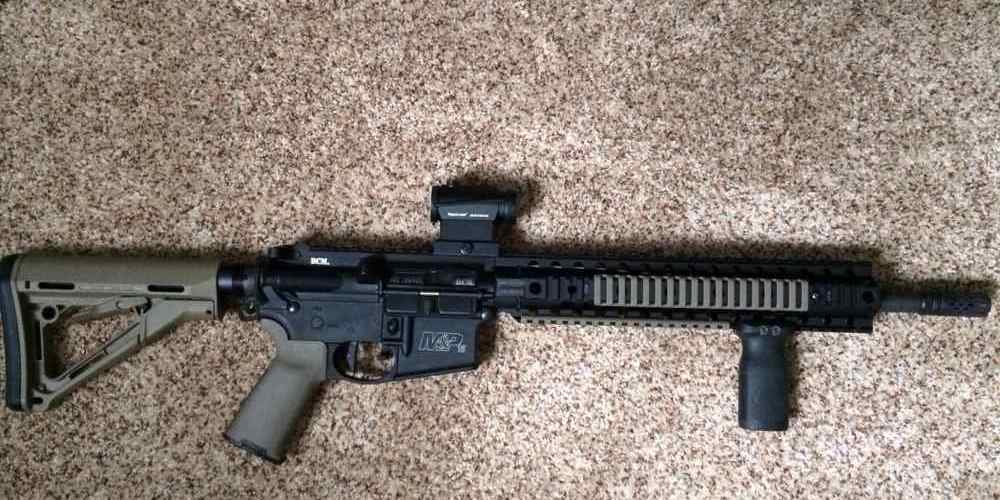
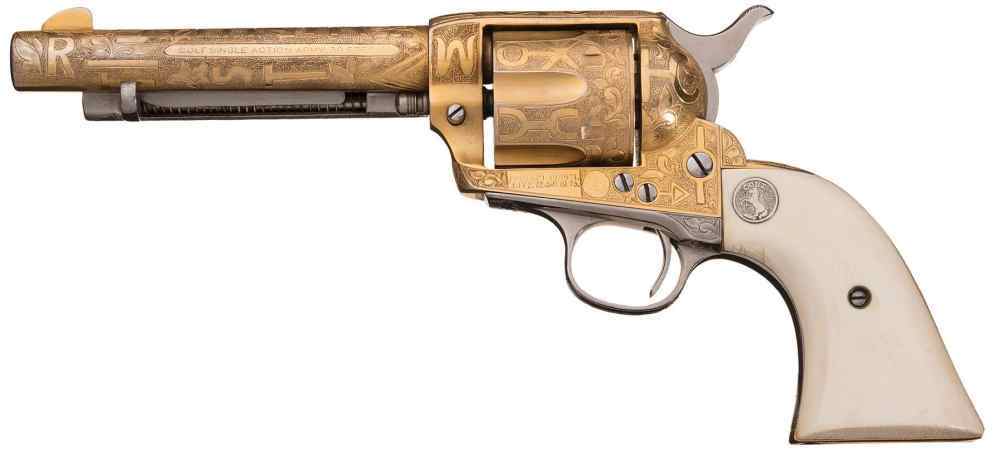
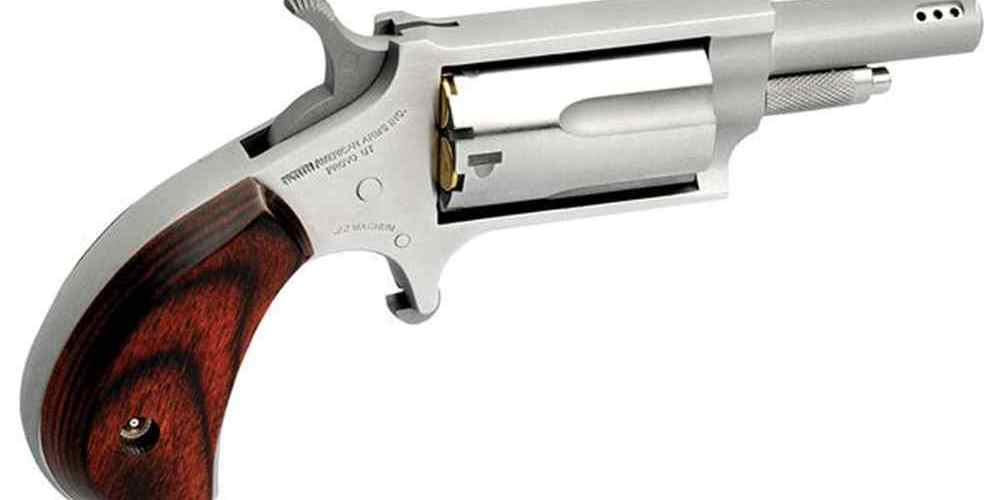
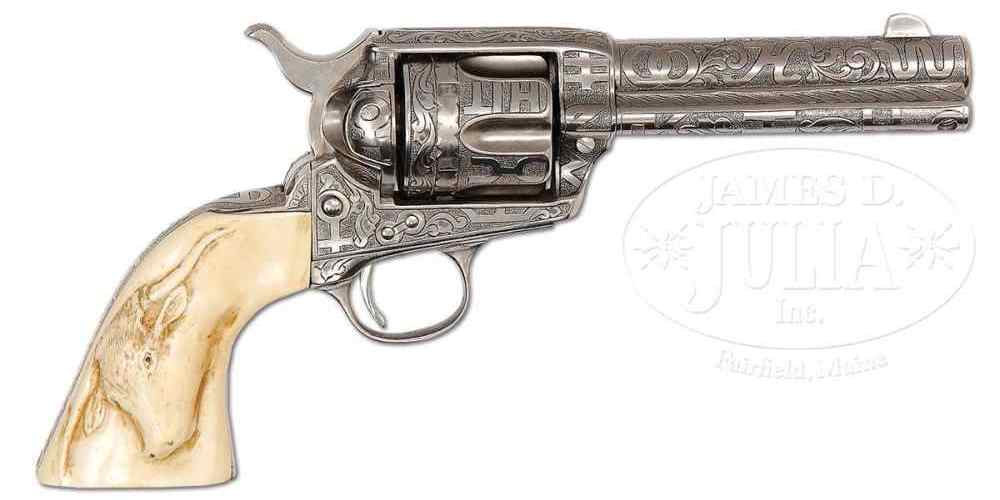
The best time to document a firearm is the day you acquire it, not after something goes wrong. Start by recording the make, model, caliber or gauge, serial number, finish, barrel length, and any distinguishing features such as optic mounts, aftermarket grips, or custom engravings. If applicable, keep copies of receipts, transfer forms, dealer invoices, or NFA-related documentation in a secure place. For many owners, a simple digital spreadsheet paired with scanned documents provides an easy, searchable system that can be updated over time.
Historically, firearms ownership records have mattered because guns are durable assets that often outlive the original purchase moment. A rifle passed down from a grandfather or a sidearm bought years ago may have no obvious proof of ownership later, especially if the original box or receipt is lost. That becomes a real problem if the firearm is stolen, if an insurer asks for evidence, or if heirs need to determine what belongs to an estate. Clear records bridge the gap between possession and provable ownership, which is especially important in states and jurisdictions with transfer rules, waiting periods, or reporting requirements.
A strong recordkeeping habit also supports safety and accountability. If you store firearms in a safe, note where each item is kept, when it was last inspected, and whether it needs maintenance like recoil spring replacement, optic battery changes, or rust prevention. For collectors and serious users, photos can be especially helpful because they capture unique wear patterns and markings that a simple text list may miss. Just be sure to store documentation securely and responsibly, since ownership records are sensitive information and should not be casually shared online or left in unsecured cloud folders.
Why Documentation Secures Your Legal Rights
Documentation secures your legal rights because it creates a trail that shows lawful possession, lawful transfer, and responsible stewardship. If a firearm is stolen, accurate records can help police enter the correct serial number into a database and improve the odds of recovery. If you ever need to file an insurance claim, proof of purchase and inventory records can support the value of the loss. And if a question ever arises about whether a gun was legally acquired, the paper trail can make the difference between a straightforward explanation and a complicated dispute.
The same principle applies to transfers, gifts, and inheritance. Firearm laws can vary widely, and what is simple in one state may require a dealer transfer, a background check, or specific documentation in another. Keeping records of who transferred what, when it happened, and under what legal process protects both the giver and the recipient. For heirs, estate planning documents can prevent confusion and reduce the risk of unlawful possession or accidental noncompliance. In practical terms, good documentation respects both the firearm and the law that governs it.
This habit also reflects the broader ethic of responsible gun ownership: treat firearms as serious property, maintain them carefully, and keep proof that you handled them lawfully. A basic file with receipts, serial numbers, photos, safe-storage notes, and transfer records can save time, money, and stress when life becomes unpredictable. Responsible owners already know that safety is more than muzzle discipline and trigger control; it includes administrative discipline too. When your records are organized, current, and secure, you are far better positioned to protect your ownership rights and uphold the standards that define lawful, conscientious firearm stewardship.
Legal documentation is one of the simplest habits a firearm owner can build, yet it can offer some of the strongest protection when ownership is challenged, property is stolen, or an estate must be settled. It does not replace safe storage, legal compliance, or careful handling, but it strengthens all of them by making your ownership clear and defensible.
For gun owners, hunters, self-defense practitioners, and collectors alike, the message is straightforward: document now, not later. A few minutes spent recording the right details today can preserve your rights, simplify future transfers, and help ensure that your firearms remain part of a lawful, responsible, and well-managed life.