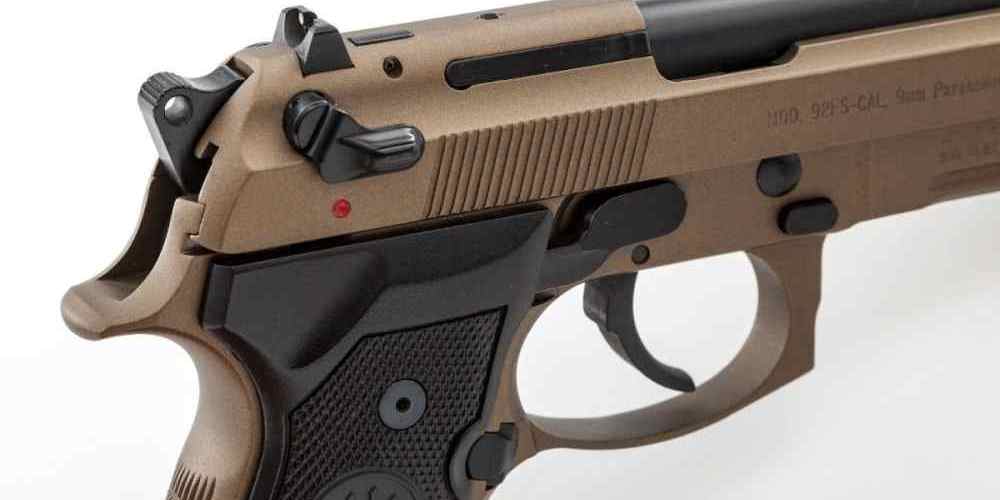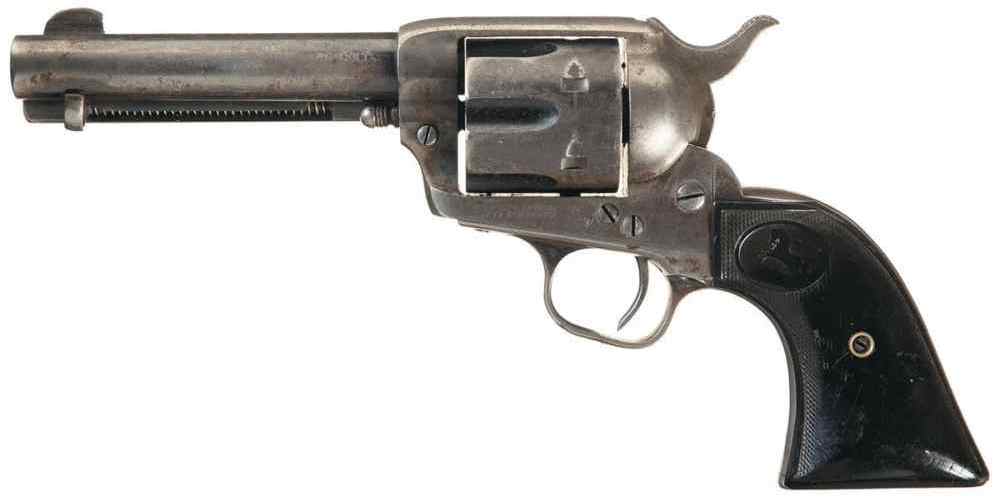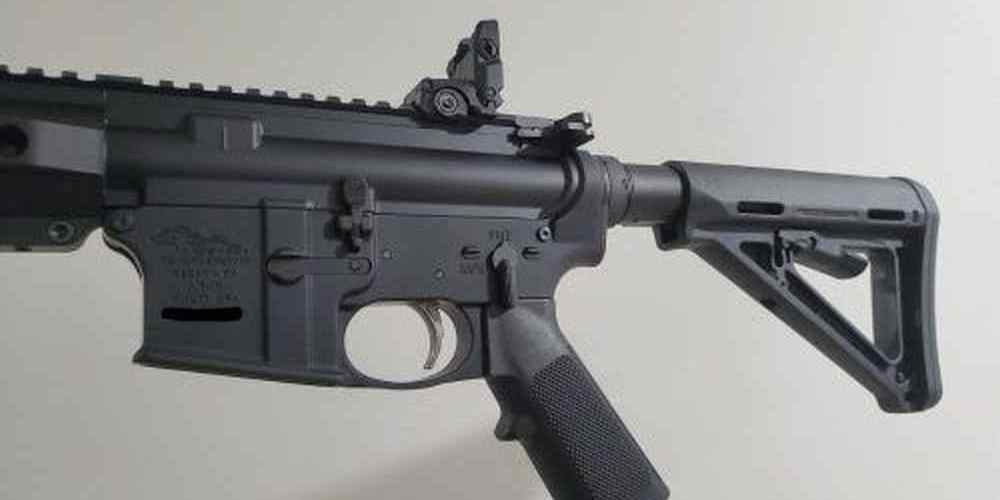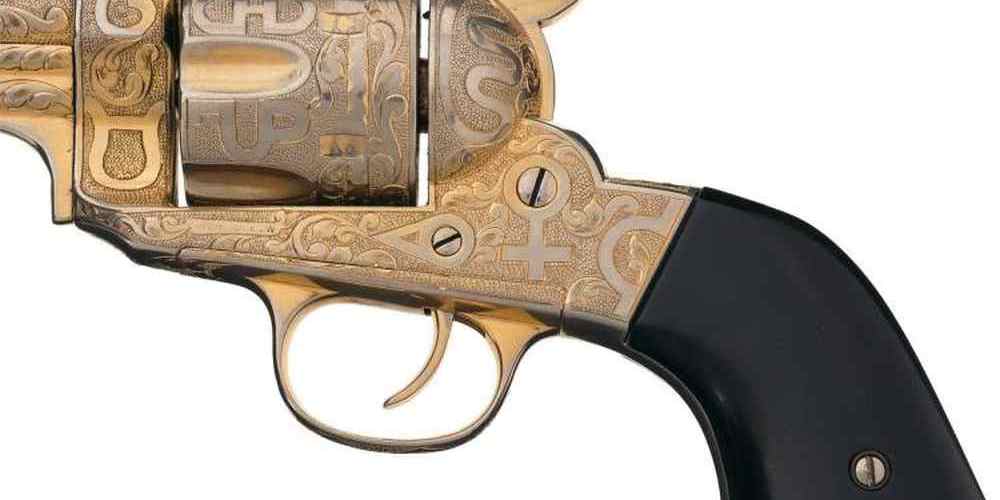
Collecting firearms can be a rewarding part of responsible ownership. For many enthusiasts, a firearm collection represents history, craftsmanship, personal milestones, and a practical connection to self-reliance. But there is a mistake that catches even experienced collectors: treating a firearm as an “investment” while ignoring the real costs of ownership. When storage, maintenance, legal compliance, and insurance are overlooked, a valuable piece can quietly turn into a financial burden—or even a liability.
The best collectors understand that value is not just about rarity or market price. A firearm’s true worth depends on condition, provenance, documentation, and how well it has been protected over time. Poor storage can lead to corrosion, damaged finishes, degraded wood, and mechanical issues that reduce value fast. In a market where condition matters enormously, the difference between careful stewardship and neglect can be thousands of dollars.
Responsible collecting means thinking beyond purchase price. It means planning for safe storage, climate control, legal obligations, and regular inspection. It also means recognizing that firearms are not passive assets like stocks or bonds; they are regulated tools that require ongoing care. When handled with discipline, a collection can retain its value and meaning. Without it, the same collection can become costly, unsafe, and difficult to sell or pass on.
When Collecting Becomes a Costly Burden
One of the most common mistakes is buying firearms with the expectation that they will automatically appreciate, then failing to account for ownership costs. Ammunition, accessories, cleaning supplies, safes, humidity control, and insurance all add up. A rifle that seemed like a smart purchase can become expensive to keep if it sits in a damp basement, gets exposed to dust and fluctuating temperatures, or is stored without proper security. What looks like an asset on paper can quickly become a liability in practice.
Condition is everything in the firearms world. Collectors know that rust on the bore, pitting on the receiver, or worn-original finishes can dramatically change market value. Even small mistakes—like storing guns in soft cases for long periods, using the wrong lubricant, or leaving them in a vehicle overnight—can accelerate wear and corrosion. Historical firearms are especially vulnerable because originality matters more than cosmetic polishing or “improvements” that erase authenticity.
There is also the legal side of collecting, which responsible owners cannot ignore. Firearm laws vary by state and locality, and some items may require extra care in transport, registration, transfer, or storage. A collection that is not properly documented can create problems for heirs, insurance claims, or lawful resale. For gun owners, the burden often comes not from the firearm itself, but from failing to treat ownership as an ongoing responsibility rather than a one-time purchase.
Why Careful Storage Protects Real Value
Proper storage is the foundation of preserving both safety and value. A quality safe or secure cabinet, anchored correctly and compliant with local laws, is one of the most important investments a gun owner can make. It protects firearms from theft, unauthorized access, and accidental handling, while also shielding them from environmental damage. For many collections, the cost of a secure storage system is far less than the loss caused by a single damaged or stolen firearm.
Climate control matters just as much as security. Firearms stored in areas with humidity swings—like garages, attics, or unfinished basements—are at higher risk of rust and stock damage. Desiccants, dehumidifiers, and safe humidity monitoring tools can make a major difference, especially for blued steel, military surplus rifles, and firearms with wooden stocks. Long-term storage should also include proper cleaning, light oiling, and periodic inspection so that small issues are caught before they become expensive repairs.
Documentation and maintenance complete the picture. Keep records of purchase, serial numbers, appraisals, photographs, and any special provenance, especially for collectible or discontinued models. This information can help with insurance, estate planning, and resale. It also protects the owner by proving lawful possession and condition history. In the end, the collector who preserves value is not the one who buys the most firearms, but the one who stores them responsibly, maintains them carefully, and respects both the law and the mechanical realities of ownership.
The collecting mistake that turns investments into liabilities is usually not dramatic—it is neglect. It happens when a firearm is bought for value but stored like an afterthought, or when legal and safety responsibilities are treated as optional. For gun owners who care about preserving both money and heritage, the lesson is clear: a collection only stays valuable when it is protected with discipline.
Responsible storage, regular maintenance, and accurate records are not side tasks; they are part of the collecting process itself. Whether you own a single heirloom rifle or a carefully curated set of handguns and long guns, treating each firearm as a piece of history and a regulated tool is what keeps it safe and valuable. That is how collectors avoid turning assets into burdens—and how they pass on something worth preserving.