Home Defense Training: Are You Truly Prepared?
In an era marked by increasing concerns over personal safety and property security, the concept of home defense has gained significant attention. However, being prepared to defend your home goes beyond simply owning a security system or a firearm—it requires comprehensive training, situational awareness, and a well-thought-out plan. This article delves into the essentials of home defense training, exploring what it means to be truly prepared and how you can safeguard your household effectively.
Understanding the Importance of Home Defense Training
Home defense is fundamentally about protecting yourself, your loved ones, and your property from intruders or other threats. While many homeowners invest in physical security measures such as locks, alarms, and cameras, these tools alone cannot guarantee safety. Proper training ensures that you know how to respond calmly and effectively under stress.
According to the FBI’s Uniform Crime Reporting (UCR) Program, there were approximately 1.4 million burglaries reported in the United States in 2022 alone. Of these incidents, nearly 30% involved residential properties. While not every burglary escalates to violence, the potential for confrontation is real. Being prepared reduces panic and improves decision-making during critical moments.
- Statistical Insight: The Bureau of Justice Statistics reports that about 60% of home invasions occur during daytime hours when residents are more likely to be present.
- Case Study: A family in Texas successfully deterred a home invasion after one member used skills learned in a self-defense class combined with effective communication protocols.
The Core Components of Effective Home Defense Training
True preparedness involves several layers of training that address physical readiness, mental resilience, and strategic planning. Here are the core components that every homeowner should focus on:
1. Situational Awareness
Situational awareness is the ability to perceive environmental elements within time and space, understand their meaning, and predict their status in the near future. In practical terms for home defense:
- Recognize unusual sounds or movements around your property.
- Identify potential escape routes and safe zones inside your home.
- Develop a habit of scanning your surroundings regularly without becoming paranoid.
2. Physical Self-Defense Skills
While many homeowners rely on weapons for protection, hand-to-hand combat skills can be invaluable when weapons are inaccessible or impractical. Basic self-defense techniques help you control or incapacitate an intruder long enough to escape or call for help.
3. Firearms Training (If Applicable)
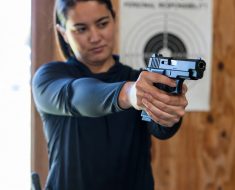
If you choose to own firearms for home defense, proper training is essential—not only in marksmanship but also in safe handling, storage, legal considerations, and decision-making under pressure.
- Enroll in certified firearms safety courses.
- Practice regularly at shooting ranges.
- Understand local laws governing firearm use in self-defense situations.
4. Emergency Communication Protocols
A crucial yet often overlooked aspect is establishing clear communication plans within your household and with emergency responders:
- Create code words or signals to alert family members discreetly.
- Know how to quickly contact police or security services via phone or smart devices.
- Practice “what-if” scenarios involving communication breakdowns or technology failure.
The Psychology of Home Defense: Staying Calm Under Pressure
A major challenge during a home intrusion is managing fear and stress responses. The human body’s fight-or-flight mechanism can either enhance performance or cause paralysis if not properly conditioned. Psychological preparedness is therefore as critical as physical skills.
- Mental Rehearsal: Visualization techniques where you imagine various scenarios can help prepare your mind for real encounters.
- Tactical Breathing: Controlled breathing exercises reduce heart rate and promote clearer thinking during stressful moments.
- Cognitive Flexibility: Being able to adapt plans quickly when unexpected events occur improves survival chances significantly.
A study published in the Journal of Applied Psychology found that individuals who practiced stress inoculation training performed better in simulated high-stress confrontations than those who did not receive such training.
The Role of Technology and Home Security Systems
Modern technology plays an integral role in enhancing home defense but should never replace personal preparedness. Smart locks, surveillance cameras, motion sensors, and alarm systems provide valuable layers of deterrence and early warning but require users to be knowledgeable about their operation and limitations.
- Cameras: Visible cameras deter potential intruders; however, blind spots can create vulnerabilities if not strategically placed.
- Alarm Systems: Loud alarms alert neighbors but may also escalate situations if not paired with immediate police notification systems.
- Smart Home Integration: Remote monitoring through smartphones allows homeowners to check on their property anytime but depends on reliable internet connectivity.
A notable example is the “Ring Effect,” where widespread use of video doorbells has led to increased community surveillance efforts reducing crime rates by up to 50% in some neighborhoods according to a study from Rutgers University.
Create Your Home Defense Plan: Practical Steps include assessing your home’s vulnerabilities, establishing a communication plan with family members, and regularly practicing scenarios to ensure everyone knows their role in an emergency.
Ultimately, a comprehensive approach that combines technology with personal preparedness will enhance your home defense strategy.