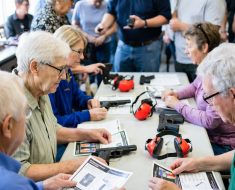
Gun Safety Training Exercises That Actually Work
Gun ownership carries a significant responsibility that goes beyond simply knowing how to operate a firearm. Proper gun safety training is essential not only for preventing accidents but also for fostering responsible behavior among gun owners. Despite the availability of numerous training programs, not all exercises are equally effective in instilling lifelong safe habits. This article explores gun safety training exercises that have been proven to work, backed by research, case studies, and expert insights.
The Importance of Effective Gun Safety Training
Before diving into specific exercises, it’s important to understand why effective gun safety training matters. According to the Centers for Disease Control and Prevention (CDC), approximately 39,707 firearm-related deaths occurred in the United States in 2019 alone, including unintentional shootings and homicides. Many of these incidents could have been prevented with proper education and training.
Effective training reduces accidental discharges, improves response in high-pressure situations, and promotes safe storage practices. Furthermore, it helps build confidence among gun owners and their families, reducing anxiety and fear associated with firearms.
Core Principles of Gun Safety Training
Before engaging in any training exercise, learners must understand the foundational principles of gun safety. These principles serve as the baseline for all activities designed to develop safe firearm handling skills:
- Treat every firearm as if it is loaded.
- Never point a firearm at anything you are not willing to destroy.
- Keep your finger off the trigger until ready to shoot.
- Be sure of your target and what lies beyond it.
- Store firearms unloaded and locked away safely.
Training exercises should reinforce these rules repeatedly until they become second nature.
Proven Gun Safety Training Exercises
The following exercises have been identified by experts and institutions such as the National Rifle Association (NRA), Project ChildSafe, and independent researchers as effective methods for teaching gun safety skills:
1. Dry Fire Practice with Safety Protocols
Dry firing involves practicing trigger control without live ammunition. It is one of the safest ways to develop muscle memory and reinforce safe handling habits.
- Description: Participants use an unloaded firearm or a dedicated training device to simulate aiming and trigger pulls.
- Benefits: Improves accuracy, trigger discipline, sight alignment, and reduces flinching during live fire sessions.
- Safety Notes: Always verify the gun is unloaded before starting. Use snap caps or dummy rounds if available to protect firing pins.
A study published in the Journal of Police Science & Administration found that officers who engaged in dry fire drills improved their shooting accuracy by up to 30%, underscoring its effectiveness when combined with live fire practice.
2. Scenario-Based Training Drills
This exercise places participants in realistic situations where decision-making under stress is critical. It simulates scenarios such as home defense or encountering an active threat in public.
- Description: Trainees navigate mock environments using non-lethal firearms or simulation tools like laser-based trainers or Airsoft guns.
- Benefits: Enhances situational awareness, judgment, communication skills, and application of safety rules under pressure.
- Example: The Israeli Defense Forces use scenario-based drills extensively to train soldiers on proper engagement protocols while minimizing collateral damage.
A case study from a U.S. police department reported that officers who underwent scenario-based training showed a 40% reduction in use-of-force errors compared to those who did not participate.
3. Safe Storage Demonstrations and Practice
The proper storage of firearms prevents unauthorized access and accidental discharges at home—especially important for households with children or visitors unfamiliar with guns.
- Description: Trainees learn how to safely lock firearms using various devices such as cable locks, biometric safes, or lockboxes.
- Benefits: Reduces risk of theft or misuse by unauthorized persons; reinforces responsibility for keeping guns out of reach from children or guests.
- Supporting Data: Project ChildSafe reports that households practicing safe storage reduce unintentional firearm injuries among children by over 50%.
This exercise often includes role-playing scenarios where participants must demonstrate how they would secure their weapons quickly yet effectively after use.
4. Stress Inoculation Training
This advanced exercise prepares individuals to maintain composure during high-stress encounters involving firearms by exposing them gradually to stressful stimuli while practicing safety protocols.
- Description: Training might include timed drills with auditory distractions (loud noises), visual stressors (flashing lights), or physical exertion before shooting practice begins.
- Benefits: Helps reduce panic responses; improves fine motor control under duress; reinforces adherence to safety rules even when adrenaline is high.
A study conducted by the U.S.
Army Research Institute demonstrated that soldiers trained with stress inoculation techniques had significantly improved marksmanship scores during live-fire exercises compared to controls without such training.
Incorporating these exercises into regular training can greatly enhance firearm safety and preparedness.