When gun owners talk about “upgrading” a firearm, the conversation often turns to accuracy, recoil control, optics, or aesthetics. Those are worthwhile improvements, but if the goal is the biggest immediate jump in real-world safety, the smartest upgrade is usually the one that helps prevent the most common human error: negligent trigger contact. In practical terms, that means improving the fire-control interface with a safer, more controllable trigger system—done in a way that preserves reliability, remains legally compliant, and matches the firearm’s intended use.
For responsible owners, safety is not just about how carefully a gun is stored or carried, but how confidently it can be handled under stress, in low light, or during routine maintenance and training. A well-chosen safety-focused upgrade can reduce accidental discharges caused by poor trigger feel, inconsistent break weight, or excessive take-up that muddies feedback. It can also make a firearm easier to manage for new shooters, smaller-handed users, and seasoned owners who value consistency as much as performance. The key is understanding which upgrade actually changes behavior fastest without compromising the platform.
The Smartest Firearm Upgrade for Safety Gains
The upgrade that delivers the biggest safety jump is typically a high-quality trigger improvement or a professionally installed trigger system matched to the firearm’s purpose. That may sound counterintuitive to some owners, because “lighter” is not automatically “safer,” and a poorly chosen trigger can make a firearm more hazardous. But a good trigger upgrade can create a cleaner break, more predictable wall, and clearer reset, all of which help the shooter recognize exactly when the shot is going to fire. In safety terms, predictability matters more than raw speed.
Historically, many firearms were built with heavy, rough, or inconsistent triggers because ruggedness and mass production mattered more than shootability. As consumer expectations and competitive standards rose, manufacturers and aftermarket makers improved trigger geometry, springs, sears, and surfaces to reduce grit and inconsistency. The result is not just better accuracy, but safer handling when the shooter is under time pressure or moving through complex tasks. A trigger that behaves consistently allows the user to keep discipline at the finger and focus on the target and the backstop.
That said, the “best” upgrade is not the lightest possible trigger pull. For defensive handguns, duty rifles, and hunting arms, safety often improves most when the trigger becomes cleaner without becoming overly sensitive. A reputable trigger upgrade should retain the firearm’s internal safeties, pass function checks, and suit the owner’s experience level and use case. If a trigger becomes too crisp or too light for the shooter’s environment, the upgrade may trade one risk for another. For this reason, responsible owners should favor known manufacturers, proper installation, and testing before relying on any modified firearm.
Why One Upgrade Changes Safe Handling Fast
A trigger upgrade changes safe handling quickly because it directly affects the point where mistakes become irreversible. Most negligent discharges happen not because the owner intended harm, but because finger placement, stress, or uncertainty met a trigger that offered poor feedback. When a trigger is smooth and predictable, the shooter is less likely to press through resistance unintentionally or “fight” the trigger during manipulation. That improved control is especially noticeable for new shooters, whose safety habits are still developing, and for experienced shooters who may need confidence under pressure.
There is also a practical training benefit. A better trigger can make dry-fire practice more useful by giving consistent feedback during press, reset, and follow-through drills. That consistency helps shooters learn to isolate trigger movement from sight movement, which is fundamental to both accuracy and safe gun handling. On the range, the same predictability reduces the temptation to over-grip, slap, or jerk the trigger—habits that can lead to missed shots and, more importantly, poor control. In other words, an upgrade that improves trigger feel can reinforce safe mechanics every time the firearm is touched.
Still, no hardware change replaces basic firearm safety rules. Keep your finger off the trigger until sights are on target and you have decided to fire. Verify the firearm is unloaded before any cleaning, inspection, or modification. Use a qualified gunsmith for installs that affect the fire-control group, especially on platforms with complex internal safeties or tightly integrated components. And after any upgrade, function-test the firearm according to manufacturer guidance, check for proper engagement and reset, and confirm compliance with local, state, and federal laws. The biggest safety jump comes when better equipment supports disciplined handling—not when it is treated as a substitute for it.
If your goal is the most meaningful safety improvement from a single upgrade, start with the trigger system—but choose wisely. The best safety gains come from a cleaner, more predictable, purpose-appropriate trigger that reduces uncertainty without sacrificing reliability or increasing unintended-fire risk. For many owners, that one change produces an immediate improvement in control, confidence, and consistency, which are the real foundations of safe firearm handling.
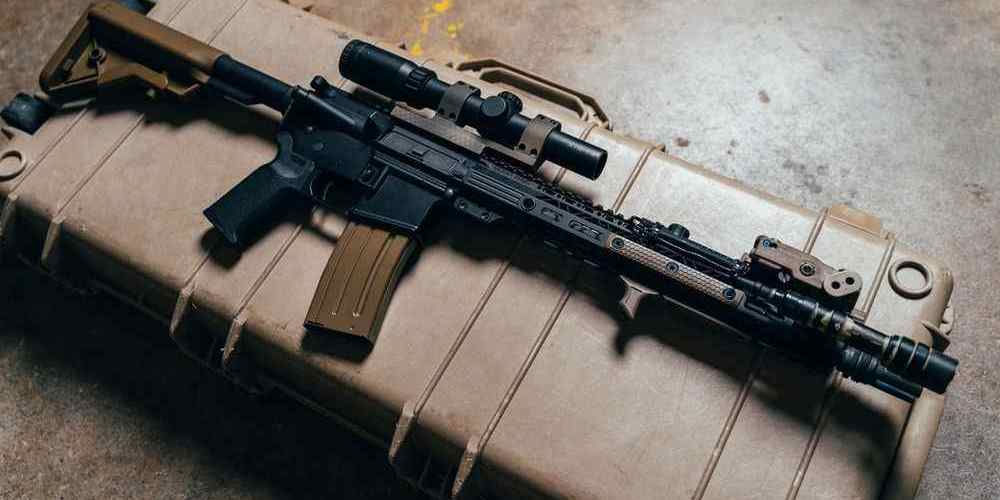
At armsparts.com, the guiding principle should always be responsible ownership: upgrade with intention, install correctly, test thoroughly, and keep the firearm matched to its role. Whether you’re building a hunting rifle, refining a home-defense handgun, or tuning a range gun, the smartest modification is the one that makes safe handling easier every time the gun is picked up. In the long run, that is the upgrade path that delivers the biggest safety jump.