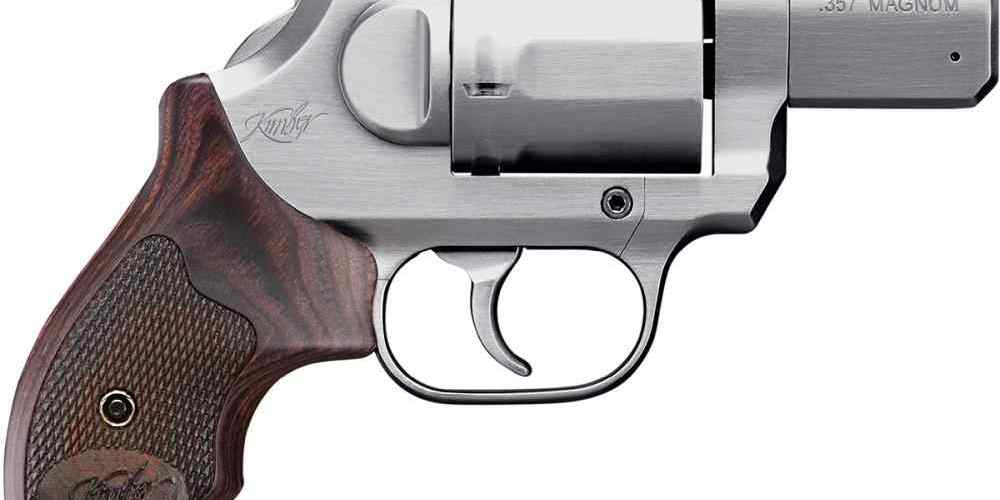
If you have ever picked up the same firearm and noticed that it suddenly feels lighter, heavier, steadier, or even more “alive” in your hands, the grip style is a big part of the reason. Grip is not just about comfort; it changes how your hand connects to the frame, how recoil is managed, how quickly sights return, and how naturally you can point and control the gun. For hunters, self-defense users, and enthusiasts alike, understanding grip style is one of the simplest ways to improve confidence and consistency.
How Grip Style Changes Firearm Feel and Control
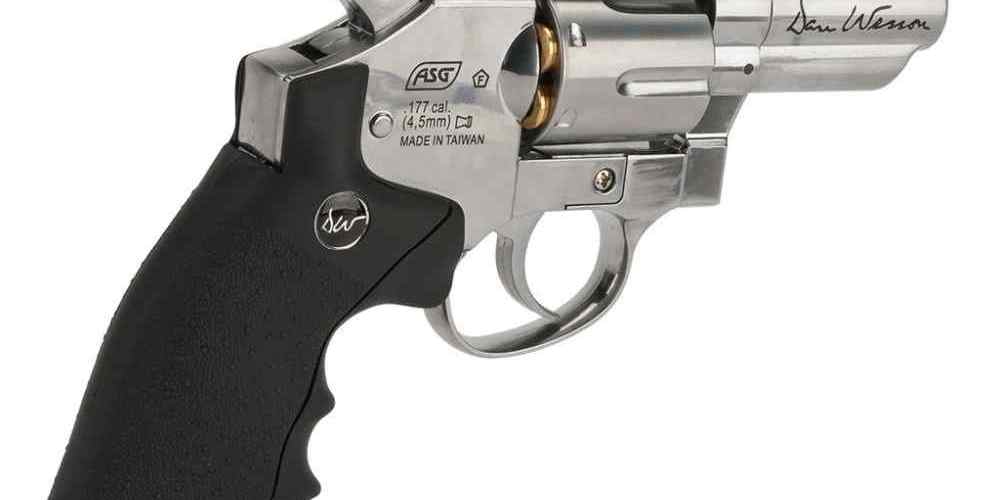
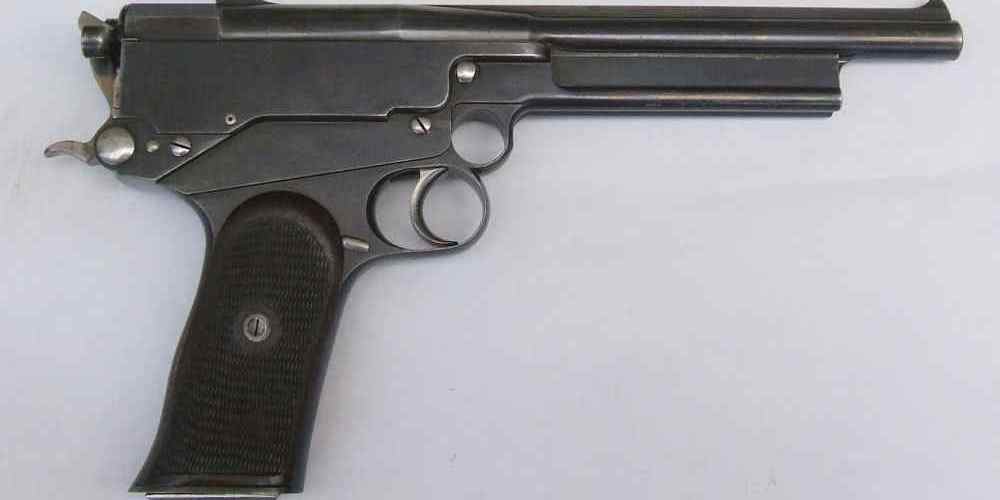
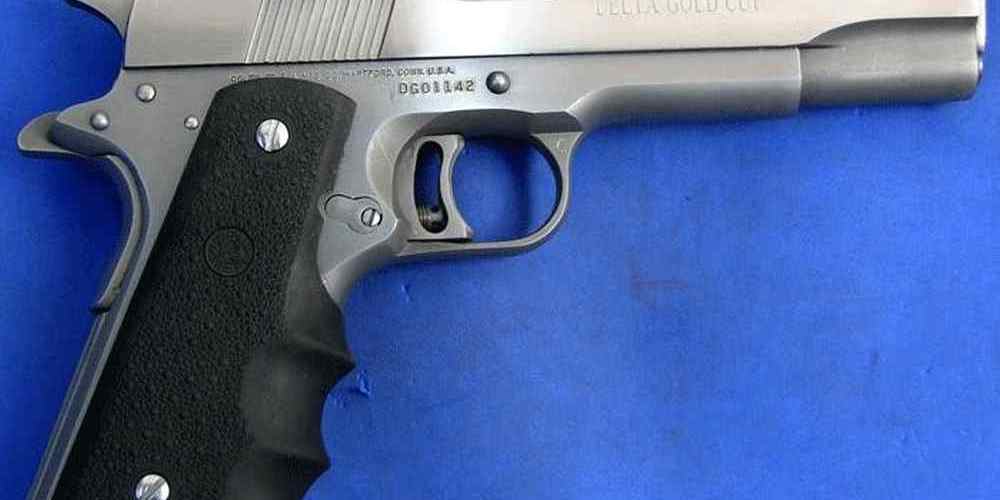
A firearm’s grip style affects the way force moves between your hands and the gun. A more vertical grip, for example, often encourages a straighter wrist position and can help some shooters manage recoil more efficiently, especially on modern defensive pistols. A more angled grip may feel natural on classic handguns or revolvers, but can change how your wrist locks and how the muzzle rises during firing. These differences are not imagined—they are rooted in hand anatomy, leverage, and the geometry of the frame.
Grip texture, thickness, and surface contour matter just as much as angle. A slim grip can make it easier for smaller hands to reach the trigger and maintain a secure hold, while a thicker grip may fill the palm better and improve steadiness for larger hands. Textured panels, stippling, rubber overmolds, and finger grooves each change friction and pressure distribution. In practical terms, this means the firearm may feel more secure, less slippery, or more tiring depending on how the grip transfers recoil impulses into your hand.
Control also changes because grip style influences trigger reach, muzzle flip, and follow-up shot recovery. If the grip forces your finger to stretch too far or sit too deep on the trigger, your accuracy can suffer. If the grip lets you apply balanced pressure front to back and side to side, the gun usually tracks more predictably. This is why experienced shooters pay attention not only to how a firearm looks, but to how it behaves under recoil, during dry practice, and over long sessions at the range. A well-matched grip improves safety by helping you keep the gun pointed and controlled with less effort.
Finding the Grip That Fits Your Hand and Purpose
Choosing the right grip starts with understanding your hand size, strength, and intended use. A concealed carry pistol may benefit from a slimmer grip that allows a secure hold without printing under clothing, while a hunting handgun or competition setup may prioritize stability and recoil management over concealment. For rifles and shotguns, grip shape can influence how naturally you mount the firearm, how easily you manipulate controls, and how well you maintain a firm shooting position during long strings or field use. The “best” grip is often the one that balances comfort, control, and mission.
It helps to test grip styles with unloaded firearms in a safe environment before making a decision. Check whether you can reach the trigger without twisting your hand, whether the web of your hand sits high and stable on the backstrap, and whether your support hand has room to lock in without crowding controls. If your firearm accepts interchangeable backstraps or grip panels, use them to fine-tune the fit. Many modern firearms offer modular options for a reason: a grip that works for one shooter may feel awkward or even unsafe for another.
Remember that fit and function should always come before fashion or habit. A grip that looks aggressive but causes strain, poor trigger reach, or inconsistent control is not the right choice, no matter how popular it is. If possible, test different grip styles under supervision at a reputable range or during a training class, and follow all local laws and safety rules. The goal is not to make the firearm feel “tactical,” but to make it feel predictable, secure, and manageable so you can handle it responsibly and accurately.
Grip style changes firearm feel because it changes the relationship between your hand, the frame, and recoil. By paying attention to grip angle, thickness, texture, and fit, you can improve comfort, control, and confidence with everything from defensive handguns to hunting rifles. The right grip is not just about preference—it is about making the firearm safer and more effective in real-world use.