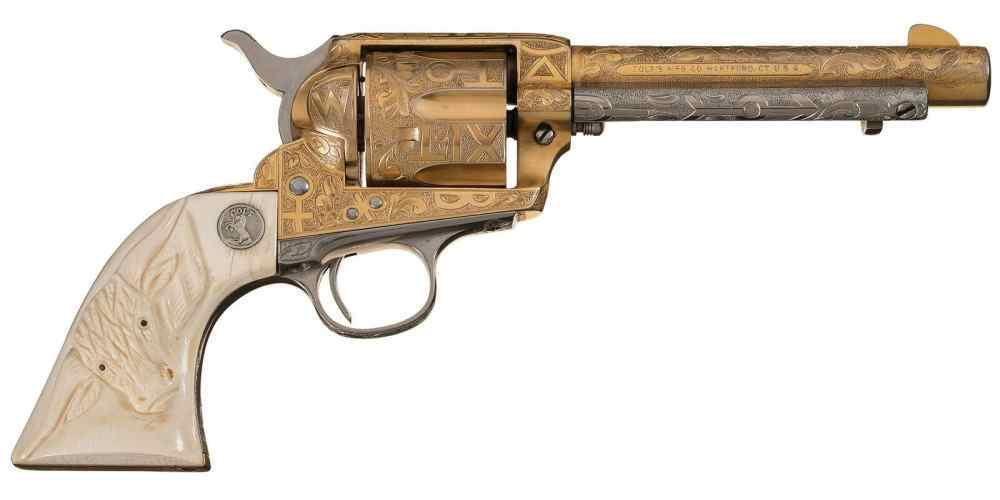
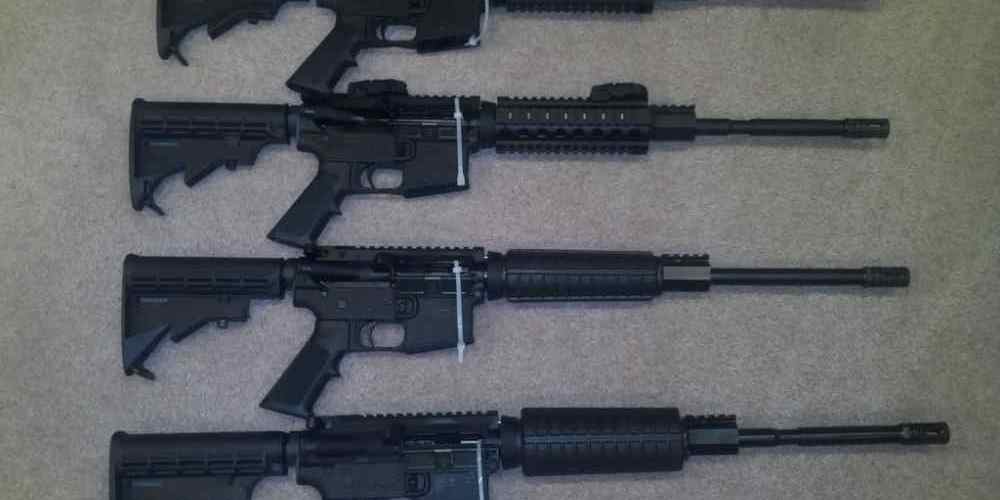
Firearm collections can be deeply rewarding, both as a reflection of personal interests and as a practical extension of responsible ownership. But while some firearms do appreciate over time, many collections slowly lose value for reasons that are easy to overlook. Condition, changing demand, maintenance habits, legal shifts, and market trends all play a role. For owners who care about preserving both function and value, understanding these forces is just as important as safe handling and secure storage.
Why Firearm Collections Often Lose Value Fast
A firearm’s value is often tied first to condition, and collections can deteriorate faster than many owners realize. Even minor issues like surface rust, worn finishes, damaged stocks, or improperly stored magazines can reduce desirability significantly. Collectors and buyers often pay premiums for originality, so replacing parts with mismatched components, using harsh cleaning methods, or storing guns in humid environments can quietly erode value over time. For older or historically significant pieces, even seemingly small alterations can have an outsized impact.
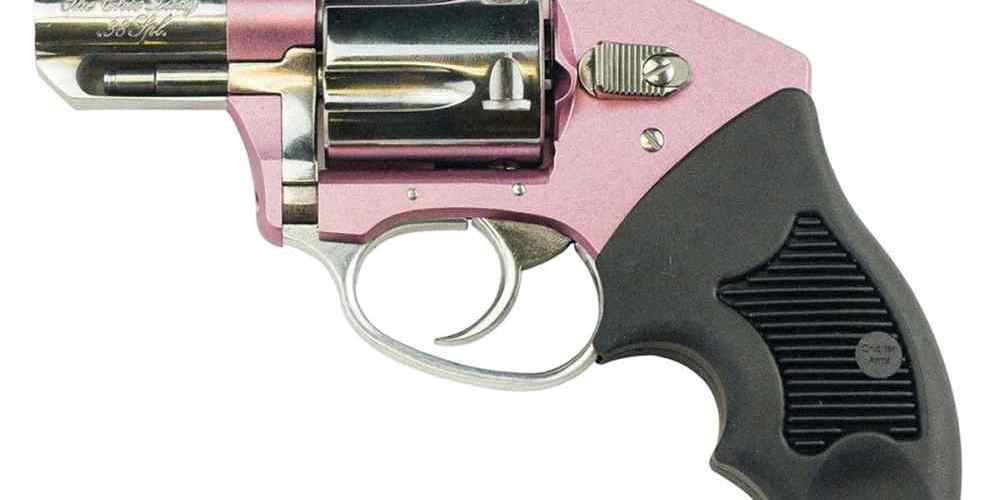
Another common reason collections lose value is overpaying at the beginning. Many buyers assume that a “collectible” label automatically means long-term appreciation, but not every limited-edition firearm becomes scarce enough to rise in value. If a model was produced in large numbers, or if the market was temporarily overheated, the purchase price may already be above the long-term resale range. This is especially true for modern production firearms marketed with commemorative packaging, special coatings, or cosmetic variations that do not materially increase rarity.
Responsible ownership helps preserve value, but it also means recognizing that utility and collectibility are not always the same thing. A dependable hunting rifle or defensive handgun may be excellent for real-world use while still being a poor investment vehicle. Owners who want to protect value should keep original documentation, avoid unnecessary modifications, use proper rust prevention, and follow safe storage practices. A clean, documented, legally compliant firearm in original condition almost always holds up better than one that has been altered without a clear purpose.
Market Shifts That Quietly Shrink Value
Firearm markets are highly sensitive to trends, and those trends can shift with surprising speed. Popularity can rise after exposure in movies, competitive shooting, or online discussions, but that attention often fades. When demand normalizes, prices can fall back just as quickly. What seemed like a “must-have” rifle or pistol during a surge may become ordinary once supply catches up, leaving collectors with assets that no longer command the premium they once did.
Legal and regulatory changes can also alter value, sometimes overnight. Restrictions on magazine capacity, features, importation, or certain configurations may create temporary scarcity, but they can also reduce the number of eligible buyers. In some cases, a firearm that is perfectly lawful in one state may be far less marketable in another. For that reason, value is not just about the gun itself; it is also about where and how it can legally be transferred, possessed, and used. Staying informed about local, state, and federal law is part of both safe ownership and smart collection management.
Finally, not all firearm value is permanent because the market rewards usefulness as much as nostalgia. Newer models often bring improved ergonomics, better optics compatibility, modular furniture, or enhanced reliability features. As technology advances, older designs may still be respected, but they can lose practical appeal for many buyers. This does not mean classic firearms have no place in a collection—far from it. It means owners should treat firearm value as a combination of rarity, condition, provenance, and market demand, not as a guarantee. Those who document their collection, maintain it carefully, and buy with discipline are far better positioned to preserve value over time.
Most firearm collections lose value not because the firearms are inherently poor, but because value depends on preservation, demand, and legality as much as on the object itself. Poor storage, unnecessary modifications, changing trends, and shifting regulations can all quietly reduce what a collection is worth. For responsible owners, the best defense is simple: maintain firearms properly, store them safely, keep records, and stay informed about the market and the law. A well-cared-for collection may never lose its personal meaning—and in many cases, it will hold its value far better than those built on impulse alone.