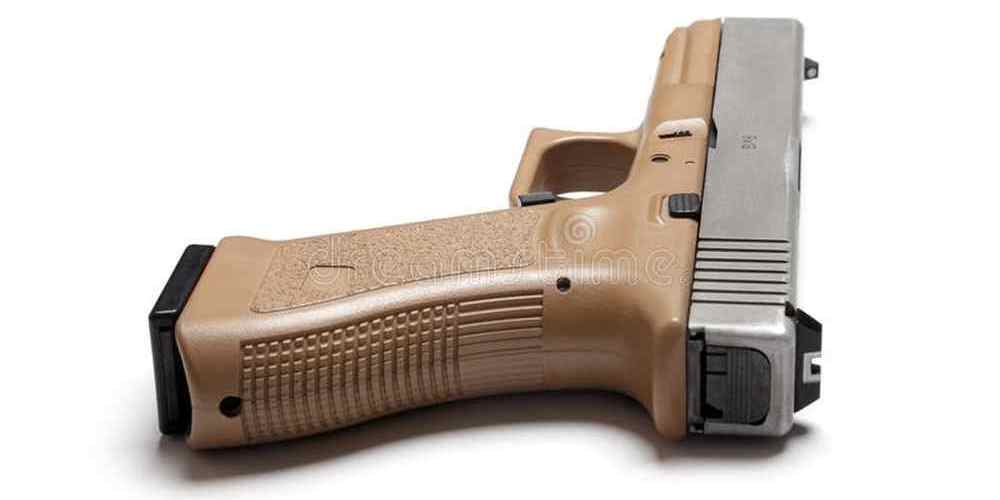
If your handgun safety feels mushy, vague, or inconsistent, it is usually a sign that something in the control system is worn, dirty, out of adjustment, or simply designed with a lighter feel than you expected. For responsible gun owners, that soft or imprecise sensation is worth paying attention to, because the safety lever is one of the key interfaces between the shooter and the firearm’s operating system. Understanding why it feels that way can help you maintain your handgun properly, recognize when service is needed, and keep your training focused on safe, reliable handling.
Why a Handgun Safety Feels Mushy in the Hand
A handgun safety can feel mushy for a few common reasons, and the first is simple wear. Over time, the detent, spring, or engaging surfaces inside the safety mechanism can lose tension, making the lever feel less crisp when it moves between positions. In some designs, especially older pistols or heavily used carry guns, the tactile “click” that once gave clear feedback may soften as parts polish themselves through use. That does not automatically mean the firearm is unsafe, but it does mean the safety’s feel is no longer giving the shooter the same level of mechanical confidence.
Design also matters. Not every safety is meant to feel hard and authoritative. Some modern handguns use low-profile safeties, ambidextrous levers, or internal blocks that prioritize snag-free carry and smooth operation over a dramatic tactile snap. Historical thumb safeties, like those on classic 1911-style pistols, often had a very positive engagement feel because the system relied on strong detents and visible, deliberate operation. By contrast, many contemporary defensive handguns incorporate different safety systems—manual, trigger, grip, or internal—so the user may perceive the control as “soft” even when it is functioning correctly.
Finally, grime, lack of lubrication, or incorrect aftermarket parts can make the safety feel spongy or imprecise. Carbon buildup, dried lubricant, or pocket lint from concealed carry can interfere with the detent or pivot points, especially on a handgun that is carried often but not cleaned regularly. Aftermarket levers, upgraded springs, or poorly fitted parts can also change the feel in unpredictable ways. If the safety no longer gives a distinct, repeatable engagement, that is a cue to inspect the firearm carefully and confirm that it is both mechanically sound and appropriate for your intended use.
Fixing a Loose Safety: Causes and Solutions
The first step in addressing a loose or mushy safety is to determine whether the issue is cosmetic, maintenance-related, or mechanical. Start with a safe, unloaded firearm and verify its condition according to the manufacturer’s instructions. Then check for obvious problems: visible wear on the safety lever, looseness in the pivot, weak engagement, or a detent that seems too shallow. In many cases, a thorough cleaning and proper lubrication around the safety mechanism can restore a more positive feel, especially if the gun has been exposed to dust, lint, or old oil.
If cleaning does not help, the next likely culprit is a worn spring, detent, or plunger assembly. These small parts are what create the tactile resistance and “click” that shooters rely on for feedback. Replacing them with quality OEM components often makes a noticeable difference, and for many handguns that is the safest and most reliable solution. Be cautious with unproven aftermarket parts: while some are excellent, others can alter the geometry of the safety or reduce engagement strength. If you are not comfortable diagnosing the part yourself, a qualified gunsmith can inspect the mechanism and confirm whether the firearm needs minor service or a full parts replacement.
It is also important to remember that a safety lever should not be judged by feel alone. A handgun can feel slightly loose yet still function correctly, while a safety that feels firm may still be improperly fitted or damaged. After any repair or part replacement, function-check the firearm in a safe, unloaded condition and follow the manufacturer’s guidance closely. For defensive carry guns, many experienced shooters also train with the exact setup they intend to use, because consistent manual of arms matters more than a perfect-feeling lever. Reliable, lawful, and safe operation should always come before a satisfying “click.”
A mushy handgun safety is not something to ignore, but it is also not a reason to panic. In many cases, the solution is straightforward: clean the firearm, inspect the mechanism, replace worn small parts, or have a competent gunsmith evaluate the control. What matters most is that the safety performs its job consistently and gives you confidence in the field, on the range, or during everyday carry. Responsible ownership means paying attention to the small details, because those details are often what separate routine maintenance from a real mechanical issue.