A handgun’s reliability often comes down to small parts doing their jobs consistently, and the slide stop is one of those components that rarely gets much attention until it causes a problem. For many shooters, a well-chosen slide stop upgrade can improve lockback consistency, reduce premature slide hold-open issues, and help the pistol run more smoothly over time. While it is not a cure-all for every malfunction, it can be a smart, practical upgrade for owners who value dependable performance in the range, field, or defensive setting.
Why a Better Slide Stop Boosts Reliability
The slide stop serves a simple but critical role: it locks the slide open after the last round and, in some designs, works in close coordination with the magazine and follower to signal an empty gun. When this part is poorly fitted, out of spec, or worn, it can create frustrating issues such as premature slide lock, failure to lock back, or inconsistent engagement. In a defensive handgun, that kind of inconsistency matters because reliability is built on predictable mechanical function.
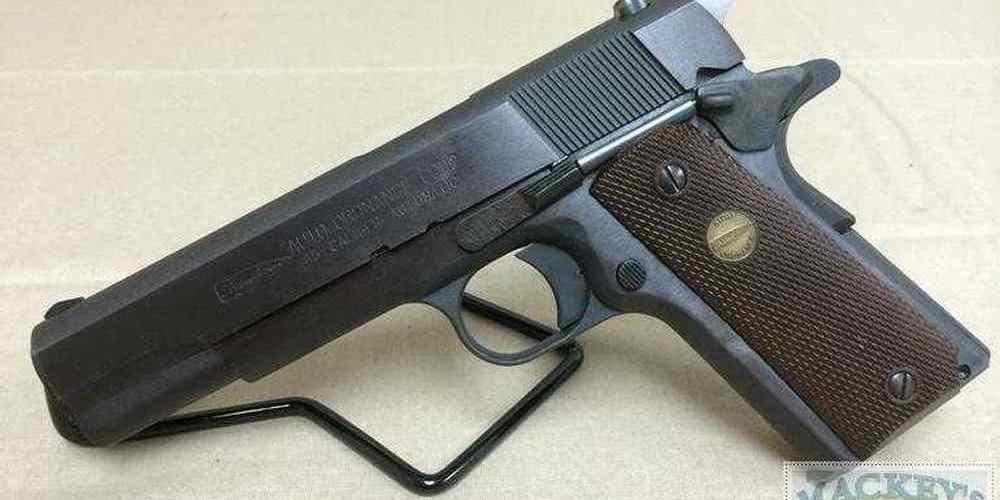
A quality slide stop upgrade can help by improving surface geometry, fit, and durability. Many factory parts are designed to meet broad production requirements, but upgraded components are often machined or finished with tighter tolerances and better materials. That can translate into more positive engagement with the slide notch and cleaner interaction with the magazine follower, especially in pistols that have seen heavy use or are sensitive to parts variation. For classic platforms like the 1911 and modern striker-fired pistols alike, a properly matched slide stop can make a noticeable difference.
It is worth noting that the slide stop is only one part of a system. Magazine condition, ammunition profile, recoil spring strength, and frame or slide wear all influence reliability too. Still, if a handgun is showing repeated lockback issues and the rest of the system checks out, the slide stop is a logical place to start. For responsible owners, that means diagnosing carefully, replacing parts with purpose, and verifying function through safe testing rather than assuming a single upgrade will solve every problem.
How to Choose the Right Upgrade for Your Pistol
Start by selecting a slide stop that is designed for your exact firearm model and, when applicable, your specific generation or frame variant. Even small dimensional differences can affect how the part rides in the frame, interacts with the slide, or engages the magazine follower. A reputable manufacturer will usually provide clear compatibility information, which is especially important for popular platforms with many aftermarket options. When in doubt, choose a part from a trusted maker with a strong track record rather than chasing the lowest price.
Material and finish matter more than many buyers realize. Hardened steel parts generally offer better wear resistance than softer cast or poorly finished alternatives, while coatings such as nitride or other protective finishes can help resist corrosion and extend service life. Pay attention to the design of the thumb tab as well, since some extended slide stops are easier to manipulate during administrative handling, while others are deliberately low-profile to reduce the chance of accidental contact. The best choice depends on how the pistol is used and how the shooter trains.
Installation and function testing should always be done carefully and legally, ideally by a qualified gunsmith if you are unsure about your ability to fit the part correctly. After installation, check for smooth movement, proper lockback on an empty magazine, and absence of unintended slide engagement during recoil. Then test with the magazines and ammunition you actually plan to use, since reliability can vary across different loads. Responsible firearm ownership means not only buying better parts, but also confirming that those parts work safely and predictably in the real world.
A slide stop upgrade may be a small change, but in a handgun system, small changes can have a big impact on reliability and confidence. When chosen carefully and paired with proper maintenance, it can help reduce common lockback problems and support smoother operation without sacrificing safety. For shooters who depend on their pistols for defense, competition, or everyday range use, that kind of improvement is well worth the attention.
The key is to treat the upgrade as part of a broader reliability strategy: inspect the gun, verify magazine health, choose quality components, and test thoroughly under safe conditions. A well-made slide stop will not replace good training or regular maintenance, but it can be an effective step toward a more dependable firearm. For responsible gun owners, that balance of performance, safety, and practical judgment is what matters most.