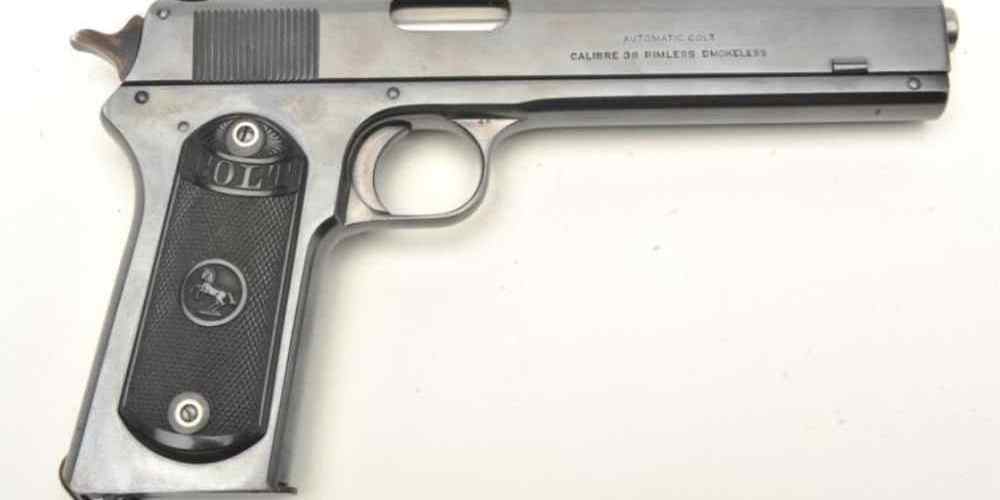
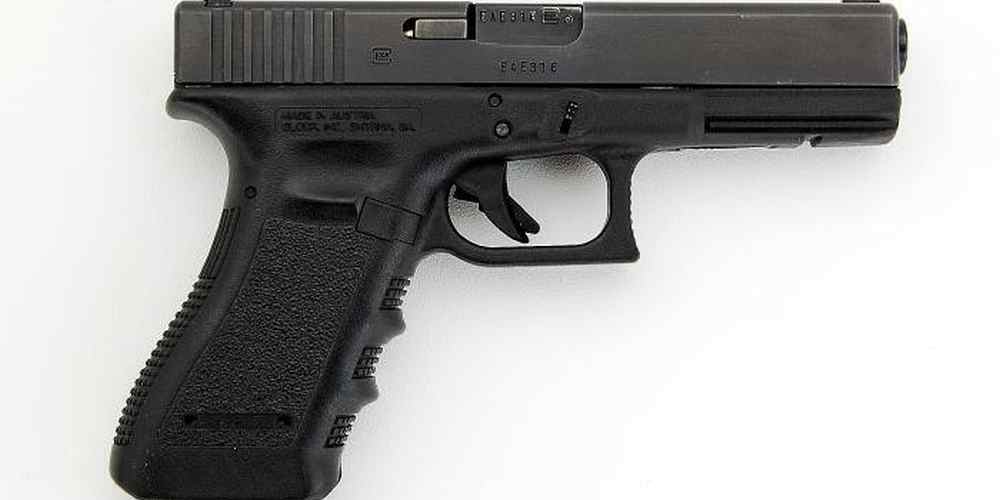
A recoil spring weight chart looks simple at first glance, but that simplicity is exactly why so many shooters misread it. Whether you shoot a 1911, a Glock, an AR-style pistol, or another semi-automatic firearm, the recoil spring plays a critical role in cycling, reliability, and felt recoil. Understanding what the chart actually means can help you choose the right spring for your setup without chasing myths or making changes that create more problems than they solve.
Why Most People Misread Recoil Spring Charts
A common mistake is assuming that a higher spring weight is automatically “better” because it sounds like it should tame recoil more effectively. In reality, recoil spring weight is only one part of a much larger system that includes ammunition power, slide mass, barrel length, frame design, magazine condition, and even the cleanliness and lubrication of the firearm. A chart that lists spring weights is usually a reference point, not a universal command.
Another source of confusion is that many shooters treat the chart as if it were a performance upgrade table. They see a heavier spring and expect softer recoil, faster follow-up shots, or less wear on the gun. But if the spring is too heavy for the load, the slide may not cycle fully, causing failures to eject, failures to feed, or inconsistent lockback. If it is too light, the slide can batter the frame, increase wear, and sometimes make the gun feel harsher rather than softer.
Historical context matters here too. Recoil spring charts were developed around specific factory configurations and standard pressure ammunition, often based on long-standing testing in duty or service pistols. Over time, as shooters began using compact pistols, suppressed setups, +P ammunition, and custom builds, many assumed the same chart applied unchanged. It usually does not. Responsible gun owners should treat these charts as starting references, then confirm reliability through safe, controlled testing with their actual firearm and ammunition.
How to Read the Chart the Right Way
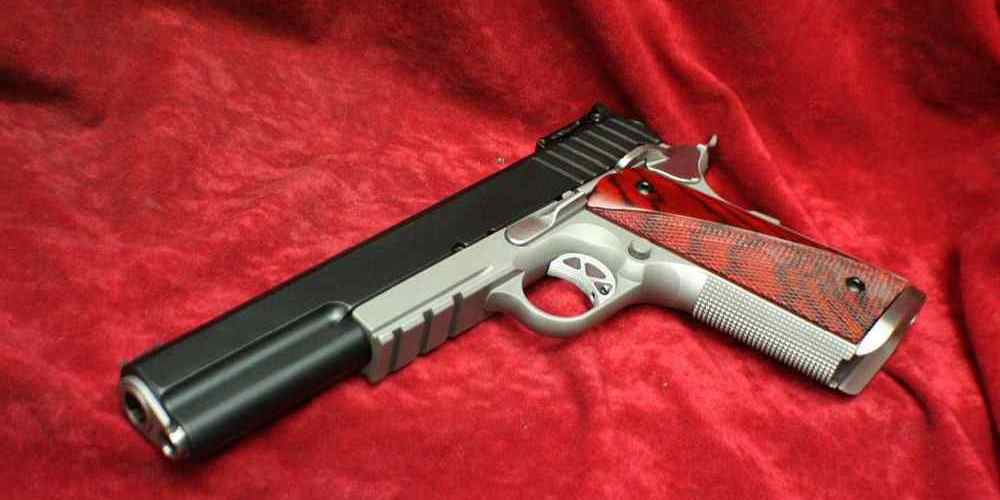
Start by identifying what the chart is based on. Some recoil spring charts are meant for a particular model, such as a 1911, while others are general recommendations for a family of firearms. Pay attention to whether the chart refers to spring weight in pounds, whether it is for factory ammunition or reduced-power loads, and whether it assumes a full-size or compact slide. Those details can matter more than the number itself.
The right way to use the chart is to match it to your firearm’s real-world setup. If you shoot standard factory ammunition in a stock pistol, begin with the manufacturer’s recommended spring weight and test reliability with your carry or hunting load. If you’ve changed barrel length, added a suppressor, or switched to lighter target loads, you may need a different spring, but the change should be evaluated methodically. Make one change at a time so you can clearly identify what affected performance.
Above all, use the chart as a diagnostic tool, not a shortcut. If the gun is malfunctioning, do not assume the spring is the only issue. Magazine condition, extractor tension, slide velocity, and ammunition quality all deserve attention. For safe and responsible firearm ownership, the goal is not to “tune” a gun until it feels impressive; it is to make sure it runs reliably, consistently, and safely in the conditions you actually use it. When in doubt, consult the firearm manufacturer, a qualified gunsmith, or a reputable parts source before making changes.
Recoil spring charts are useful, but only when read with the full picture in mind. The number on the chart does not exist in isolation, and the best spring is not always the heaviest or the lightest—it is the one that works reliably with your specific firearm and ammunition. By approaching the chart carefully and testing changes responsibly, you can improve reliability without creating avoidable malfunctions.
For gun owners, hunters, self-defense practitioners, and enthusiasts alike, the safest path is knowledge, patience, and respect for the mechanical system you are working with. Use manufacturer guidance, confirm fit and function, and never overlook basic safety practices during inspection or testing. A recoil spring may be a small part, but understanding it correctly can make a meaningful difference in how your firearm performs.