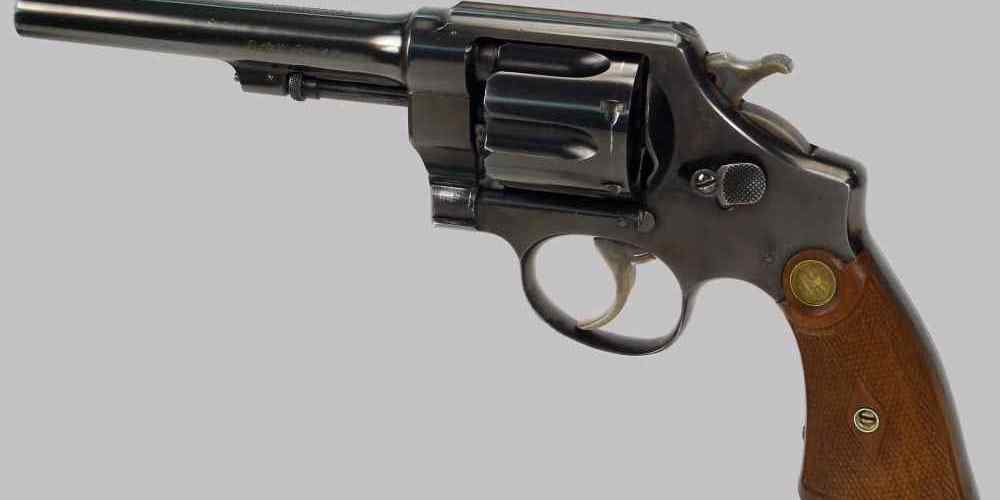
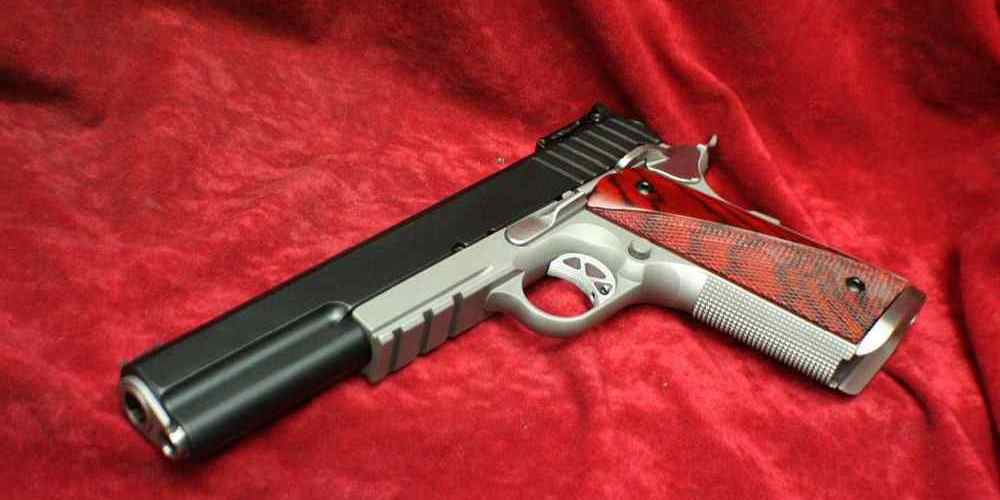
A fast, clear handgun sight picture starts with a simple truth: the sights must be easy for your eyes to pick up under real-world conditions. One of the most effective ways to improve that is by paying attention to sight height, especially the relationship between the front and rear sight and how that setup presents itself the moment the pistol comes up on target. For many shooters, a small change in sight height or sight profile can make the difference between hunting for the front blade and seeing it naturally, almost instantly.
That does not mean chasing gimmicks or making unsafe modifications. It means understanding how your handgun indexes, how your eye tracks the front sight, and how the sight system works with your grip, stance, and vision. Whether you carry for self-defense, shoot recreationally, or use a pistol for duty or competition, the right sight height can speed up target acquisition while preserving the accuracy and control every responsible gun owner should demand.
Sight Height Basics for a Faster Sight Picture
Sight height is more than a number on a spec sheet. It determines where the sights sit in relation to the bore, how much of the front blade your eye sees, and how quickly your brain can align the front and rear under stress. In practical terms, a taller front sight or a deeper rear notch can make the front sight easier to isolate, while a low-profile setup may feel sleek but can be harder to pick up quickly, especially in dim light or against cluttered backgrounds.
For most shooters, the goal is not the tallest sight possible, but the most readable sight picture. The classic three-dot arrangement, fiber-optic inserts, blacked-out rear sights, and high-contrast front sights all exist because the human eye naturally locks onto contrast and shape. Historically, handgun sights evolved from simple fixed blades to more refined systems as shooters demanded faster target transitions and better performance beyond close range. That evolution reflects a basic truth: if you can see the front sight clearly, you can shoot more confidently and consistently.
The “sight height trick” many shooters discover is that a slightly more prominent front sight often appears faster than a low, flat one. A raised or more visible front blade gives your eyes a bigger reference point during presentation, which can shorten the time spent searching for alignment. That said, changing sight height affects point of impact, so any adjustment should be tested carefully at the range. Responsible gun ownership means verifying zero, not assuming a faster sight picture automatically equals better accuracy.
How to Tune Handgun Sights for Clearer Aiming
Tuning handgun sights begins with honest observation. If your front sight disappears against dark clothing, trees, shadowed indoor ranges, or low light, the issue may be contrast more than alignment. Many shooters improve their sight picture by choosing a bright front sight, a plain rear sight, or a combination that reduces visual clutter. Fiber-optic fronts, tritium inserts, or high-visibility paint can all help, but the best choice depends on your lighting conditions and intended use.
Sight height tuning also includes matching the sight setup to your shooting style and firearm purpose. A carry pistol may benefit from a durable, snag-resistant profile that still offers enough visibility for fast presentation, while a range or competition gun can use more aggressive, eye-catching sights. On some handguns, adjusting front sight height or swapping rear sight profiles changes how the pistol “settles” in the eye line, improving the speed of the first accurate shot. The key is to make one change at a time and confirm the result with live-fire testing.
Whenever you modify sights, keep safety and legality front and center. Use proper tools, follow manufacturer guidance, and ensure the firearm remains reliable and within specification. After any sight change, check zero at appropriate distances, confirm that the sight picture is repeatable from your normal shooting positions, and practice deliberate presentations with an unloaded firearm in a safe environment. A clearer sight picture is valuable only when paired with disciplined handling, safe storage, and regular practice.
A good sight picture is built on clarity, consistency, and confidence. Sometimes the fastest improvement comes from something as practical as tuning sight height or choosing a sight profile your eyes can find immediately. That small adjustment can reduce hesitation, sharpen your index, and make your handgun feel more natural the moment it comes on target.
Still, no sight system replaces fundamentals. Grip, trigger control, target focus, and safe gun handling remain the foundation of accurate shooting. The best approach is to treat sight height as one useful tool in a broader commitment to responsible, informed firearm ownership.
For shooters who want faster acquisition without sacrificing precision, the right sight setup can be a meaningful upgrade. Test carefully, train regularly, and choose equipment that supports both performance and safety. In the end, the best handgun sight picture is the one you can see clearly, trust completely, and use responsibly.