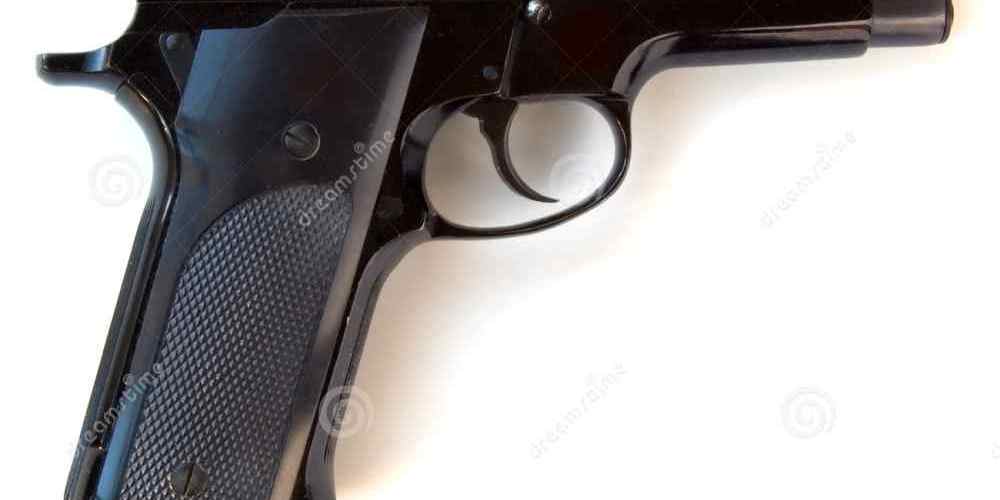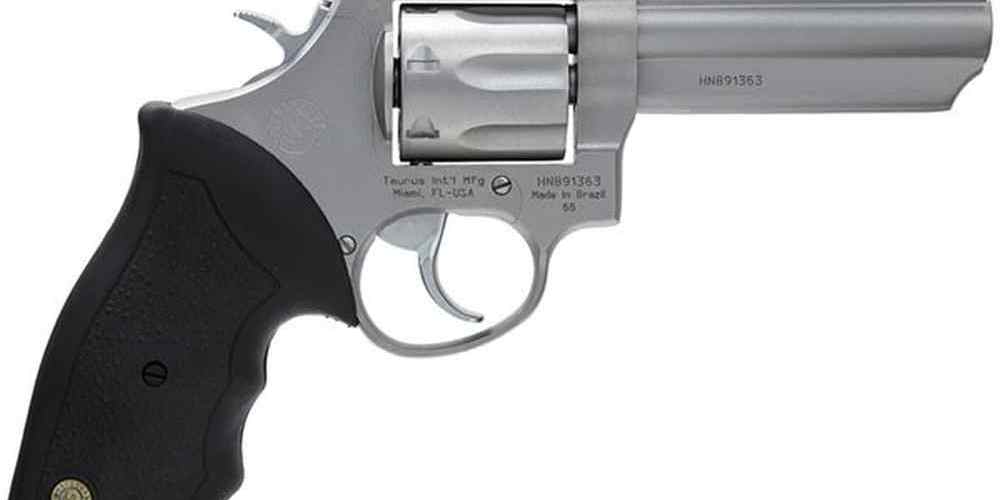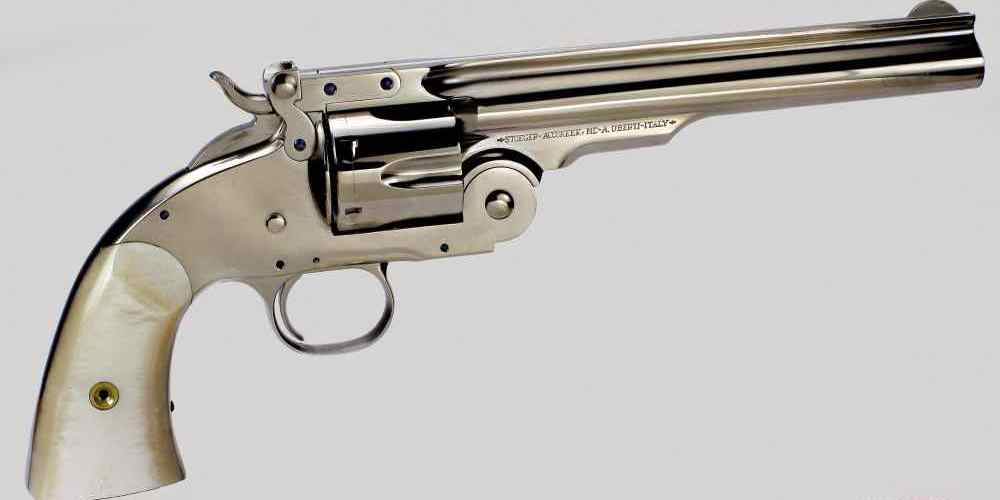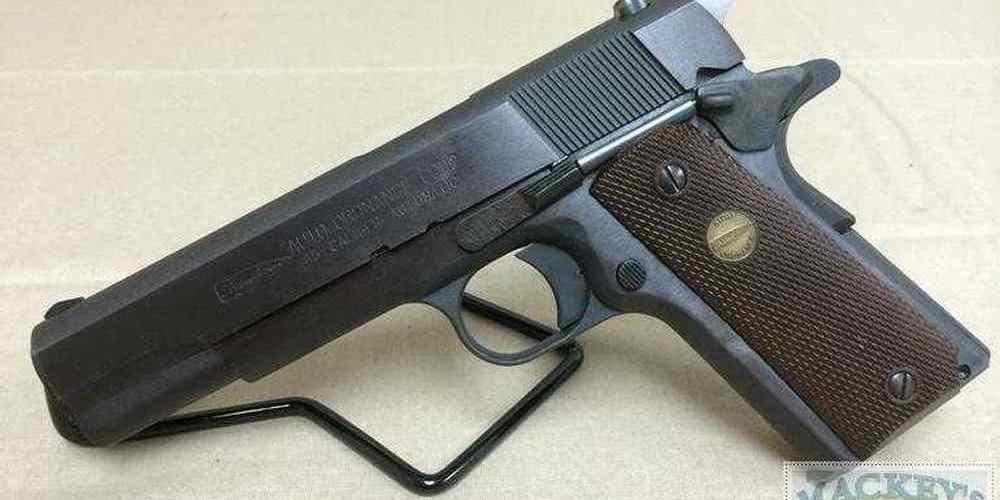
For many handgun owners, the safety lever is a reassuring feature—until a habit forms around it that quietly works against safe, repeatable handling. The problem is not the lever itself, but the unconscious routine of sweeping, checking, or riding it in ways that do not match the pistol’s design, the shooter’s training, or the conditions of use. Over time, those small errors can become muscle memory, and muscle memory is exactly what shows up under stress. For responsible gun owners, hunters, and defensive shooters, understanding this risk is an important part of handling any handgun with consistency and care.===
Why Safety Lever Habits Can Reinforce Errors
A handgun safety lever is only helpful when the shooter knows exactly what it does, how it works, and whether the pistol is intended to be carried with the safety engaged. On some models, the lever is part of a manual thumb safety; on others, it may be a decocker, slide stop, or combined control with a very different function. The danger begins when a shooter develops one universal habit—such as automatically swiping a lever down on every draw—without recognizing that not every handgun uses the same manual of arms. That repetition can build false confidence and encourage careless assumptions about a pistol’s readiness.
This matters because stress tends to magnify habit. Under pressure, people do not rise to the level of their intentions; they fall to the level of their training. If a shooter has repeatedly practiced manipulating a safety lever that should not be touched, or has trained with a pistol in a condition that differs from how it is actually carried, the hands may default to the wrong action at the wrong moment. That can cause hesitation, an unintended trigger press, or a failure to fire when the shot is needed most. In defensive use, that split-second confusion can be costly.
Historical context also helps explain why these habits persist. Traditional single-action pistols, service pistols with manual safeties, and modern striker-fired handguns each evolved with different safety systems and different best practices. A technique that made sense on one platform may be unnecessary—or even counterproductive—on another. Responsible owners should study the specific firearm in their hands, read the manufacturer’s manual, and treat the safety lever as a design-specific control rather than a universal ritual. Good training means matching behavior to the pistol, not forcing every handgun into the same pattern.
Building Safer Muscle Memory With Every Draw
Safer muscle memory starts with consistency. If a handgun is meant to be carried with a manual safety engaged, then every dry practice session, presentation drill, and range repetition should reinforce the exact same sequence: grip, draw, orient, disengage the safety as the sights come on target, and fire only when lawful and justified. If the pistol does not have a manual safety, then the draw stroke should never include a phantom lever sweep. The goal is not speed for its own sake; it is smooth, reliable repetition that reflects the actual firearm in use.
Dry-fire practice is one of the best tools for building correct habits, provided it is done safely and intentionally. Before any practice, the firearm should be unloaded, ammunition removed from the room, and the shooter should verify the gun’s condition again and again until it is unquestionable. From there, the owner can practice the draw, presentation, sight acquisition, and trigger press while paying close attention to whether the safety lever is being handled correctly—or not at all. A few careful repetitions done correctly are more valuable than hundreds of sloppy ones, because every mistake rehearsed becomes a mistake more easily repeated.
Product choices can also support better habits. Holsters that fully protect the trigger guard, belts that stabilize the draw, and training pistols or inert replicas can all help reinforce safe mechanics. For shooters who rely on manual safeties, a holster and carry setup should allow the pistol to remain secure while still permitting a clean, deliberate presentation. At the range, start slowly and confirm every step before increasing tempo. Responsible gun ownership is built on deliberate practice, ongoing education, and respect for the fact that safe handling is not instinctive—it is trained.
The handgun safety lever is not dangerous by itself; what becomes dangerous is the habit built around it when that habit is careless, inconsistent, or copied from the wrong platform. Shooters who take the time to understand their firearm’s controls, practice the correct sequence, and avoid mindless repetition protect themselves and everyone around them. In the end, the best muscle memory is not the fastest motion—it is the one that is accurate, repeatable, and aligned with the realities of the firearm being carried.===