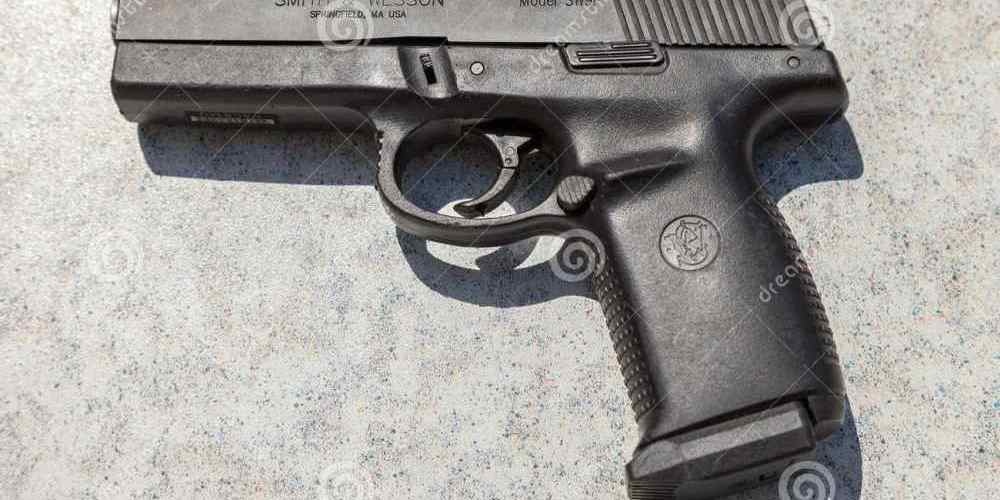
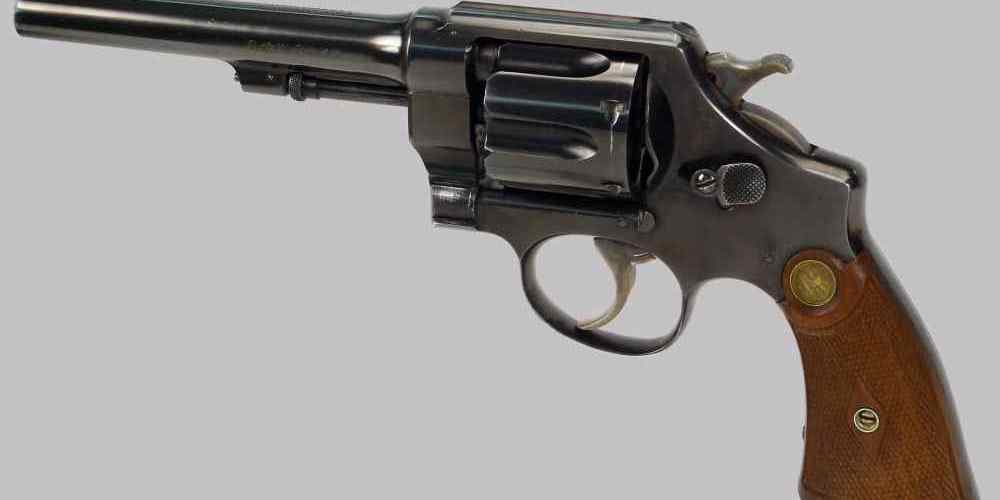
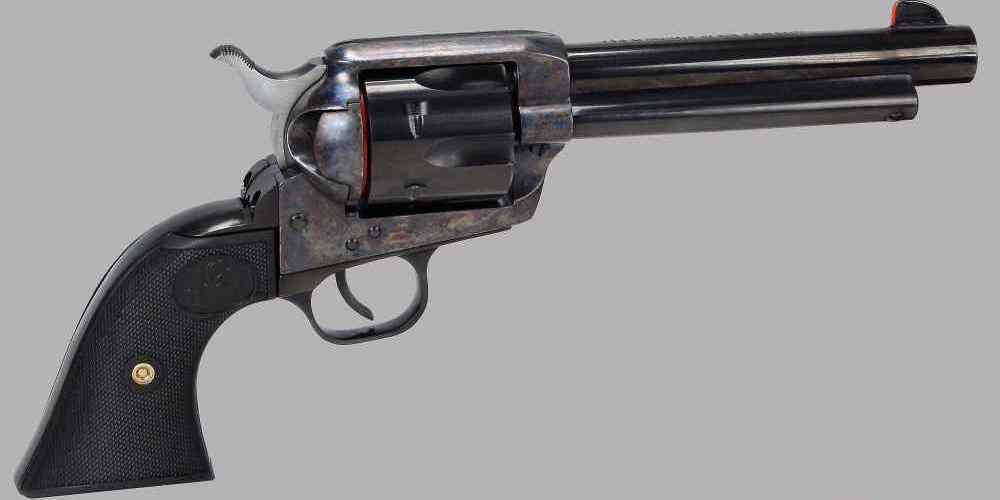
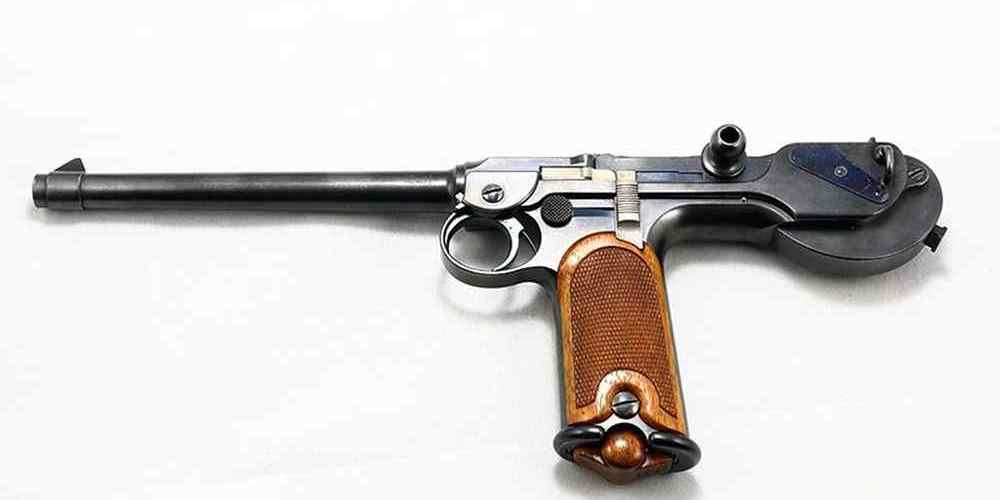
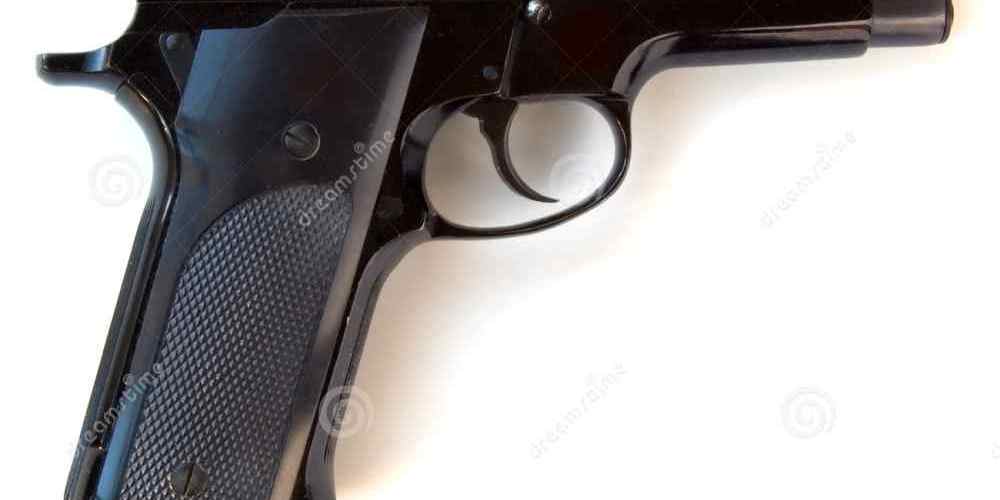
A handgun is only as dependable as its weakest moving part, and in many pistols, the extractor is one of the most important. When everything is working correctly, this small component grabs the spent case and pulls it cleanly from the chamber so the slide can cycle without interruption. When it starts to wear, lose tension, or chip at the hook, reliability can drop fast. For gun owners who value safe, consistent performance, an extractor upgrade is one of the smartest maintenance improvements you can make.
Why a Better Extractor Prevents Failures
A handgun extractor does more than simply “pull brass.” It has to maintain firm, consistent control over the case rim through the entire cycling process, even as the pistol recoils, strips the next round, and ejects the spent casing. If the extractor geometry is off, or if the spring tension is weak, the pistol may fail to extract, stovepipe, or produce erratic ejection. These problems are often blamed on ammunition alone, but in many cases the real issue is a tired or poorly fitted extractor.
Over time, extractor wear is normal, especially in pistols that see regular training use, high round counts, or exposure to dirt, carbon, and inconsistent maintenance. A quality upgraded extractor can restore the grip and timing needed for dependable extraction. In some designs, an improved extractor also offers better metallurgy, tighter tolerances, or a revised hook profile that is more forgiving under stress. For defensive carry guns, that can make a meaningful difference when reliability matters most.
Historically, extractor design has always been a key part of handgun evolution. From early service pistols to modern striker-fired platforms, manufacturers have continuously refined extraction systems to improve reliability with a wider range of ammunition and operating conditions. For the responsible owner, the lesson is simple: the extractor is not a minor part. It is a critical reliability component that deserves attention during routine inspections, just like recoil springs, magazines, and lubrication points.
Upgrading Handgun Reliability the Right Way
The best extractor upgrade is one that matches the firearm correctly and is installed with care. Not every aftermarket part is an improvement, and a poorly fitted extractor can create more problems than it solves. Before replacing anything, it helps to diagnose the pistol properly: check the chamber for fouling, inspect the ammunition, confirm magazine function, and look for obvious wear or damage on the extractor claw and spring system. A careful troubleshooting process avoids unnecessary parts swaps and helps identify the real cause of malfunctions.
When selecting an upgraded extractor, look for reputable manufacturers that publish clear compatibility information and use quality materials. A well-made part should be designed for your specific model, whether it is a 1911-pattern pistol, a Glock-style platform, or another modern handgun. For some shooters, a factory-spec replacement is the right answer; for others, a premium extractor with improved finish or tension characteristics may provide a noticeable reliability boost. The goal is not to chase hype, but to choose a part that supports smooth, predictable function under real-world conditions.
Installation and verification matter just as much as the part itself. If you are not comfortable fitting firearm components, a qualified gunsmith can ensure proper installation and function testing. After any extractor change, perform a safe function check with the firearm unloaded and follow the manufacturer’s guidance before live-fire testing. Then confirm reliable extraction with the ammunition you actually intend to use, because different bullet profiles, case dimensions, and loads can reveal issues that bench testing will not. Responsible ownership means not only upgrading wisely, but also validating performance before trusting the pistol for carry, hunting backup, or range use.
A quality extractor upgrade may be a small change, but in a handgun, small changes can have a big impact on reliability. By improving case control, reducing extraction-related stoppages, and restoring confidence in the pistol’s cycle, the right extractor can help stop failures cold. Just as important, it reinforces a disciplined approach to firearm care: inspect, diagnose, replace responsibly, and test thoroughly. For shooters who demand dependable performance, that is money and effort well spent.