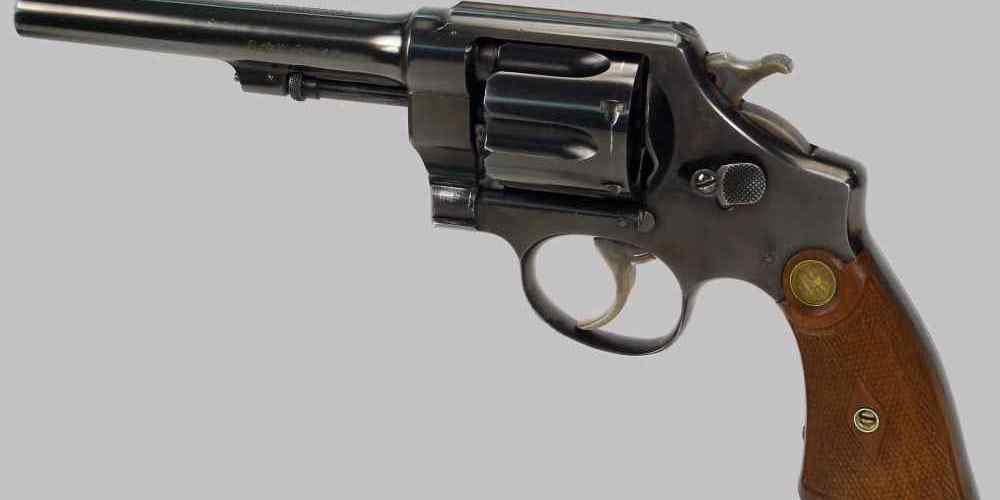
Negligent discharges are rarely the result of a “bad gun” or a mysterious mechanical failure. More often, they happen because someone skipped the most important safety habit of all: keeping the trigger untouched until the sights are on target and the decision to fire has been made. That single discipline sounds simple, but in real-world handling it is the line that separates careful gun ownership from preventable accidents. For handgun owners, hunters, concealed carriers, and range shooters alike, mastering that habit is the foundation of safe, responsible use.
The Safety Habit That Stops Negligent Discharges
The one handgun safety habit that most effectively prevents negligent discharges is keeping your finger indexed straight along the frame or slide until you are ready to fire. In practical terms, that means your trigger finger stays outside the trigger guard during loading, holstering, drawing, transferring, and moving the handgun—every moment except the exact instant you intend a shot. This is often called “trigger discipline,” and it is one of the core rules of firearm safety for a reason: most unintended shots begin with a finger entering the trigger guard too early.
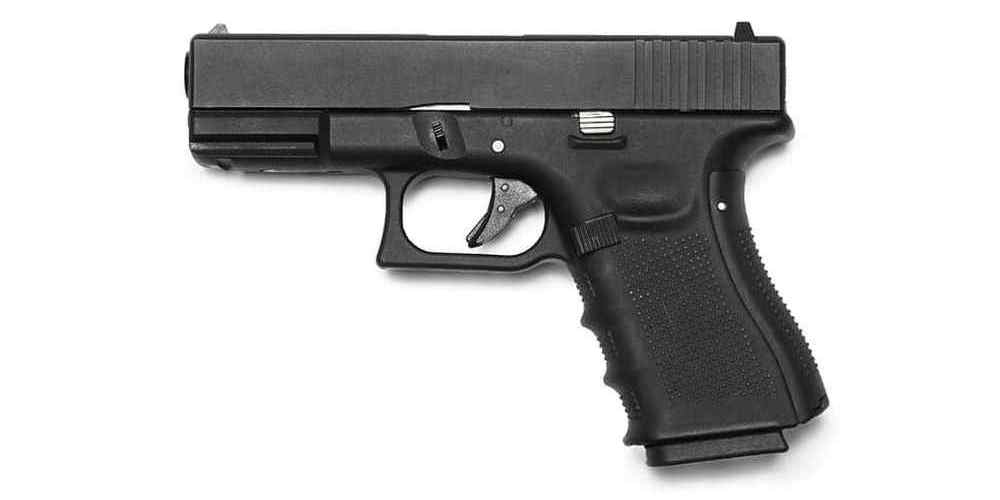
That habit matters because handguns are designed to fire with relatively little movement on the trigger compared with many other firearms. Modern striker-fired pistols, double-action revolvers, and single-action handguns each have different trigger characteristics, but none of them are safe to handle casually. A light trigger, a snagged holster, a startled flinch, or a distracted grip can all turn a moment of carelessness into a dangerous discharge. By keeping the trigger finger indexed high on the frame, you create a physical barrier between routine handling and an accidental press.
Historically, firearm safety culture evolved through hard lessons. As handguns became more compact, faster to deploy, and more common for self-defense and law enforcement, the importance of disciplined trigger control only increased. Today, many training programs teach the same principle in slightly different language: “finger off the trigger until sights on target and decision to shoot.” That phrasing is worth remembering because it ties safety to intention. You are not just avoiding an accident; you are reinforcing a mindset where every shot is purposeful, lawful, and accountable.
Build a Safer Mindset Every Time You Handle a Handgun
Trigger discipline becomes second nature when it is paired with a deliberate handling routine. Before picking up a handgun, make a habit of confirming the direction of the muzzle, checking that your finger is indexed properly, and verifying the firearm’s status according to safe clearing procedures. When you draw from a holster, move, or reholster, slow down enough to keep full control of the trigger guard area. Many negligent discharges happen not during firing, but during “in-between” moments when people assume the gun is safe because they are not actively shooting.
A safer mindset also means respecting your equipment. A quality holster with full trigger coverage, proper retention, and a rigid opening can reduce the risk of clothing, drawstrings, or foreign objects entering the trigger guard. Likewise, a well-maintained handgun with a clean trigger mechanism and proper function checks is less likely to present surprises. But equipment is only the support system; it does not replace discipline. Even the best-designed pistol cannot prevent a negligent discharge if a finger is already on the trigger before the muzzle is on target.
For responsible gun owners, the goal is consistency under all conditions. Practice the same trigger discipline at the range, at home during dry handling with all ammunition secured separately, and during any legal carry routine. Train yourself to recognize complacency, especially when you are tired, rushed, or distracted. Safe gun ownership is not about fear—it is about confidence built on repeatable habits. When you make trigger discipline automatic, you protect yourself, your family, and everyone around you, and you embody the standard that responsible firearm culture depends on.
The most reliable way to prevent negligent discharges is not complicated, expensive, or flashy. It is the everyday habit of keeping your finger off the trigger until you have made the conscious decision to fire. That simple practice, repeated faithfully, is what turns a handgun from a dangerous object into a responsibly managed tool. In the firearms world, the smallest disciplined actions often have the biggest impact, and trigger discipline is the clearest example of that truth.