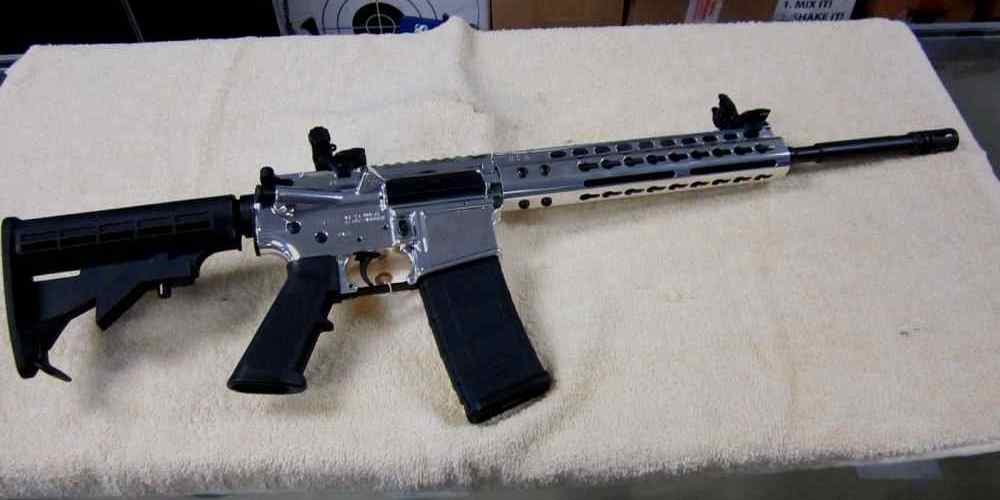
A clean firearm is only as reliable as its most overlooked surfaces, and the barrel extension is one of them. In modern rifles, especially AR-style platforms, this component plays a critical role in feeding, locking, and consistent chambering. When carbon, grime, or brass residue builds up in the wrong places, reliability can suffer faster than many owners expect. That is why this barrel extension cleaning method matters: it targets the area that most directly affects smooth cycling without turning routine maintenance into a complicated project.
For hunters, self-defense users, and serious enthusiasts alike, the goal is the same: dependable function when it counts. Cleaning the barrel extension correctly helps preserve consistent lockup, reduces friction during feeding, and supports better long-term performance. Just as important, it encourages responsible ownership by keeping firearms in a safe, serviceable condition. With the right approach, this task can be done quickly, carefully, and with minimal wear on parts.

Clean the Barrel Extension for Better Reliability
The barrel extension is where the bolt locks into place, so any buildup here can affect how securely and smoothly the action cycles. On rifles that see regular use, carbon fouling, lubricant residue, dust, and even tiny fragments of brass can collect around the locking lugs and recesses. Over time, that buildup may cause sluggish bolt movement, inconsistent lockup, or difficult chambering. A focused cleaning method helps remove those deposits before they become a reliability issue.
The key is to clean the extension without overworking it. Start with the firearm unloaded, the magazine removed, and the chamber visually and physically checked. Field-strip the rifle according to the manufacturer’s instructions, then use a nylon brush, a quality solvent, and lint-free patches or swabs to reach the recesses around the locking lugs. Avoid aggressive metal tools that can scratch critical surfaces. The goal is to lift fouling, not to polish away material or alter tolerances.
This method works quickly because it targets the places that matter most. Many shooters spend too much time on exterior surfaces while neglecting the barrel extension, where reliability problems often begin. A clean extension helps the bolt rotate and lock more consistently, which is especially important in defensive carbines and hard-use rifles. It is a simple maintenance step, but it pays off in smoother operation and greater confidence at the range or in the field.
Fast Maintenance Steps That Keep Guns Running
A practical maintenance routine does not need to be elaborate to be effective. After the rifle is safely cleared and disassembled, apply a small amount of solvent to the barrel extension area and let it sit briefly to loosen hardened fouling. Then use a nylon or dedicated chamber brush with controlled pressure to reach the grooves and lug recesses. Follow up with swabs or wrapped patches to remove debris, and finish with a light inspection under bright light to make sure the surfaces are clean and dry.
Keeping guns running also means being selective with lubrication. Too much oil can attract grit and create a sticky film that defeats the purpose of cleaning. On the barrel extension and locking lugs, many experienced shooters prefer only a very light protective film or, in some cases, a dry surface depending on the rifle maker’s guidance and the operating environment. Always consult the owner’s manual and use products intended for firearms, since improper cleaners or excessive solvents can damage finishes, polymers, or nearby components.
A fast maintenance routine should also include a quick check of related parts. Inspect the bolt lugs, extractor, and chamber area for unusual wear, pitting, or carbon rings that may indicate a deeper issue. If the rifle has been exposed to mud, moisture, or heavy firing schedules, increase the frequency of inspection and cleaning. Historical lessons from military and duty rifles have shown that simple, consistent maintenance often prevents failures better than occasional deep cleaning. That principle still holds true today for modern sporting rifles and defensive firearms.
This barrel extension cleaning method improves reliability fast because it focuses on the exact point where locking, feeding, and extraction begin. By removing carbon and debris from the right places, owners can help their rifles cycle more smoothly and stay more dependable under real-world conditions. It is a practical habit that supports both performance and safety, whether the firearm is used for hunting, sport, or home defense.

Above all, responsible gun ownership means knowing how to maintain your firearm correctly and safely. Keep the work area clear, confirm the gun is unloaded, follow manufacturer guidance, and use proper tools and products. A few careful minutes spent cleaning the barrel extension can make a noticeable difference, helping ensure your firearm remains accurate, reliable, and ready for lawful use when needed.