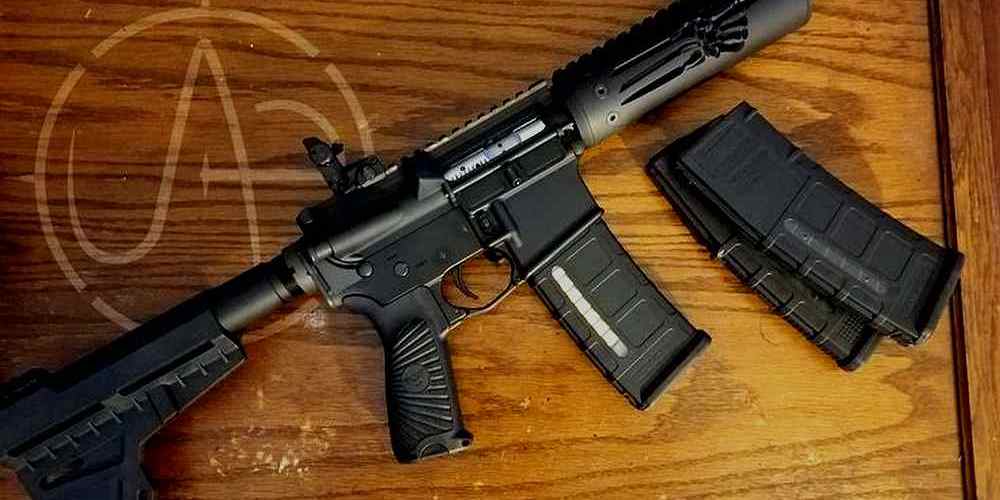
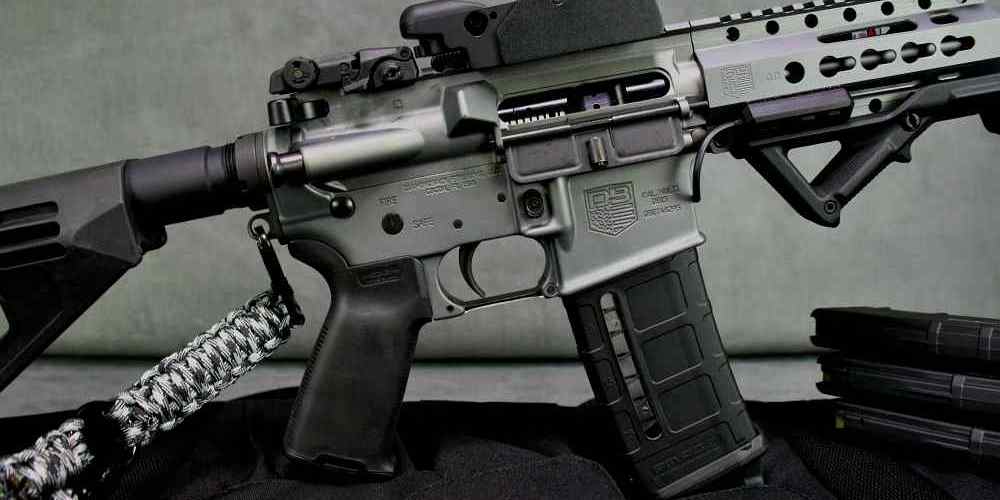
An AR-15 can start out feeling trim and manageable, but after a few accessories, a longer handguard, a beefier optic, and a full magazine, that same rifle can begin to feel like it weighs a lot more than its numbers suggest. For hunters especially, every extra ounce matters in the field, where long walks, awkward shooting positions, and quick follow-up shots all add up. The good news is that much of that “heavy” feeling comes from specific choices in parts and setup, which means there are practical, responsible ways to fix it without sacrificing reliability or safety.
Why Your AR-15 Feels Heavier Than It Should
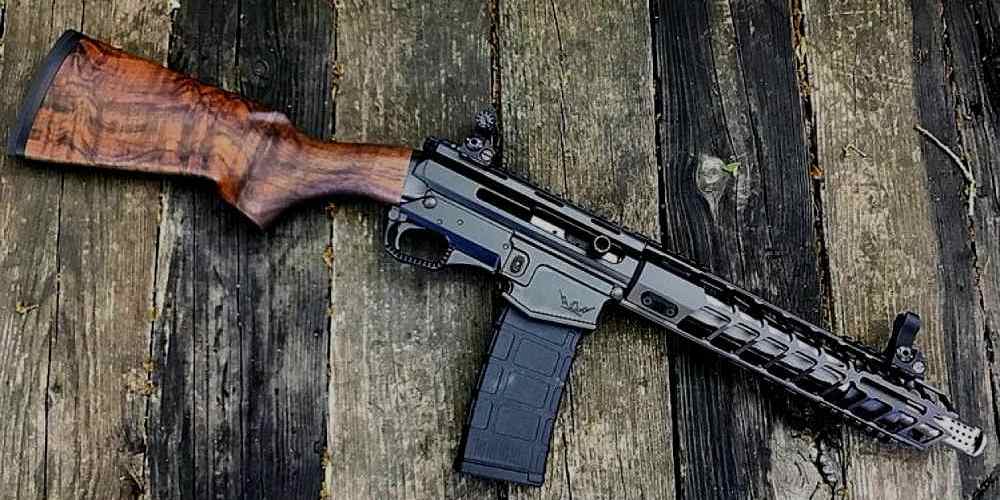
One of the biggest reasons an AR-15 feels heavier than expected is weight distribution. A rifle that balances forward of the receiver will often feel more tiring than a rifle with the same total weight centered closer to the shooter. Common culprits include heavy barrels, oversized handguards, large optics, steel mounts, backup sights, weapon lights, and front-loaded accessories. Even small additions can stack up quickly, and once weight moves toward the muzzle, the rifle starts to feel less lively and more cumbersome during carry and shouldering.

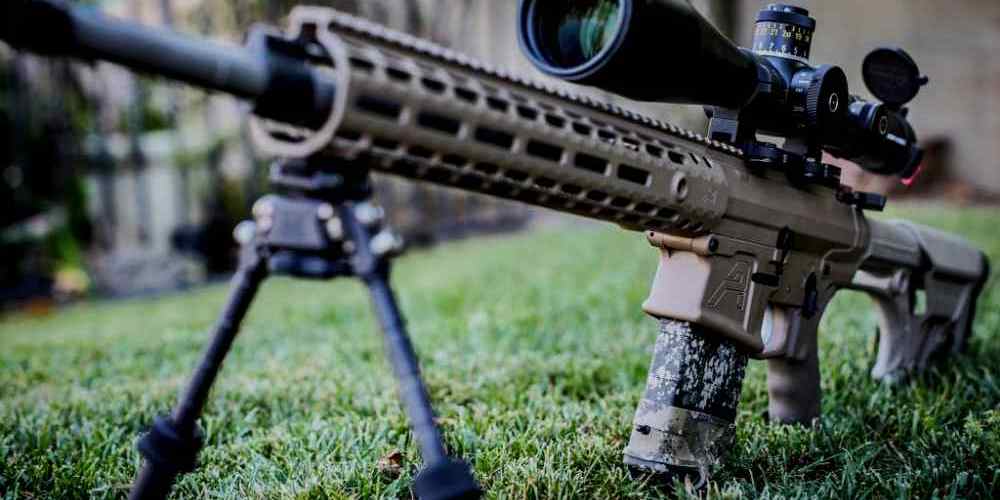
Another factor is that many owners unintentionally build their rifles for hard use or all-purpose range convenience rather than field carry. A thick-profile barrel may help manage heat during long range sessions, but it can make the rifle noticeably heavier on a hunt. Likewise, a full-featured scope in a robust mount can be excellent for precision, yet overbuilt glass and mounts can add a surprising amount of mass. Add in a loaded magazine and the rifle’s weight increases again, which is why a setup that feels fine in the gun room may seem much heavier after an hour in the woods.
There is also a difference between actual weight and perceived weight. A rifle with a sharp muzzle-heavy balance will feel heavier than a well-balanced rifle even if the scale says otherwise. Stock length, sling setup, and how the rifle fits your body all influence that perception. If the rifle is too long or the sling is poorly adjusted, it can feel awkward and tiring very quickly. From a safety perspective, this matters because a rifle that is uncomfortable to carry is more likely to be mishandled or left in a less secure position, so proper fit and balance are not just comfort issues—they are part of responsible firearm handling.
The Lightweight Fix Hunters Trust Most
The fix many hunters trust most is a thoughtful move toward lightweight components, starting with the barrel and handguard. A lightweight or pencil-profile barrel can make a dramatic difference in how the rifle carries, especially in the field where shots are typically infrequent rather than rapid and sustained. Pairing that with a slim, rigid handguard made from modern aluminum or quality polymer can reduce front-end bulk while keeping the rifle stable. For hunters, this is often the best balance of portability and practical accuracy, as long as the parts are chosen from reputable makers and installed correctly.
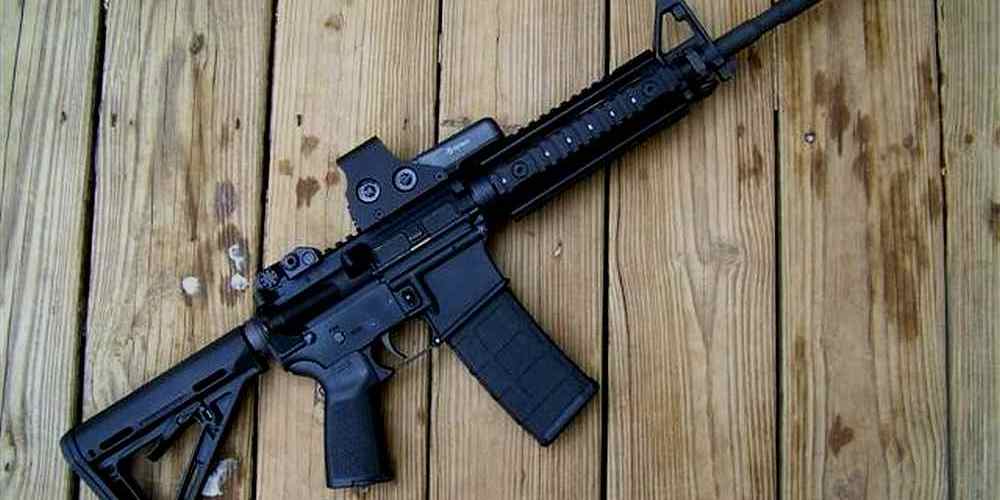
Optics are another area where smart weight savings pay off. Hunters often benefit from compact LPVOs, small red dots, or lightweight fixed-power scopes rather than oversized setups built for tactical use. Mounting hardware matters too; strong but lighter mounts can save several ounces without compromising secure attachment. If a rifle will be carried more than it is shot, trimming unnecessary accessories is one of the simplest and safest upgrades you can make. Just be sure any optic setup still matches the intended use, and confirm zero after installation so the rifle remains dependable and ethical for the game you pursue.
The most trusted lightweight fix is not just a single part—it is a system approach. Start by asking what the rifle actually needs in the field, then remove anything that does not serve that purpose. A proper sling, a sensible optic, a manageable light if needed, and a well-fitting stock can make the rifle feel far lighter than a pile of accessories ever will. Hunters who prioritize balance over gadget count often end up with rifles that carry better, mount faster, and stay more comfortable over a long day outdoors. As always, any modification should be legal in your area, installed according to manufacturer guidance, and tested safely at the range before field use.
If your AR-15 feels heavier than it should, the problem is usually not the platform itself—it is the way the rifle has been built and balanced. By paying attention to barrel profile, handguard choice, optic weight, and overall fit, you can turn a burdensome setup into one that carries naturally and shoots well. For many hunters, the lightweight path is the smartest path: it improves comfort, reduces fatigue, and keeps the rifle practical without giving up the reliability and confidence that responsible ownership demands.