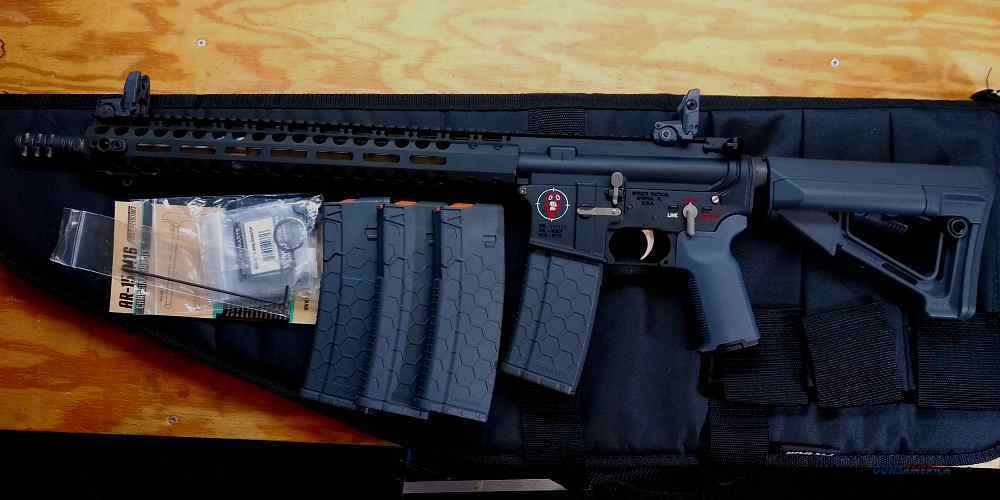
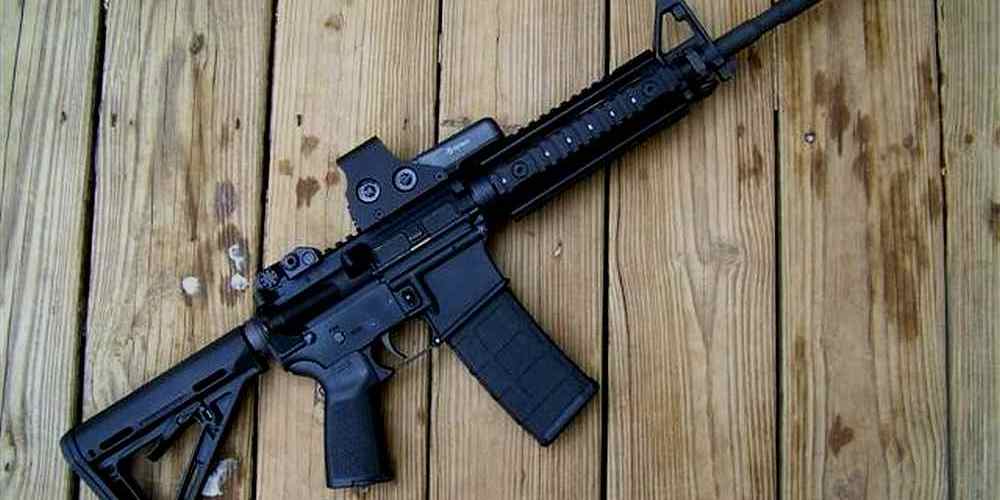
If you’ve ever had an AR-15 choke at the range, you already know how frustrating it can be. One minute the rifle is running smoothly, and the next you’re dealing with failures to feed, failures to extract, or a bolt that just won’t go fully into battery. The good news is that most “mystery jams” are not really mysterious at all—they usually come down to a few predictable causes that are easy to diagnose with a little patience and a safety-first mindset.
Why AR-15s Jam: The Real Causes Explained
An AR-15 is a reliable rifle when it’s built correctly, fed good ammunition, and kept within a sensible maintenance routine. Its direct-impingement system does a lot of work efficiently, but it also depends on gas pressure, bolt speed, magazine function, and proper lubrication all being in the right balance. If one part of that system is off, the rifle can start to short-stroke, fail to chamber a round, or eject brass inconsistently. That’s why experienced owners often say AR problems are usually system problems, not single-part failures.

One of the most common causes of jamming is the magazine. A weak spring, damaged feed lips, or a cheap magazine with poor geometry can mimic a rifle malfunction even when the firearm itself is fine. Ammunition quality matters just as much—underpowered ammo, inconsistent brass, or damaged cartridges can all disrupt feeding and extraction. It’s worth remembering that the AR platform was designed around standardized, dependable components, and when owners mix in worn magazines or bargain ammunition, reliability usually drops fast.
Another major culprit is insufficient or improper lubrication. The AR-15 likes to run wet, especially on the bolt carrier group, cam pin, and contact surfaces. A dry rifle creates more friction, and more friction means more chance of sluggish cycling, especially in colder weather or after extended firing. Carbon buildup, fouling, and neglected cleaning can also contribute, but in many cases the rifle isn’t “dirty enough” to fail—it’s simply not lubricated enough where it counts.
The Simple Fix Most Owners Overlook Every Time
The fix many owners miss is surprisingly basic: start with the magazine and then properly lubricate the bolt carrier group before blaming the rifle. Too many shooters immediately assume they need new parts, a different buffer system, or a gunsmith visit, when the real issue is often a questionable magazine combined with a dry action. A quick magazine swap and a proper lube check solve a large percentage of AR-15 reliability complaints.
A good routine is to inspect your magazines first, then clean and lightly re-lube the bolt carrier group, charging handle area, and contact points inside the upper receiver. You don’t need to drown the rifle in oil, but the moving surfaces should not look dry. While you’re at it, verify that your ammunition is reputable and appropriate for your rifle’s barrel twist and gas system. If the gun still malfunctions after that, then it’s time to look deeper at gas key staking, extractor tension, buffer weight, or spring condition—but start with the simple stuff first.
Responsible ownership also means testing one change at a time. If you swap magazines, ammo, and lube all at once, you won’t know what actually fixed the problem. Keep a small log of what brand of magazine and ammunition you used, what the weather conditions were, and how the rifle behaved. That kind of disciplined troubleshooting is how you turn a frustrating range day into useful data—and it’s the same method many armorers and serious shooters use to keep their rifles dependable.
In most cases, an AR-15 that “keeps jamming” is trying to tell you something straightforward: check the magazine, check the ammo, and make sure the rifle is properly lubricated. Those simple steps resolve more reliability issues than expensive parts swaps ever will. For gun owners who value performance, safety, and confidence, disciplined maintenance and careful troubleshooting are part of the responsibility that comes with owning a modern sporting rifle.