Customizing Your Firearm’s Ejection Port: Enhancing Performance and Reliability
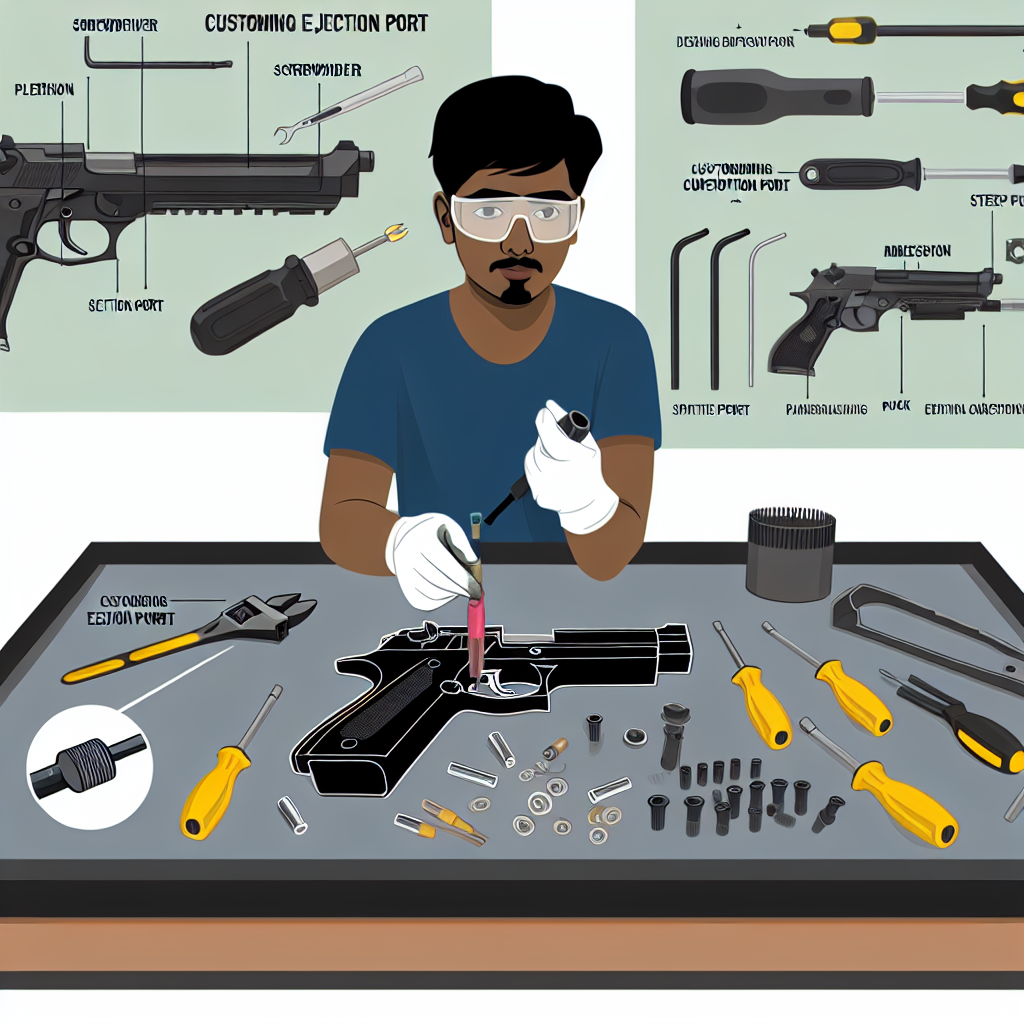
Firearms customization is a popular pursuit among enthusiasts, whether for improved performance, personal aesthetics, or ergonomic comfort. While many focus on barrels, triggers, and sights, the ejection port is an often overlooked yet crucial component that can significantly impact your firearm’s reliability and user experience. Customizing your firearm’s ejection port can lead to smoother operation, reduced malfunctions, and even aesthetic upgrades that make your weapon uniquely yours.
This article delves into the world of ejection port customization—exploring what it is, why it matters, common modifications, and real-world examples to help you make informed decisions when tailoring your firearm.
Understanding the Ejection Port: Function and Importance
The ejection port is the opening on a firearm’s receiver through which spent cartridge casings are expelled after firing. It plays a critical role in the firearm’s cycling process by ensuring that empty cases do not interfere with subsequent rounds being chambered.
Here are some key functions of the ejection port:
- Spent Case Ejection: Allows the extractor and ejector mechanisms to expel fired casings efficiently.
- Chamber Access: Provides access for loading rounds manually or clearing malfunctions.
- Ventilation: Helps release gas and debris from the chamber area during firing.
A properly designed and maintained ejection port ensures smooth cycling and reduces jams such as stovepipes (where a casing fails to eject properly). For this reason, shooters who demand high reliability—such as competitive marksmen, law enforcement personnel, or tactical operators—often explore ways to optimize this component.
Common Reasons for Customizing the Ejection Port
Why would someone want to customize their firearm’s ejection port? There are several motivations ranging from practical improvements to personalized aesthetics. Below are some of the most common reasons:
- Improved Reliability: Enlarging or reshaping the ejection port can reduce failures to eject (FTE), especially when using certain ammunition types or under harsh conditions.
- Easier Clearing of Malfunctions: A larger or differently shaped port can facilitate quicker manual extraction of stuck cartridges or debris removal.
- Aesthetic Enhancements: Custom cuts or polished edges can give a firearm a unique look favored by collectors or enthusiasts.
- Weight Reduction: Although minimal, removing material around the ejection port can slightly reduce overall weight—important for competition shooters.
- User Comfort and Ergonomics: Modifications can improve handling characteristics, such as reducing sharp edges that might snag clothing or interfere with holstering.
The benefits of customization depend largely on the firearm model and intended use. For example, competitive shooters might prioritize speed in clearing jams while tactical users might seek enhanced durability under adverse conditions.
Popular Ejection Port Modifications and Techniques
Ejection port customization varies widely depending on firearm type (e.g., AR-15 rifles versus pistols) and shooter preference. Below are some of the most common modifications along with their purposes:
Ejector Port Enlargement
This involves milling or filing the ejection port to increase its size. By enlarging the opening, spent casings have more clearance space when being ejected. This modification is especially popular on AR-15 rifles where smaller ports sometimes cause stovepipes with certain ammo brands or reloads.
- Pros: Reduces FTEs; easier clearing of jams; improved gas venting.
- Cons: Potentially weakens receiver structure if overdone; may expose internal parts to debris more easily.
Smoothing and Polishing Edges
Burrs or rough edges around the ejection port can cause spent cases to catch during ejection. Gunsmiths often polish these surfaces for smoother operation without changing dimensions significantly. This is a low-risk modification that enhances reliability.
Addition of Dust Covers or Port Blocks
Some users add aftermarket dust covers that seal the ejection port when not firing. These covers protect internal components from dirt and debris but automatically open during firing cycles. Tactical rifles like AR-15s often come with dust covers stock but aftermarket options may offer enhanced sealing or faster deployment mechanisms.
Ejector Replacement or Adjustment
The ejector mechanism works hand-in-hand with the ejection port size. Some customizers replace standard ejectors with stronger springs or differently shaped components to improve case expulsion force. Adjusting ejector tension also pairs well with port enlargement for optimal performance.
Cerakoting and Coating Applications
Aesthetic customization includes applying durable coatings around the ejection port area—such as Cerakote—to enhance corrosion resistance and create custom color schemes. These coatings also reduce friction between cases and metal surfaces during ejection.
Case Studies: Real-World Examples of Ejection Port Customization
Theoretical knowledge is helpful, but seeing how modifications perform in practice provides valuable insights.
Here are several case studies demonstrating different approaches to customizing the ejection port across various firearms: Case Study 1: AR-15 style rifles often benefit from enlarged ports to enhance reliability and reduce jams.
Customizing your firearm’s ejection port can significantly improve its performance and reliability.