Customizing Your Rifle’s Trigger Pull Weight: Enhancing Accuracy and Performance
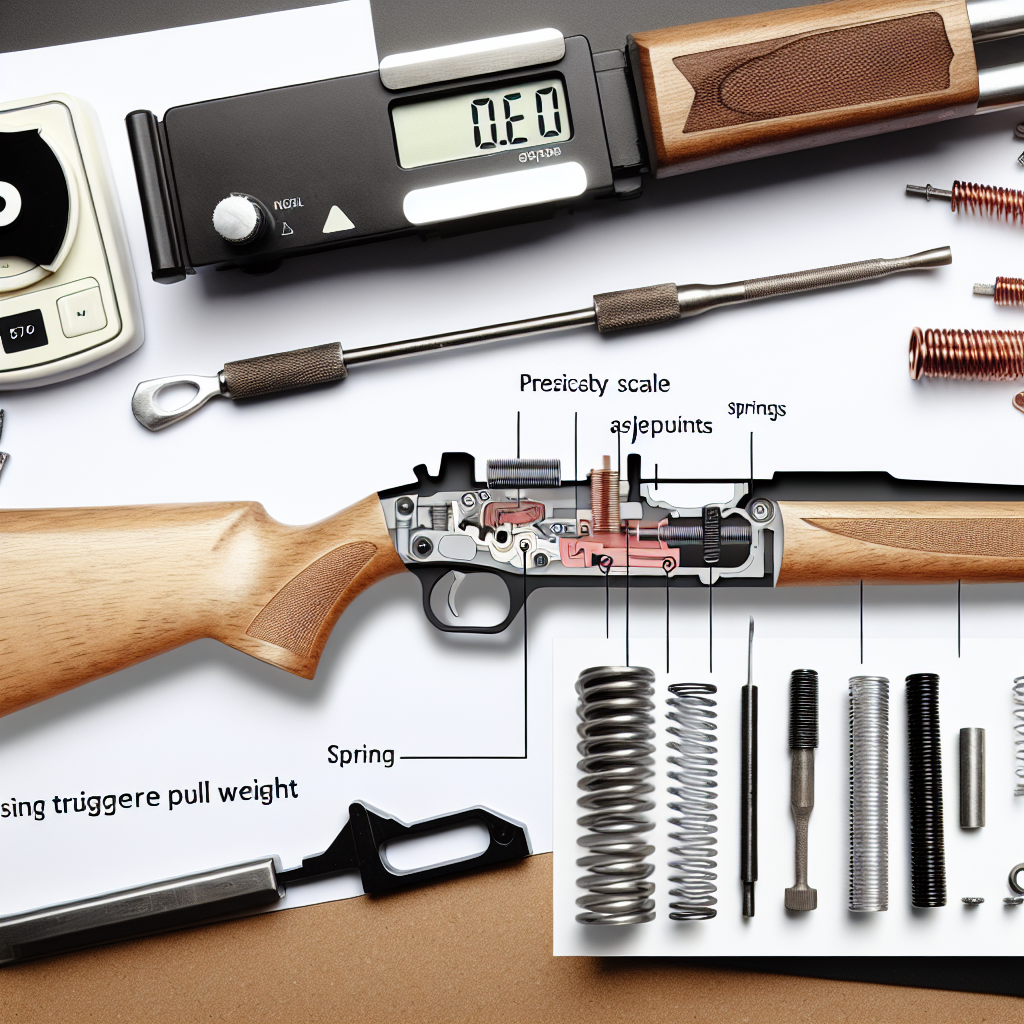
The trigger pull weight of a rifle is one of the most critical yet often overlooked factors influencing shooting accuracy, control, and overall firearm performance. Whether you are a competitive shooter, a hunter, or a tactical enthusiast, understanding and customizing your rifle’s trigger pull weight can dramatically improve your shooting experience. This article delves deep into the nuances of trigger pull weight customization, offering valuable insights, practical advice, and real-world examples to help you optimize your rifle’s performance.
Understanding Trigger Pull Weight: What It Is and Why It Matters
Trigger pull weight refers to the amount of force required to activate the trigger and fire the rifle. It is typically measured in pounds (lbs) or kilograms (kg), indicating how much pressure a shooter must exert to discharge a shot.
The significance of trigger pull weight cannot be overstated. A heavier trigger pull requires more force, which can lead to increased movement of the rifle during firing—potentially reducing accuracy. Conversely, a lighter trigger pull allows for smoother and more precise shots but may increase the risk of accidental discharges if not handled properly.
- Heavy Trigger Pulls: Usually 5 lbs or more, common in military or hunting rifles for safety under rough conditions.
- Medium Trigger Pulls: Between 3 to 5 lbs, often preferred by general shooters balancing safety and accuracy.
- Light Trigger Pulls: Under 3 lbs, favored by competitive shooters for maximum precision.
According to a 2019 survey conducted by the National Shooting Sports Foundation (NSSF), over 60% of competitive marksmen preferred trigger pulls under 3 pounds for their precision rifles. This statistic underscores the importance of tailored trigger weights depending on use case.
The Science Behind Trigger Pull Weight and Shooting Accuracy
The correlation between trigger pull weight and shooting accuracy is grounded in biomechanics and ballistics principles. When firing a rifle, any unnecessary movement can alter the point of impact. The trigger pull is one such factor that directly affects this movement.
A study published in the Journal of Applied Biomechanics in 2020 demonstrated that reducing trigger pull weight from 5 lbs to 2 lbs resulted in an average improvement in group size by approximately 25% among experienced shooters. This improvement was attributed to reduced muscular strain and less anticipation-induced flinching.
Flinching—a subconscious reaction where shooters anticipate recoil—can be exacerbated by heavier triggers requiring greater force. A lighter trigger reduces this tension allowing for a smoother shot execution.
- Reduced Movement: Less force on the trigger means fewer chances for barrel misalignment during firing.
- Improved Consistency: Repeatable light pulls promote uniform shot release conditions.
- Lowered Fatigue: Especially important during long shooting sessions or competitions.
However, it is essential to balance lightness with safety; an excessively light trigger may cause unintended discharges or difficulty in managing recoil in rapid-fire scenarios.
How to Customize Your Rifle’s Trigger Pull Weight
Customizing your rifle’s trigger pull weight involves mechanical adjustments that can be done through professional gunsmithing or DIY methods if you have proper expertise. The key components involved include springs, sears, and sometimes the entire trigger assembly.
Common Methods for Adjusting Trigger Pull Weight
- Spring Replacement: Changing out the factory springs with lighter or heavier ones is a straightforward way to adjust pull weight.
- Sear Engagement Adjustment: Modifying how tightly the sear holds the hammer can reduce required pull force but must be done carefully to avoid unsafe conditions.
- Polishing Contact Surfaces: Smoothing sear surfaces reduces friction contributing to smoother pulls without drastically changing weight.
- Installing Aftermarket Triggers: Many manufacturers offer specialized triggers designed with adjustable pull weights ranging from ultra-light competition models to rugged hunting triggers.
Example Case Study:
A marksman competing in Precision Rifle Series (PRS) events decided to replace his factory AR-15 trigger (with an estimated pull weight of ~6 lbs) with an aftermarket two-stage drop-in unit adjustable from 2.5 lbs up to 5 lbs. After tuning it down to approximately 3 lbs with professional gunsmith assistance, his average group size decreased by nearly half over three months of practice sessions—demonstrating tangible benefits from customization.
Important Considerations Before Adjusting Your Trigger
- Laws & Regulations: Some jurisdictions regulate modifications affecting firearm safety mechanisms; always check local laws before customizing triggers.
- User Experience Level: Beginners should avoid extremely light triggers until comfortable handling firearms safely under various conditions.
- Shooting Discipline: Different applications demand different settings—for example, hunting rifles might prioritize safety over ultra-light pulls found in benchrest rifles.
The Role of Trigger Types in Pull Weight Customization
The type of trigger installed on your rifle significantly influences both achievable pull weights and customization options.
Understanding these types helps tailor modifications effectively: Semi-automatic triggers often allow for lighter pull weights compared to bolt-action triggers, which may require a heavier pull for safety reasons.
In conclusion, customizing your rifle’s trigger pull weight can enhance your shooting experience, but always prioritize safety and legality in your modifications.