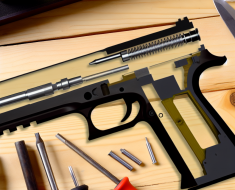
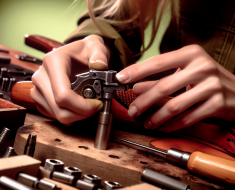
How to Build a Home-Built Pistol: A Comprehensive Guide
The idea of building a home-built pistol has fascinated firearms enthusiasts, hobbyists, and survivalists for decades. With advances in technology, especially in the realm of 3D printing and CNC machining, creating a functional firearm at home is more accessible than ever. However, this task involves intricate knowledge, legal considerations, and technical expertise to ensure safety and functionality.
In this article, we will delve deep into the process of building a home-built pistol, covering essential aspects such as legal frameworks, design principles, materials, tools required, step-by-step construction guidance, and safety considerations. Whether you are an experienced gunsmith or a curious learner, this guide will offer valuable insights into the fascinating world of DIY firearms.
Understanding Legal Considerations Before Building
Before embarking on building a home-built pistol, it is crucial to understand the legal landscape surrounding firearm manufacturing. Laws vary significantly depending on the country and even local jurisdictions. Ignorance of these laws can lead to severe penalties including fines and imprisonment.
- Federal Regulations (United States): Under U.S. federal law (specifically the Gun Control Act of 1968), individuals are generally allowed to manufacture firearms for personal use without a license but cannot sell or distribute them without proper licensing.
- Serial Number Requirements: Firearms manufactured for personal use do not require serial numbers federally; however, some states mandate serialization for homemade firearms.
- Prohibited Persons: Individuals prohibited from owning firearms (e.g., felons) must not engage in building or possessing any firearms.
- State and Local Laws: Some states have additional restrictions regarding homemade guns (e.g., California’s “ghost gun” laws), so always consult local statutes.
A case study by the Bureau of Alcohol, Tobacco, Firearms and Explosives (ATF) highlights that over 10% of firearms recovered at crime scenes in recent years were unserialized homemade guns or “ghost guns,” prompting increased regulatory attention. Therefore, understanding these laws ensures responsible ownership and adherence to regulations.
Selecting the Right Design and Blueprint
The foundation of building a reliable home-built pistol lies in selecting an appropriate design or blueprint. Modern technology offers various sources — from open-source designs available online to proprietary blueprints shared within maker communities.
- Types of Pistols Suitable for Home Building:
- Single-shot pistols: Simplest design with minimal moving parts; ideal for beginners.
- Semi-automatic pistols: More complex mechanisms requiring precision machining; suitable for experienced builders.
- Cylinder or revolver designs: Rarely attempted due to mechanical complexity but possible with advanced skills.
- Open-Source Blueprints:
- The Liberator Pistol: One of the first widely known 3D-printable pistols designed by Defense Distributed in 2013; demonstrates feasibility but has limited durability.
- The ZIP .22 Pistol: A popular DIY semi-automatic .22 caliber pistol blueprint circulated among hobbyists.
A thorough analysis reveals that single-shot pistols or simple blowback-operated semi-automatics are preferable starting points due to fewer parts and straightforward assembly. Additionally, choosing calibers like .22 LR or 9mm improves accessibility due to widespread ammunition availability and manageable recoil forces during testing.
Essential Tools and Materials Required
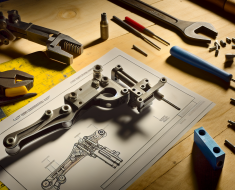
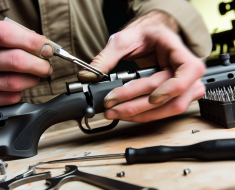
The construction process demands specific tools and materials depending on the chosen design. Quality components ensure functionality and durability while minimizing safety risks during operation.
- Materials:
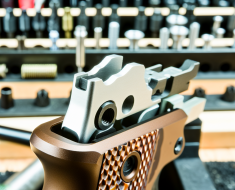
- Metal Components: High-grade steel alloys are preferred for barrels and slides due to their strength under pressure. Stainless steel or carbon steel sheets can be used for frames with appropriate machining capabilities.
- Polymer Parts: Many modern pistols use polymer frames which can be fabricated using durable plastics like nylon or ABS via injection molding or high-quality 3D printing methods such as SLS (Selective Laser Sintering).
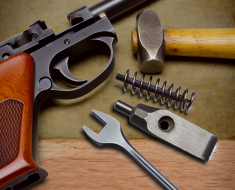
- Springs & Pins: Essential small parts including recoil springs, firing pins, triggers springs usually sourced commercially for reliability.
- Tools:
- CNC Milling Machine: Critical for precise metal shaping especially barrels and slides; alternatively manual milling machines can suffice with skillful operation.
- Lathes: Useful for barrel rifling and shaping cylindrical parts accurately.
- Dremel Rotary Tools: For fine adjustments and polishing smaller components.
- Bore Rifling Kits: Hand rifling kits help create grooves inside barrels to stabilize bullets during firing.
- Soldering/ Welding Equipment: Occasionally necessary when assembling metal parts permanently.
- CALIBRATION Instruments: Micrometers, calipers ensure precise measurements within tolerance limits critical for firearm safety and performance.
A detailed inventory list prepared by experienced DIY gunsmiths recommends budgeting approximately $500 to $1,000 for materials and tools, depending on the complexity of the design.
With careful planning and adherence to safety guidelines, building a home-built pistol can be a rewarding project for skilled enthusiasts.