How to Upgrade Your Firearm’s Barrel Profile
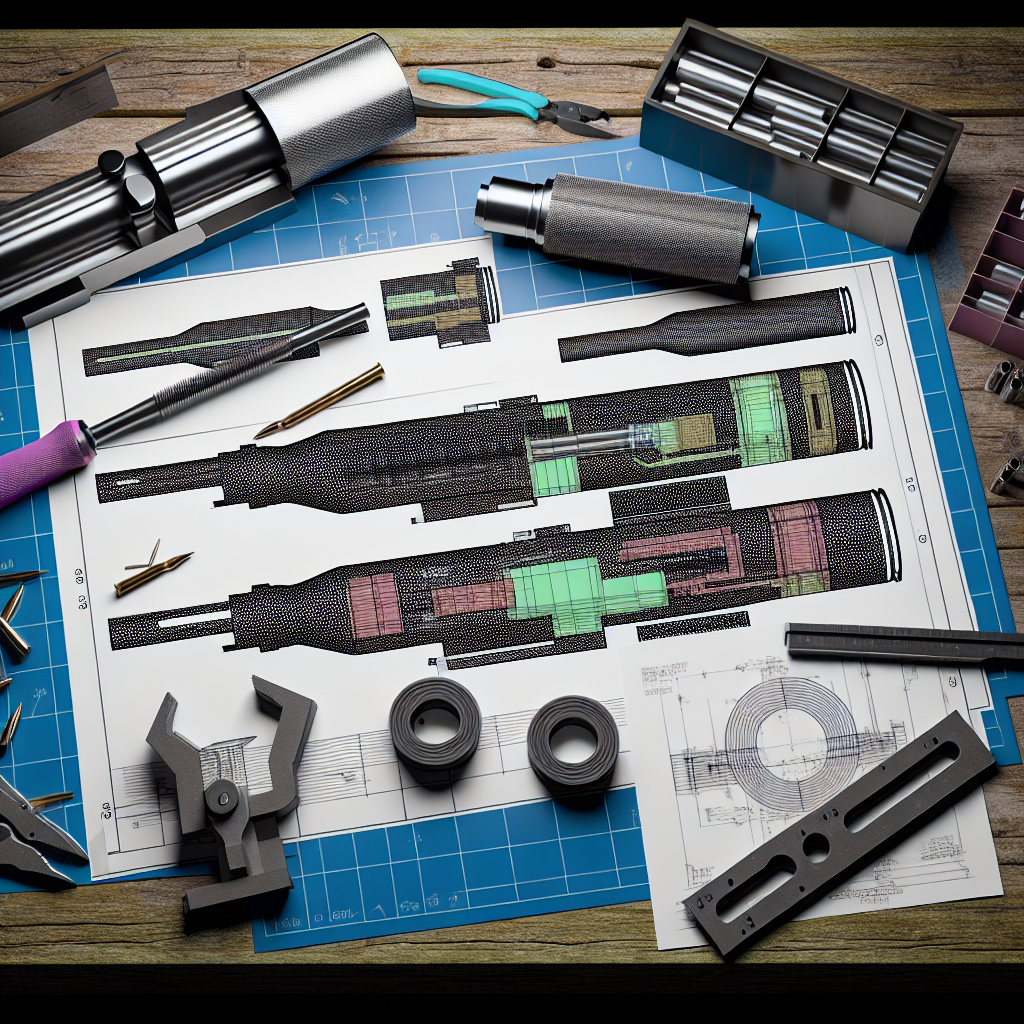
Upgrading the barrel profile of a firearm is a popular modification among enthusiasts and professionals alike. Whether you’re looking to enhance accuracy, reduce weight, or improve heat dissipation, choosing the right barrel profile can dramatically affect your firearm’s performance. This article will guide you through the essential considerations, benefits, and practical steps involved in upgrading your firearm’s barrel profile.
Understanding Barrel Profiles: Basics and Benefits
Before diving into upgrades, it’s crucial to understand what a barrel profile is and why it matters. The barrel profile refers to the shape and dimensions of the barrel along its length — specifically its thickness and contour.
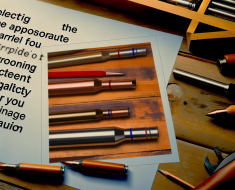
Common barrel profiles include:
- Lightweight (or pencil) barrels: Thin barrels designed primarily for weight reduction.
- Standard (or government) barrels: A balanced thickness offering moderate weight and heat dissipation.
- Heavy barrels (bull barrels): Thick barrels that enhance accuracy by reducing vibration and heat distortion.
- Tapered barrels: Barrels that gradually reduce in diameter from chamber to muzzle for balanced performance.
The choice of barrel profile directly influences several factors:
- Accuracy: Heavier barrels tend to be stiffer, reducing vibrations during firing and improving shot consistency.
- Weight: Thicker barrels add weight, affecting maneuverability but often increasing stability.
- Heat Dissipation: Barrel thickness affects how quickly heat is absorbed or dissipated, impacting sustained shooting performance.
- Aesthetics and Handling: The feel and look of a firearm can be tailored by selecting different profiles.
A 2019 study by the National Shooting Sports Foundation (NSSF) showed that shooters using heavy barrel rifles recorded a 15% improvement in group size consistency compared to standard-profile rifles during controlled testing environments. This highlights how critical barrel profile selection can be for precision shooters.
Why Upgrade Your Barrel Profile?
If you’re wondering whether upgrading your barrel profile is worth the investment, consider the following motivations common among firearm owners:
- Improved Accuracy: A thicker barrel reduces whip or vibration when firing, leading to tighter shot groups—particularly important for long-range shooting or competition scenarios.
- Sustained Shooting Performance: Heavy or bull barrels retain structural integrity better under rapid fire due to enhanced heat management, preventing point-of-impact shifts caused by thermal expansion.
- Lighter Weight for Mobility: Conversely, switching to a lighter profile might be beneficial for hunters or tactical operators who prioritize speed and maneuverability over extreme precision.
- Aesthetic Customization: Upgrading also offers an opportunity to customize your firearm’s look with different contours such as fluted barrels or tapered designs that can also aid in cooling without adding excessive weight.
Anecdotal evidence from competitive shooters often praises bull barrels for their consistent performance in matches involving hundreds of rounds fired consecutively. Conversely, hunters frequently opt for lighter profiles on bolt-action rifles where carrying comfort over long distances is paramount.
Selecting the Right Barrel Profile for Your Needs
The key to a successful upgrade lies in selecting a barrel profile aligned with your shooting style and goals. Here are some considerations when choosing your new barrel profile:
- Shooting Discipline: Precision shooters benefit from heavier profiles like bull barrels; tactical shooters might prefer tapered or medium-weight barrels balancing speed and control; hunters often opt for lightweight contours.
- Caliber Compatibility: Some calibers produce more recoil or heat than others—thicker barrels better handle high-pressure cartridges like .308 Winchester or .300 Winchester Magnum compared to thinner profiles suited for smaller calibers like .223 Remington.
- Shooting Frequency and Volume: If you plan on rapid-fire sessions or extended shooting periods, heavier barrels provide better thermal stability preventing point-of-impact shift due to heat buildup.
- Muzzle Device Compatibility: Some profiles facilitate easier installation of suppressors, muzzle brakes, or compensators. For example, threaded heavy barrels offer more material strength around threads ensuring durability under recoil stress.
An example case study comes from Precision Rifle Series (PRS) competitors who often choose custom bull-barrel rifles chambered in calibers like 6.5 Creedmoor due to the combination of manageable recoil and exceptional accuracy. Their feedback consistently highlights reduced barrel harmonics translating into improved scores under time-constrained conditions.
The Process: How to Upgrade Your Firearm’s Barrel Profile
The upgrade process involves several technical steps best handled by experienced gunsmiths or qualified professionals. Here’s an overview of what upgrading entails:
Selecting the Replacement Barrel
The first step is sourcing a replacement barrel matching your desired profile and caliber specifications. Many manufacturers offer drop-in replacement barrels with various profiles including fluted options which reduce weight while maintaining rigidity.
Bedding and Headspacing Considerations
Bedding refers to how well the action mates with the stock; proper bedding ensures stability which complements an upgraded barrel’s improved accuracy potential.
Headspacing—the distance between the bolt face and the cartridge—must be precise to ensure reliable function and accuracy. Proper headspacing is crucial for the overall performance of the firearm.
By following these steps and consulting with professionals, you can effectively upgrade your firearm’s barrel profile for enhanced performance.