How to Document Your Firearm Collection
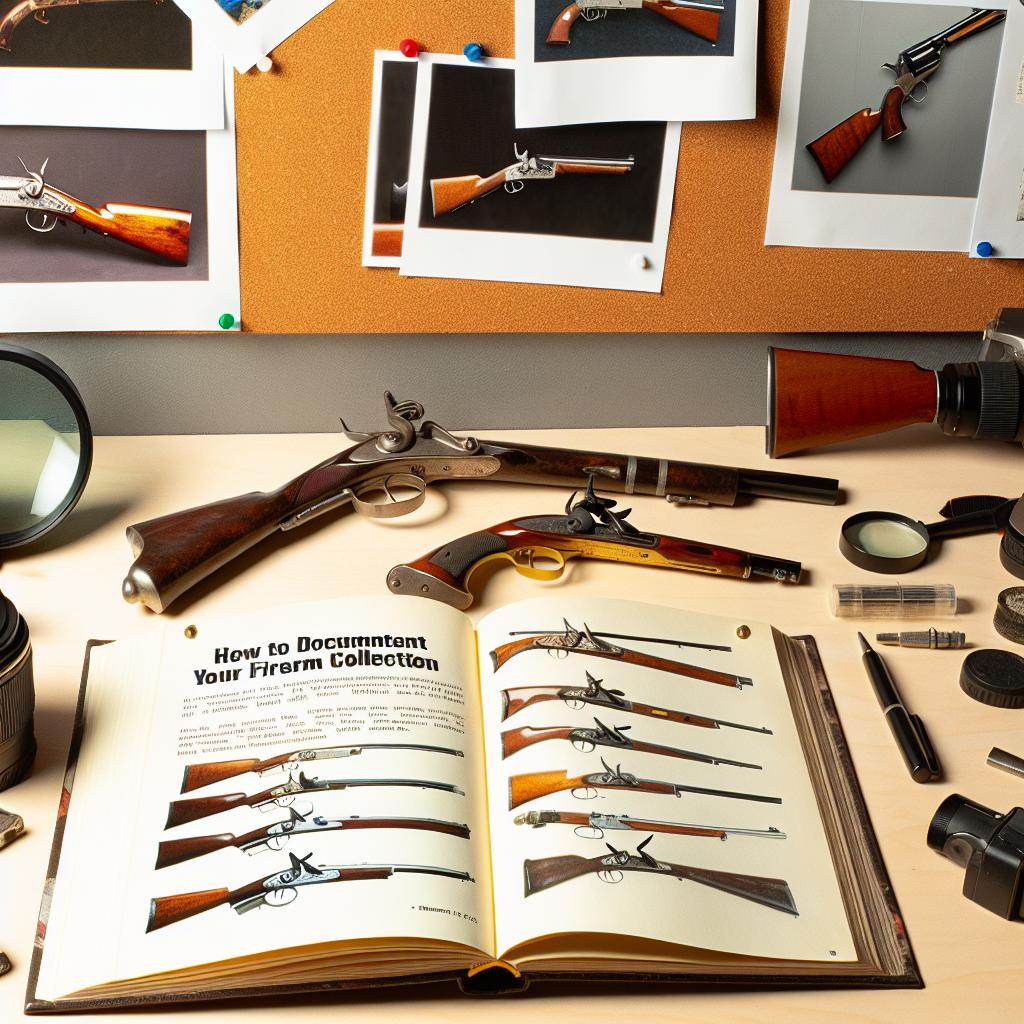
Owning a firearm collection is a responsibility that goes beyond mere possession. Whether you are a casual collector, an enthusiast, or a serious investor, documenting your firearms properly is crucial for legal protection, insurance purposes, and personal organization. A well-maintained firearm inventory can also serve as an essential tool in case of theft, loss, or damage.
In this comprehensive guide, we will explore the best practices for documenting your firearm collection effectively. From understanding the importance of detailed records to choosing the right methods and tools, this article provides actionable insights backed by statistics and real-world examples.
The Importance of Documenting Your Firearm Collection
Documenting your firearms is not just a bureaucratic exercise—it can protect your rights and investments in multiple ways. According to the National Crime Victimization Survey (NCVS), approximately 400,000 firearms are stolen annually in the United States alone. Without proper documentation, recovering stolen firearms or proving ownership becomes significantly more difficult.
Here are some key reasons why documenting your firearm collection is essential:
- Proof of Ownership: Detailed records help establish legal ownership if questioned by law enforcement or during disputes.
- Theft Recovery: Police are more likely to recover stolen firearms when owners provide serial numbers and descriptions.
- Insurance Claims: Insurance companies require precise documentation to process claims for loss or damage.
- Estate Planning: Accurate records facilitate the transfer of firearms to heirs without legal complications.
- Maintenance Tracking: Keeping track of maintenance schedules and modifications enhances safety and value retention.
A case study from the Bureau of Alcohol, Tobacco, Firearms and Explosives (ATF) revealed that over 70% of recovered stolen firearms lacked adequate documentation from their owners, resulting in lower recovery rates. This highlights how critical thorough record-keeping is for any firearm owner.
Essential Information to Include in Your Firearm Documentation
A comprehensive firearm record should include several key pieces of information that collectively provide a clear identity and history for each item in your collection. Below are the essential data points you should capture:
- Make and Model: The manufacturer’s name and model number provide basic identification.
- Serial Number: This unique identifier is critical for legal purposes and theft recovery.
- Caliber or Gauge: The type of ammunition used helps distinguish similar models.
- Date of Purchase: Important for warranty and insurance claims.
- Purchase Price and Seller Information: Useful for valuation and provenance verification.
- Description and Condition: Notes on physical condition, finishes, engravings, or special features add detail to your records.
- Photographs: Clear images from multiple angles assist in identification and insurance documentation.
- Accessories Included: Holsters, scopes, magazines, or other attachments should be listed.
- Maintenance Records: Document cleaning dates, repairs, or modifications for safety tracking.
This level of detail ensures that every aspect of your firearm’s identity is preserved accurately. For example, collectors specializing in vintage rifles often include historical notes on previous owners or provenance to enhance value assessments during appraisals.
The Best Methods to Document Your Firearm Collection
You have several options when it comes to documenting your firearms. The choice depends on personal preference, collection size, budget, and technological comfort level. Below are some common methods along with their advantages and disadvantages:
Papers and Physical Records
This traditional approach involves keeping printed logs or notebooks with all firearm details written down manually. It might also include printed receipts and photos stored in binders or folders.
- Pros:
- No dependence on technology or electricity
- Tangible backup copies can be stored offsite
- Cons:
- Difficult to update frequently
- Easily lost or damaged by fire/water without proper safekeeping
Spreadsheets (Excel, Google Sheets)
A spreadsheet offers more flexibility than paper logs. You can organize data into columns with sortable fields such as serial numbers or purchase dates. Cloud-based solutions like Google Sheets allow access from multiple devices securely.
- Pros:
- Easily searchable and sortable information
- Simplifies adding new entries or editing existing ones
- Possibility to share with trusted parties such as insurers or family members
- Cons:
- Might require some technical knowledge
- Sensitive data must be protected against hacking
Dedicating Firearm Inventory Software/Apps
The market now offers specialized inventory management software tailored for firearm collections.
These apps often include features like barcode scanning, automatic backups, and detailed reporting options, making it easier to track your collection comprehensively.
Choosing the right documentation method can help ensure your firearm collection is well-organized and secure.