Collecting Firearms with Factory Accessories: A Comprehensive Guide
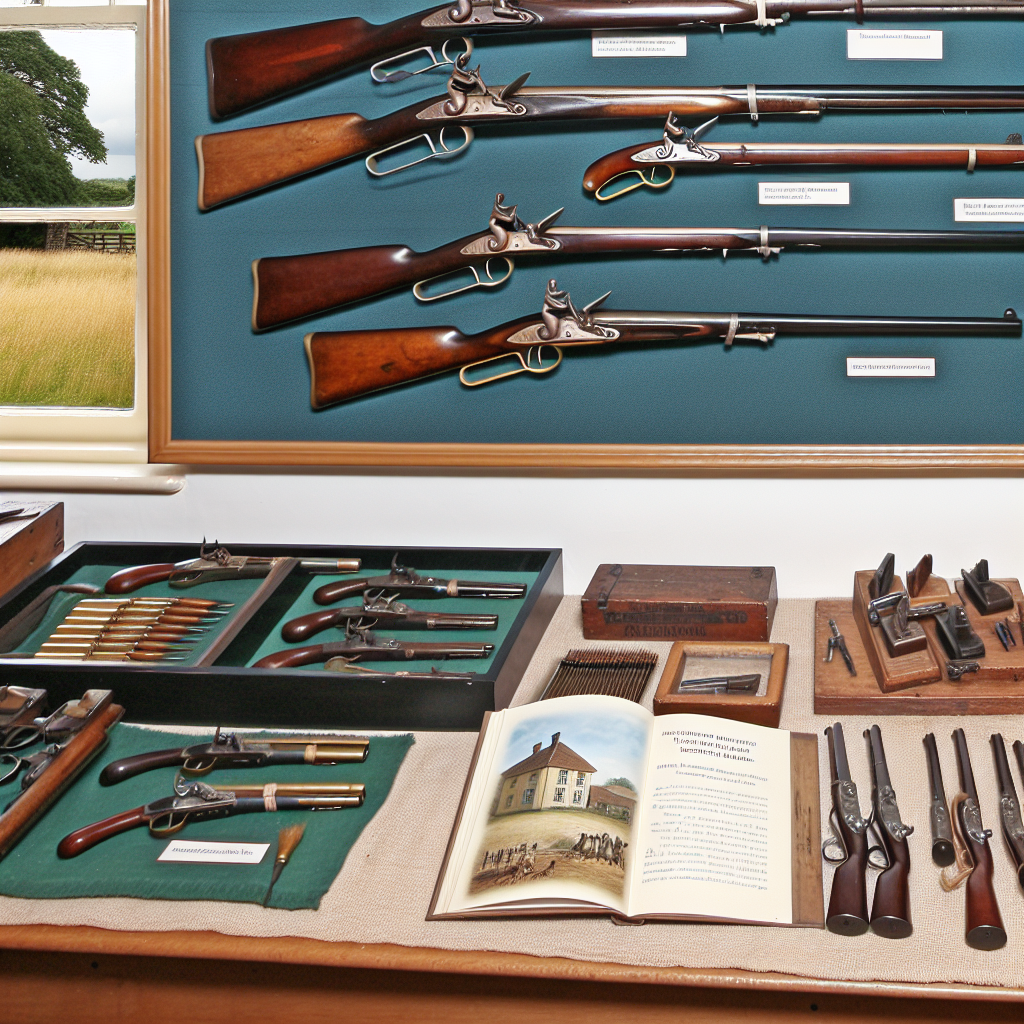
The world of firearms collecting is a rich and diverse hobby that attracts enthusiasts from all walks of life. Among the many facets of this pursuit, collecting firearms with factory accessories has gained significant popularity. Factory accessories—components and add-ons produced or endorsed by the original firearm manufacturer—add historical value, authenticity, and uniqueness to a collection. This article delves deep into the nuances of collecting firearms with factory accessories, exploring their significance, benefits, challenges, and tips for aspiring collectors.
Understanding Factory Accessories: What Sets Them Apart?
Before diving into the collection process, it’s essential to define what constitutes factory accessories and why they hold a special place in firearm collecting.
- Definition: Factory accessories refer to any additional components or attachments produced or officially licensed by the firearm manufacturer. These can include scopes, magazines, stocks, grips, bipods, slings, bayonets, and more.
- Authenticity: Unlike aftermarket or third-party accessories, factory accessories maintain the original design intent and quality standards set by the manufacturer.
- Historical Context: Many factory accessories were developed alongside specific firearm models for military or law enforcement use, giving them historical significance.
For example, the M1 Garand rifle produced during World War II often came equipped with official Springfield Armory bayonets and canvas slings designed specifically for it. Collectors who acquire these rifles along with matching factory-issued accessories often find greater value in their collections.
The Appeal of Collecting Firearms with Factory Accessories
Collecting firearms is already a fascinating hobby; however, focusing on those with factory accessories adds layers of depth and appeal. Here are some reasons why collectors gravitate toward this niche:
- Preservation of Originality: Firearms paired with original factory accessories tend to retain their authentic appearance and function as intended by their designers.
- Enhanced Value: Market data consistently shows that firearms accompanied by matching factory accessories command higher prices at auctions and private sales. For instance, a Colt M1911 pistol with its original holster and magazine pouch can be worth up to 20-30% more than one without.
- Historical Significance: Factory accessories provide tangible links to historical events. A WWII-era Lee-Enfield rifle fitted with its original No. 32 telescopic sight used in sniper operations tells a story beyond just the firearm itself.
- Aesthetic Completeness: Many collectors appreciate the aesthetic harmony of a firearm presented as it was originally intended—complete with all its original fittings.
This multifaceted appeal makes collecting firearms with factory accessories both intellectually rewarding and financially sound.
Key Categories of Factory Accessories Worth Collecting
The range of factory accessories varies widely depending on the era, manufacturer, and type of firearm. Below are some categories particularly prized by collectors:
- Sights and Optics: Scopes like the Leupold M3A used on M1 Carbines during WWII or original iron sights calibrated for specific firearms are highly sought after.
- Bayonets and Blades: Many military rifles were issued alongside specially designed bayonets. The German Mauser K98k bayonet is an iconic example prized by collectors worldwide.
- Stocks and Grips: Replacement stocks made from specific woods or materials that match production runs can significantly affect a firearm’s value.
- Mags and Feed Devices: Original magazines stamped by manufacturers such as Colt or FN Herstal often accompany collectible pistols or rifles like the M1911 or FN FAL.
- Sling Straps and Carrying Cases: Canvas slings or leather carrying cases bearing maker’s marks provide authenticity to military firearms collections.
A case study illustrating this is the British Lee-Enfield No.4 Mk I rifle: collectors prize examples fitted with correct canvas slings marked “WD” (War Department) alongside matching magazine chargers issued during WWII.
The Challenges of Collecting Firearms with Factory Accessories
No collecting endeavor is without its hurdles. When focusing on firearms complete with factory accessories, several challenges arise that collectors must navigate carefully.
- Authenticity Verification: Distinguishing genuine factory accessories from reproductions or aftermarket parts requires expertise. Forgeries can significantly undermine collection integrity.
- Condition Concerns: Accessories may suffer wear distinct from the firearm itself due to usage conditions—finding well-preserved matching items is difficult but crucial for value retention.
- Lack of Documentation: Historical records or provenance documents confirming accessory origins may be scarce or non-existent for older firearms.
- Cohesive Matching Issues: Some firearms underwent modifications over time; assembling a historically accurate set where all components originate from the same production batch demands patience and research.
An example involves Soviet Mosin-Nagant rifles where many surplus rifles were retrofitted post-war with non-original scopes or stocks sourced from other models. Collectors seeking “all-matching” sets must scrutinize markings closely to confirm authenticity.
Tips for Building a Quality Collection of Firearms with Factory Accessories include researching the history of each piece, networking with other collectors, and attending shows to find authentic items. Always prioritize authenticity and condition to enhance the value of your collection.