How to Evaluate the Condition of Antique Firearms
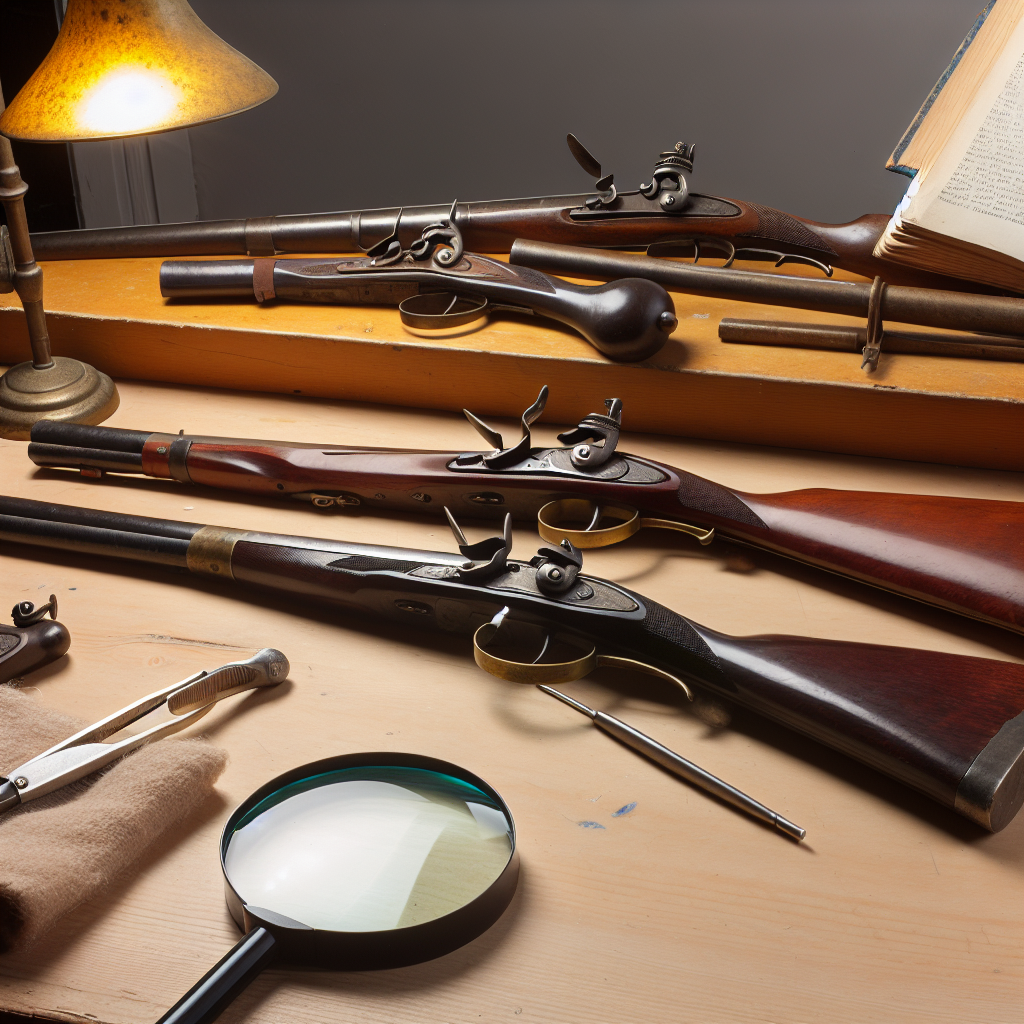
Antique firearms hold a unique place in history, reflecting craftsmanship, technological advancement, and cultural heritage. Whether you are a collector, investor, or enthusiast, accurately evaluating the condition of an antique firearm is essential for determining its value, authenticity, and preservation needs. This comprehensive guide will walk you through the key factors to consider when assessing antique firearms, providing valuable insights and practical tips backed by historical examples and industry standards.
Understanding the Importance of Condition in Antique Firearms
The condition of an antique firearm directly impacts its market value and historical significance. Unlike modern guns, antique firearms often come with wear from centuries of use or aging materials. Collectors prize guns that retain original parts and finishes while maintaining structural integrity.
According to the National Rifle Association’s (NRA) Museum Collection data, firearms preserved in excellent condition can fetch prices up to 3-5 times higher than similar models with heavy wear or modifications. For example, a Civil War-era Colt 1851 Navy revolver in near-mint condition recently sold at auction for over $100,000, whereas a similar but heavily restored model might only command $30,000.
Thus, understanding what constitutes “good” or “poor” condition is critical when evaluating these historical pieces.
Key Factors to Assess When Evaluating Antique Firearms
Evaluating an antique firearm involves a detailed examination of various physical and mechanical aspects. Below are the primary factors collectors and appraisers consider:
- Originality: Verify if all parts are original or if replacements have been made.
- Finish: Examine the metal surface for rust, pitting, or refinishing.
- Wood Condition: Inspect wooden stocks for cracks, repairs, or refinishing.
- Mechanical Function: Test moving parts for smoothness and proper operation.
- Markings and Serial Numbers: Check for authenticity through manufacturer stamps and matching serial numbers.
- Provenance: Consider documented history or notable previous ownership.
Originality: The Cornerstone of Value
The originality of parts is paramount in determining an antique firearm’s worth. Over time, many guns undergo repairs or modifications that can affect their authenticity. For instance, replacing a barrel or trigger with non-original components generally decreases value significantly.
A useful method is to compare suspected parts with reference materials such as factory catalogs or trusted collector guides. The book “The Standard Catalog of Colt Firearms”, for example, provides detailed illustrations and descriptions that help verify part originality for Colt models.
Finish: More Than Just Appearance
The finish on metal parts protects against corrosion and contributes to aesthetic appeal. Original finishes like bluing or case hardening add character and indicate well-preserved guns. Conversely, poorly done refinishing can reduce value by masking wear but detracting from authenticity.
A study conducted by the American Society of Arms Appraisers (ASAA) found that firearms retaining at least 80% of their original finish typically retain up to 60% more market value than those with refinished surfaces. Collectors often prefer patina — the natural aging effect — over artificially restored finishes because it tells a story about the gun’s history.
Wood Condition: Stocks Tell Their Own Story
The wooden stocks on antique firearms require careful scrutiny as wood is prone to damage from moisture changes and physical impact. Look for cracks, splits, dents, or signs of repair such as glue lines or mismatched grain patterns indicating replacement sections.
An intact original stock with minor wear is usually more desirable than a replaced one. For example, English long rifles from the late 18th century frequently exhibit distinct carving styles; losing these details through sanding or replacement lowers both historical interest and monetary value.
Mechanical Function: Ensuring Operational Integrity
A functioning mechanism not only enhances collectibility but also preserves safety should firing be considered (where legal). Check triggers, hammers, cylinders (for revolvers), breech blocks (for rifles), and other moving parts for smoothness without excessive looseness or binding.
If possible—and always with caution—dry-fire tests under supervision can reveal potential issues like worn sears or broken springs. However, avoid forcing mechanisms as antique parts can be brittle due to age-related metal fatigue.
Markings and Serial Numbers: Authenticity Verification
Sellers sometimes attempt to increase value by adding false markings or swapping serial numbers. Authentic markings include manufacturer stamps, proof marks from testing facilities (e.g., Birmingham Proof House in England), patent dates, and inspection marks used during production eras.
The Blue Book of Gun Values highlights that mismatched serial numbers on major components generally reduce firearm value by at least 40%. Therefore, cross-checking these identifiers against manufacturer records ensures confidence in provenance claims.
Provenance: History Adds Value
An antique firearm’s documented history can dramatically influence its desirability. Provenance such as military service records, ownership by notable figures (e.g., generals or famous frontiersmen), or use in significant historical events adds layers of meaning beyond mere aesthetics.
A famous case is the Winchester Model 1873 rifle owned by Buffalo Bill Cody; its association with an iconic personality makes it priceless compared to similar models without such connections.