Tips for Insuring Your Firearm Collection
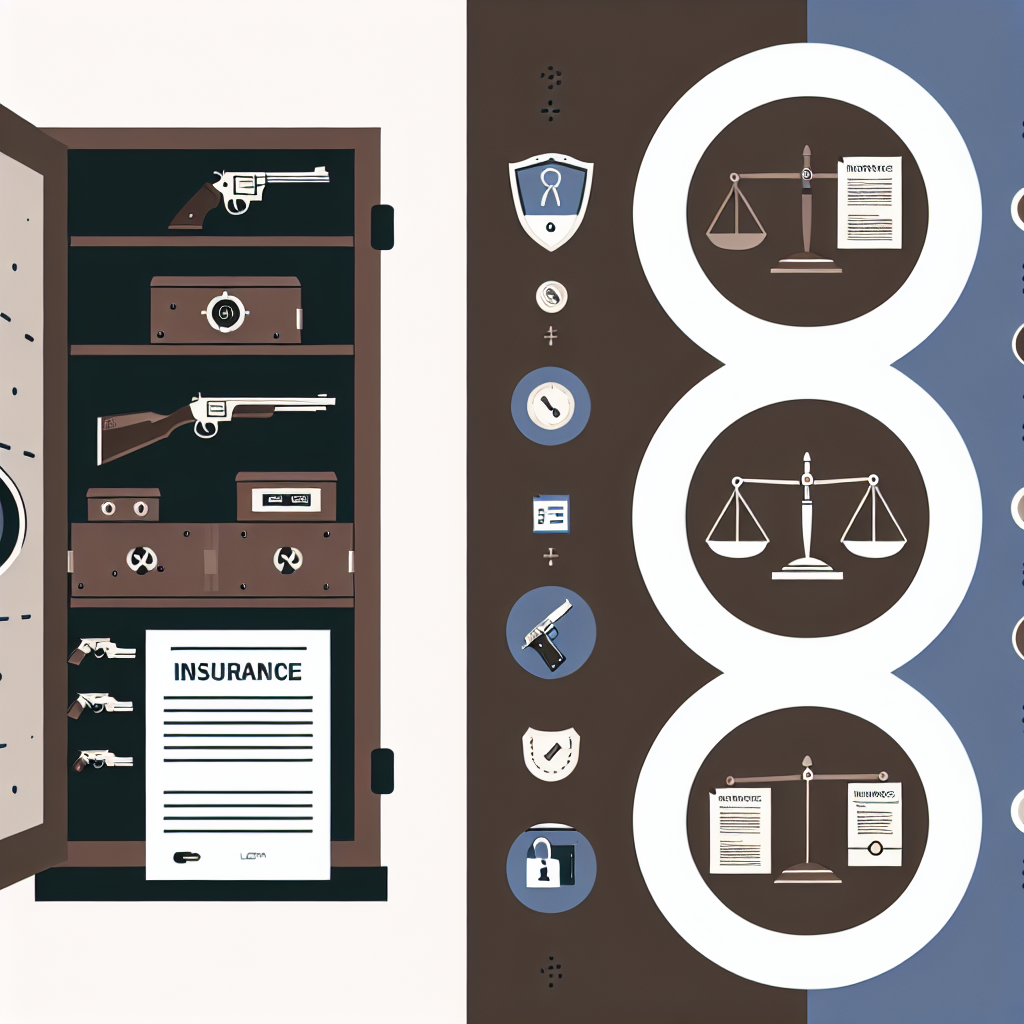
Collecting firearms is a passion shared by many enthusiasts worldwide. Whether you are an avid hunter, a competitive shooter, or a collector of historical weapons, protecting your investment is crucial. Firearms are not only valuable in monetary terms but often hold sentimental value and represent a significant part of family heritage or personal history. Insuring your firearm collection properly ensures peace of mind in case of theft, damage, or loss.
This article provides comprehensive tips on how to effectively insure your firearm collection. We will explore the nuances of firearm insurance, the types of coverage available, and practical steps to safeguard your collection. By the end, you will have a clear understanding of how to protect your firearms with the right insurance strategy.
Understanding Firearm Insurance: Why It’s Essential
Many gun owners assume their standard homeowners or renters insurance policy automatically covers their firearms, but this is often not the case. Standard policies typically have limited coverage for firearms or may exclude them altogether. This leaves collectors vulnerable in case of loss due to theft, fire, or accidental damage.
According to the National Crime Victimization Survey (NCVS), approximately 350,000 firearms are stolen annually in the United States alone. Without proper insurance coverage, replacing these lost assets can be financially devastating.
Additionally, firearm collections can appreciate over time—especially rare or antique models—making it even more important to have specialized insurance that reflects their true value rather than just their purchase price.
- Replacement cost vs. actual cash value: Many standard policies reimburse based on actual cash value (depreciated amount), which may not cover replacement costs adequately.
- Specialized coverage: Firearm insurance policies often cover theft, accidental damage, loss during transit, and even mysterious disappearance.
- Liability protection: Some policies also offer liability coverage in case someone is injured while using your firearms under certain conditions.
Types of Insurance Policies Suitable for Firearm Collections
When it comes to insuring firearms, there are several options available depending on the size and value of your collection and your specific needs.
1. Homeowners or Renters Insurance Endorsements
You can add a rider or endorsement specifically for firearms to your existing homeowners or renters policy. This usually increases your coverage limit for guns beyond what’s included in the base policy.
- Pros: Convenient and often cheaper than standalone policies; integrates with existing home insurance.
- Cons: May have coverage limits per firearm or overall; some insurers exclude certain types of guns like automatic weapons.
2. Specialized Firearm Insurance Policies
Several insurers offer dedicated firearm insurance products tailored specifically for gun collectors and enthusiasts. Companies such as Lockton Affinity (Gun Owners Insurance), Collector’s Insurance Services, and others provide comprehensive plans that cover a wide range of risks.
- Pros: Coverage designed for firearms including theft, damage during transport, mysterious disappearance; higher limits available; flexible valuation methods (appraised value).
- Cons: Premiums may be higher than endorsements; application process may require detailed inventory and appraisals.
3. Scheduled Personal Property Insurance
This type of policy allows you to “schedule” individual items like firearms with appraised values attached to each piece. This ensures precise coverage for each item rather than a lump sum total.
- Pros: Accurate valuation; protects high-value or rare pieces effectively; usually offers broader perils covered than standard policies.
- Cons: Requires detailed documentation and periodic updates; more costly if you have many items to schedule individually.
The Importance of Accurate Valuation and Documentation
A critical aspect of insuring any valuable collection is having an accurate valuation and thorough documentation. Underinsuring your collection can leave you with insufficient funds to replace lost items after a claim.
Conduct Professional Appraisals
A licensed appraiser familiar with firearms can provide an objective valuation based on current market trends, rarity, condition, and provenance. This is especially important for antique guns or limited-edition models whose values fluctuate significantly over time.
Create Detailed Inventories
An inventory should include:
- Description: Make/model, caliber, serial number
- Date and place of purchase
- Purchase price and appraised value
- Date of appraisal
- Photographs from multiple angles showing condition clearly
This documentation not only supports insurance claims but also helps deter theft by proving ownership unequivocally.
The Role of Periodic Updates
The value of firearms can appreciate rapidly due to market demand or historical significance changes. It’s advisable to update appraisals every few years or whenever you acquire new pieces to ensure your policy reflects current values accurately.
Security Measures That Can Lower Your Premiums
Your insurer may offer reduced premiums if you demonstrate robust security measures that lower risk exposure. These measures also protect your collection from theft or accidental damage outside insurance considerations.