Understanding Firearm Markings and Stamps
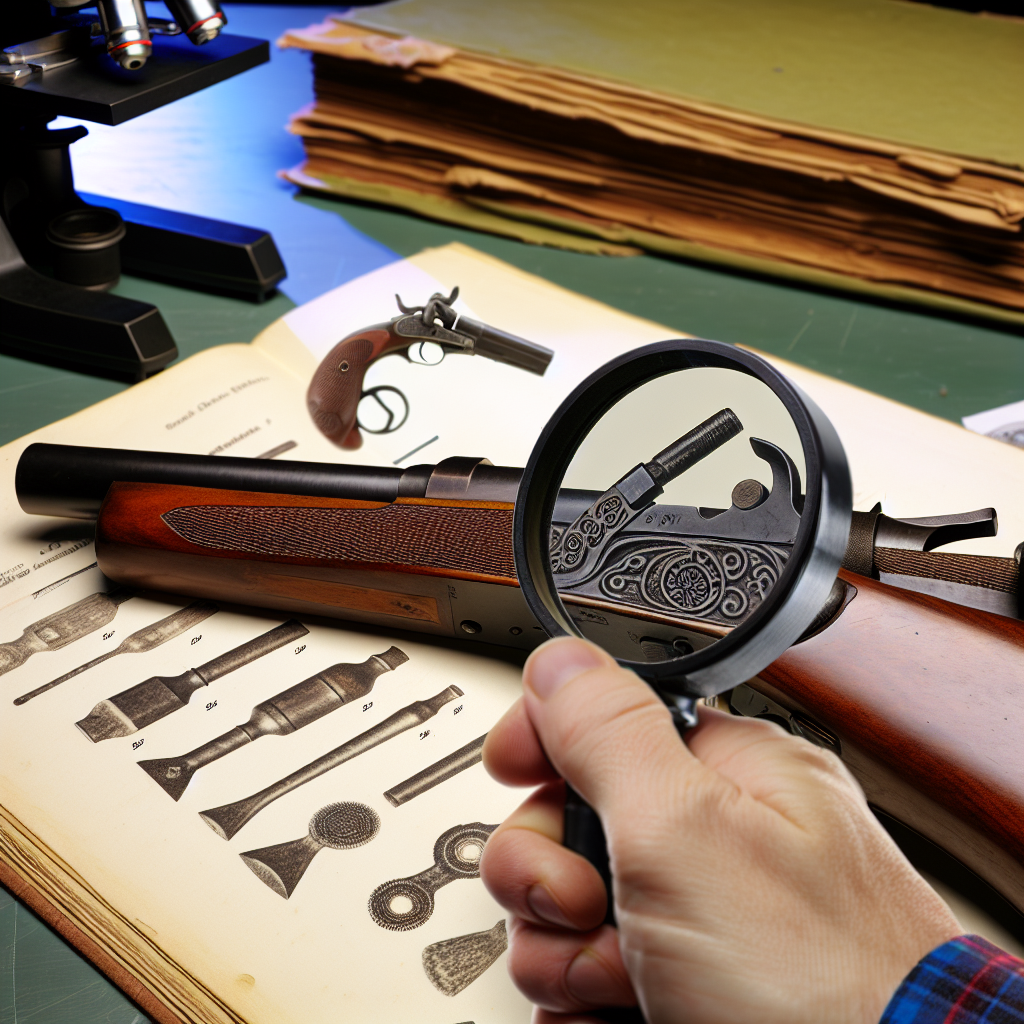
Firearm markings and stamps are essential elements that provide crucial information about a firearm’s origin, authenticity, manufacturing details, and legal status. For collectors, law enforcement, historians, and enthusiasts alike, understanding these markings is vital to accurately identify, classify, and evaluate firearms. This article delves into the various types of firearm markings and stamps, their significance, historical context, and how they impact the legal and collectible value of firearms.
The Importance of Firearm Markings
Firearm markings serve multiple purposes beyond mere decoration. They act as identifiers that convey information such as the manufacturer, model, caliber, serial number, proofing status, and sometimes ownership or military service. These markings are often legally mandated and can be pivotal in criminal investigations or forensic analysis.
Moreover, for collectors and historians, markings offer a window into the firearm’s production era and provenance. This helps in authenticating the weapon and understanding its historical significance.
- Identification: Manufacturer name or logo, model designation.
- Traceability: Serial numbers enable tracking for ownership history.
- Safety Assurance: Proof marks indicate testing for reliability.
- Legal Compliance: Compliance stamps ensure adherence to national laws.
- Cultural/Historical Value: Military acceptance marks or unit stamps.
Common Types of Firearm Markings
Firearm markings can be broadly categorized based on their purpose and location on the gun. Understanding these categories aids in recognizing what each marking signifies.
Manufacturer’s Markings
This is typically the most prominent set of markings on a firearm. It includes the manufacturer’s name or trademark logo engraved or stamped on the receiver or barrel. For example, “Colt,” “Smith & Wesson,” or “FN Herstal” are common manufacturer markings that immediately identify the origin of the firearm.
The manufacturer marking often includes additional details such as:
- Model Number/Name: For instance, “M1911” for Colt’s iconic pistol model.
- Caliber/Chambering: Indicates ammunition size compatibility (e.g., “9mm Luger,” “.308 Winchester”).
- Date of Manufacture: Sometimes included as part of the serial number or separately stamped.
Serial Numbers
The serial number is a unique alphanumeric code assigned to each firearm during manufacture. This number is crucial for traceability and legal registration in many countries. The serial number allows authorities to track the firearm’s history from production through sales to end-users.
An example case study illustrating the importance of serial numbers occurred during investigations of illegal arms trafficking where tracing serial numbers helped dismantle smuggling rings by linking recovered weapons back to their point of origin.
Proof Marks
Proof marks indicate that a firearm has undergone testing at an official proof house to verify its safety standards. These tests often involve firing proof rounds at higher pressures than standard ammunition to ensure structural integrity under stress.
Proof marks vary by country but typically include symbols representing the proof house along with date codes. For example:
- Birmingham Proof House (UK): Crown over “BNP” mark signifies British nitro proofed firearms.
- CIP Proof Marks (Europe): Various symbols indicating compliance with Commission Internationale Permanente standards.
- CERAKOTE Certified Marks (US): Some modern manufacturers include proprietary proofing marks related to coatings or treatments.
MILITARY AND ACCEPTANCE MARKS
A firearm’s military history is often revealed through acceptance stamps applied by armed forces after rigorous inspection before issue. These can be unit insignias, government proofs, or inspector initials stamped on receivers or barrels.
An illustrative example is the German Mauser rifles from World War II bearing Waffenamt stamps — eagle symbols with numerical codes indicating inspection offices within Nazi Germany’s military bureaucracy. Collectors highly value these marks for their historical context.
CUSTOM OR OWNER MARKINGS
Beyond factory-applied stamps, many firearms bear custom engravings or owner-applied marks. These might include unit designations from veterans’ groups, commemorative inscriptions, or personalized initials engraved post-manufacture.
This type of marking can add sentimental or collectible value but may also complicate authentication if not properly documented.
The Legal Aspect: Compliance Markings on Firearms
Laws governing firearms vary widely worldwide but almost universally require certain mandatory markings for identification and regulation purposes. Failure to comply with these requirements can lead to confiscation or criminal charges.
- NFA Stamp (USA): Firearms regulated under the National Firearms Act—such as silencers or short-barreled rifles—must bear an approved tax stamp issued by the Bureau of Alcohol Tobacco Firearms and Explosives (ATF).
- CETME Stamp (Spain): Indicates Spanish government approval for military use on certain assault rifles like CETME models used by NATO forces.
- SANCTIONED Import Stamps: Many countries
SANCTIONED Import Stamps: Many countries require specific import markings to indicate that a firearm has been legally imported and meets local regulations. Understanding these markings is crucial for collectors and enthusiasts alike.
In summary, firearm markings and stamps play a vital role in identification, regulation, and the overall value of firearms.