How to Care for Leather Accessories on Antique Guns
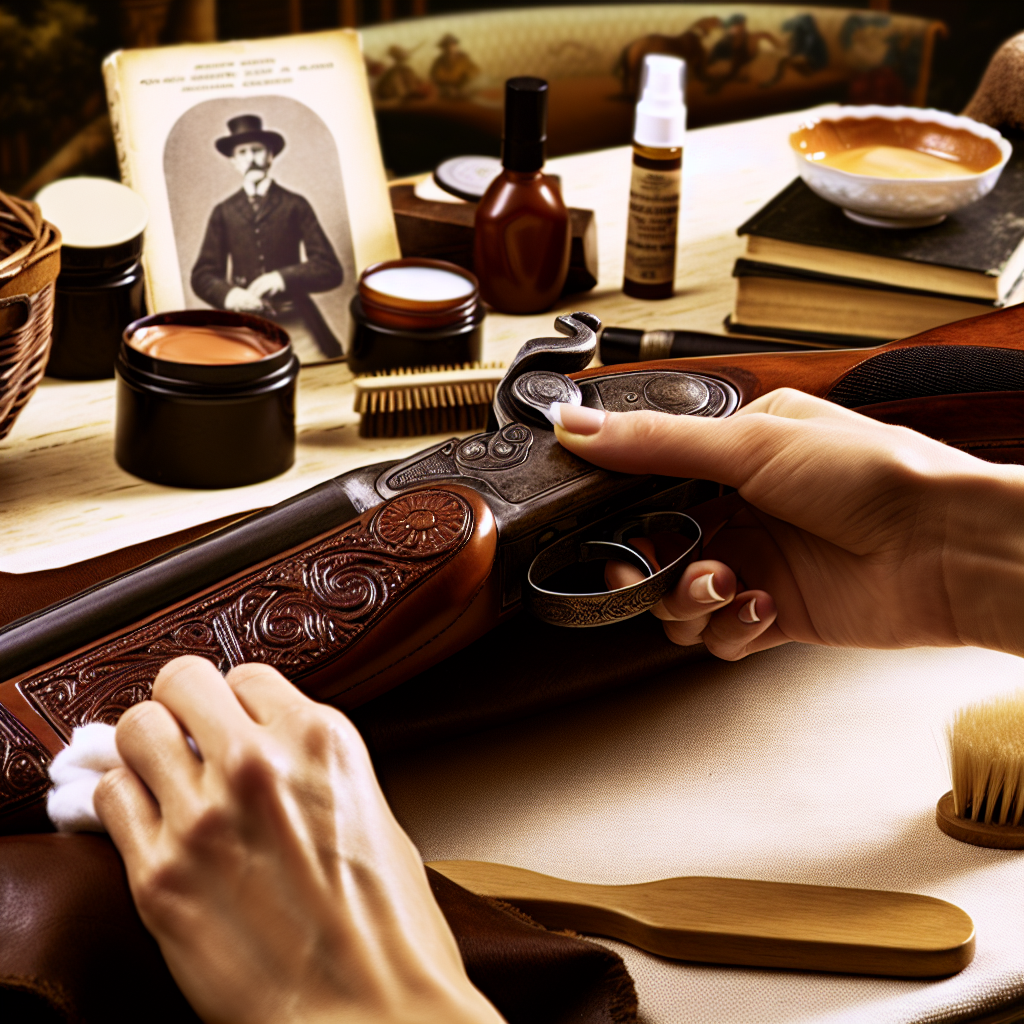
Antique firearms are more than just weapons; they are historical artifacts that offer a tangible connection to the past. Many antique guns come equipped with leather accessories such as slings, holsters, or cartridge pouches, which not only enhance their aesthetic appeal but also serve functional purposes. Proper care of these leather components is essential to preserve their integrity and value over time.
This comprehensive guide delves into effective methods and best practices for maintaining leather accessories on antique guns. Whether you are a seasoned collector or a passionate enthusiast, understanding how to care for these delicate materials will help ensure your treasured pieces remain in excellent condition for generations to come.
Understanding the Importance of Leather Care on Antique Guns
Leather has been used for centuries in firearm accessories due to its durability, flexibility, and classic appearance. However, unlike modern synthetic materials, leather is organic and susceptible to damage from environmental factors such as moisture, heat, and UV light.
Neglecting leather care can lead to issues like cracking, drying, mold growth, and discoloration. For antique firearms, where originality significantly impacts value, poorly maintained leather can drastically reduce both aesthetic appeal and market worth.
According to a 2021 survey by the National Rifle Association (NRA), over 65% of antique gun collectors prioritize preservation techniques that include leather care. This statistic underscores the growing recognition of leather’s role in firearm conservation.
Common Types of Leather Used in Antique Gun Accessories
Before diving into care routines, it’s crucial to recognize the types of leather commonly found on antique gun accessories. Each type requires slightly different treatment due to its unique characteristics:
- Vegetable-Tanned Leather: This traditional tanning method uses natural tannins from tree bark and plants. It ages beautifully but is more vulnerable to drying and cracking without proper conditioning.
- Chrome-Tanned Leather: Introduced in the late 19th century, this process uses chromium salts for faster tanning. It is softer and more water-resistant but may not age as well as vegetable-tanned leather.
- Oil-Tanned Leather: Treated with oils during tanning, this leather is supple and water-resistant, commonly found in holsters designed for rugged use.
Knowing the type of leather helps tailor maintenance efforts effectively.
Step-by-Step Guide to Cleaning Leather Accessories
Cleaning is the foundational step in leather care. The goal is to remove dirt and contaminants without stripping natural oils or damaging the surface.
Materials Needed:
- Mild saddle soap or specialized leather cleaner
- Soft cloths (lint-free)
- Soft-bristled brush (optional)
- Lukewarm water
Cleaning Procedure:
- Remove Dust and Loose Dirt: Use a dry soft cloth or brush to gently wipe away any dust particles from the surface.
- Dampen Cloth Slightly: Lightly moisten a cloth with lukewarm water; avoid soaking it.
- Apply Cleaner Sparingly: Use a small amount of saddle soap or cleaner on the damp cloth and work it into a lather by rubbing gently on the leather surface.
- Clean Surface Gently: Wipe down the entire leather accessory using circular motions. Pay special attention to creases or stitching areas where dirt accumulates.
- Remove Residue: Rinse the cloth with clean water and wipe away any soap residue carefully.
- Dry Naturally: Allow the leather to air dry at room temperature away from direct sunlight or heat sources which can cause drying out or warping.
Avoid using harsh detergents or excessive water during cleaning as these can degrade the leather fibers irreversibly.
The Role of Conditioning: Replenishing Essential Oils
Cleansing alone isn’t sufficient; conditioning is vital for replenishing oils lost over time through exposure or handling. Conditioners prevent stiffness and cracking by maintaining moisture balance within the leather structure.
Selecting an Appropriate Conditioner
The market offers numerous products designed specifically for antique or fine leathers. Popular choices include neatsfoot oil-based conditioners, mink oil blends, and beeswax-enriched creams. When selecting a conditioner:
- Avoid petroleum-based products which can darken or weaken leather fibers over time.
- Select conditioners labeled safe for antique leathers to prevent chemical reactions with old tanning agents.
- If unsure about compatibility, test conditioner on an inconspicuous area first before full application.
Application Technique
- Dab Conditioner Sparingly: Using a soft cloth or sponge, apply a thin layer evenly across the surface.
- Masse Carefully: Rub gently into the grain using circular motions until fully absorbed.
- Allow Time To Penetrate: Leave conditioned items undisturbed for several hours or overnight for deep absorption.
- Bake Off Excess Oil: Buff with a clean dry cloth afterward
to remove any excess oil and restore the leather’s natural sheen. Regular maintenance will ensure that your antique leather accessories remain in excellent condition for years to come.