Collecting Firearms from the Vietnam War Era
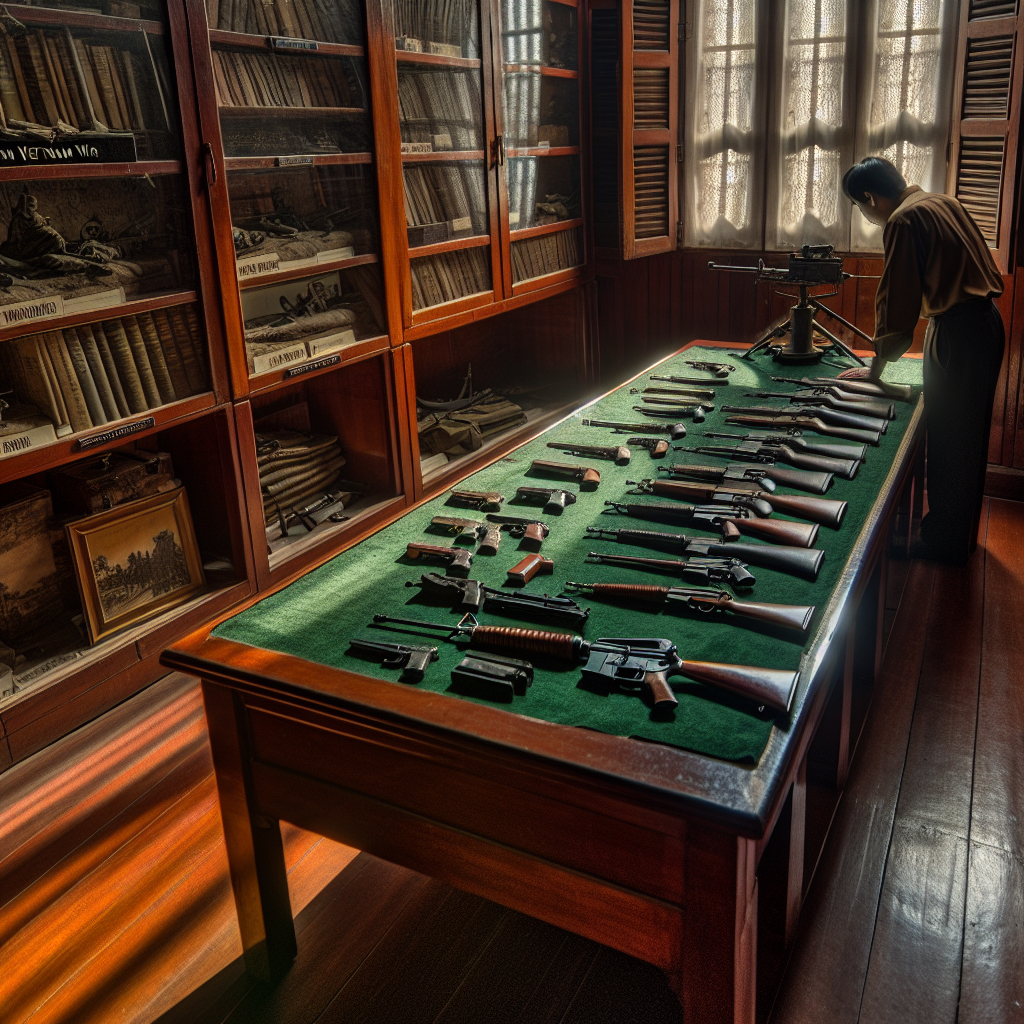
The Vietnam War, spanning from the late 1950s to 1975, was one of the most significant conflicts of the 20th century. It not only shaped global politics but also left behind a remarkable legacy in military technology, especially firearms. Collecting firearms from the Vietnam War era has become a popular pursuit among historians, enthusiasts, and collectors worldwide. These weapons carry stories of bravery, innovation, and historical importance that transcend their utilitarian purpose.
This article explores the fascinating world of collecting Vietnam War-era firearms, providing insights into their history, types, challenges in collecting, legal considerations, and tips for acquiring these iconic pieces.
The Historical Significance of Vietnam War Firearms
The Vietnam War was a unique conflict characterized by guerrilla warfare, jungle combat, and rapid technological advancements. Firearms from this period reflect these conditions and innovations. Unlike previous wars where bolt-action rifles dominated, the Vietnam War saw widespread use of semi-automatic and automatic weapons designed for close-quarter combat and rapid firepower.
Some key points about the historical context include:
- Shift in Warfare Tactics: The dense jungles required lightweight, reliable weapons with high rates of fire to counter ambushes and guerrilla tactics.
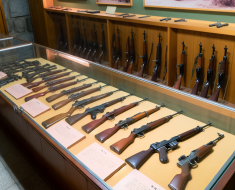
- Technological Innovation: The introduction of assault rifles like the M16 revolutionized infantry weaponry.
- Diverse Arsenal: Both sides used a mix of American-made firearms and captured or locally produced weapons like the AK-47 and SKS rifles.
Collecting these firearms offers a tangible connection to this pivotal era in military history.
Iconic Firearms of the Vietnam War Era
Several firearms have become synonymous with the Vietnam War due to their widespread use and historical impact. Understanding these weapons is essential for any collector interested in this period.
M16 Rifle
The M16 rifle is arguably the most iconic firearm associated with the Vietnam War. Introduced by the U.S. military in the early 1960s as a replacement for the M14 rifle, it became standard issue for American troops by mid-war.
- Design Features: Lightweight aluminum construction, 5.56x45mm caliber rounds, selective fire capability (semi-auto and full-auto).
- Historical Impact: Its introduction marked a shift toward smaller caliber rounds with higher velocity and greater ammunition capacity.
- Variants: Early models include the XM16E1 and later M16A1 versions used extensively during combat operations.
The M16’s significance is underscored by its continued use and evolution in modern military forces worldwide.
AK-47
The AK-47 was widely used by North Vietnamese forces and Viet Cong guerrillas during the war. Known for its ruggedness and reliability under harsh conditions, it became one of the most recognizable symbols of communist resistance.
- Design Features: Chambered in 7.62x39mm with a simple gas-operated mechanism ensuring durability.
- Cultural Impact: Often depicted in war media as a symbol of insurgency and anti-imperialist struggle.
- Variants: Numerous variants were supplied by Soviet allies to communist forces throughout Southeast Asia.
M60 Machine Gun
The M60 machine gun served as an infantry support weapon for American troops. It combined portability with significant firepower to suppress enemy positions effectively.
- Caliber & Range: Fired 7.62x51mm NATO rounds with an effective range up to 1,100 meters.
- Tactical Role: Provided squad-level automatic fire support during patrols and defensive actions.
This weapon remains highly collectible due to its distinctive role in many famous battles throughout the war.
The Challenges of Collecting Vietnam War-Era Firearms
Collecting firearms from this era is both rewarding and complex. Several factors make it challenging but also enrich the collecting experience.
- Authenticity Verification: Due to extensive reproduction efforts globally, verifying original manufacture dates and markings is critical to avoid fakes or post-war reproductions.
- Condition Variability: Many wartime firearms were subjected to harsh environments; finding examples in good condition can be difficult.
- Lack of Documentation: Provenance can be scarce because many weapons changed hands multiple times through combat or black market channels.
- Diverse Origins: Weapons come from various manufacturers worldwide (American, Soviet-bloc countries, Chinese), each with unique markings requiring specialized knowledge for identification.
A successful collector must invest time researching serial numbers, manufacturer codes, original accessories (such as magazines or slings), and historical context to establish authenticity and value accurately.
Navigating Legal Considerations When Collecting Vietnam War Firearms
The legal landscape surrounding firearm collection varies significantly depending on jurisdiction.
of being fired. Understanding these regulations is essential to ensure compliance and avoid legal issues.
In conclusion, thorough research and awareness of legalities are vital for anyone looking to collect firearms from this historically significant era.