Collecting Rare WWII Firearms: What You Need to Know
World War II was a defining moment in global history, and its weapons have become highly sought-after artifacts for collectors worldwide. The firearms used during this period not only symbolize technological innovation and military strategy but also serve as tangible connections to the past. Collecting rare WWII firearms is a fascinating hobby that combines history, mechanics, and the thrill of the hunt. However, it requires careful knowledge, legal awareness, and a commitment to preservation.
This article delves into everything you need to know about collecting rare WWII firearms, from understanding their historical significance to navigating legal hurdles and maintenance tips.
The Historical Significance of WWII Firearms
World War II saw tremendous advancements in firearm technology. The conflict spanned multiple continents and involved countless nations, each contributing unique designs and innovations. Collectors often seek these weapons not only for their rarity but also for the stories they embody.
Some iconic firearms from WWII include:
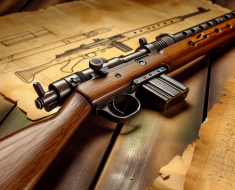
- M1 Garand: The standard-issue rifle for U.S. forces, known for its reliability and semi-automatic capability. General George S. Patton famously called it “the greatest battle implement ever devised.”
- MP40: A German submachine gun widely used by Wehrmacht troops; recognized for its compactness and ease of use in urban warfare.
- Lee-Enfield No. 4 Mk I: The British bolt-action rifle that was both accurate and rugged.
- Type 99 Arisaka: A Japanese bolt-action rifle noted for its durability and unique design features such as the anti-aircraft sights.
The historical significance of these firearms adds layers of meaning beyond their mechanical function. Owning a rare WWII firearm can be akin to holding a piece of living history—a testament to the bravery, innovation, and sacrifices made during one of the most turbulent periods in modern history.
Understanding Rarity: What Makes a WWII Firearm “Rare”?
Not all WWII firearms are created equal when it comes to rarity. Several factors influence how rare or valuable a firearm might be:
- Production Numbers: Limited production runs or prototypes tend to be more valuable due to scarcity. For example, fewer than 50 units of some experimental weapons were made during the war.
- Condition: Firearms preserved in excellent condition with original parts typically command higher prices than those heavily worn or modified.
- Manufacturer Variants: Some models have variants produced by different manufacturers or countries under license that may be rarer.
- Historical Use: Guns with verifiable battlefield provenance or those linked to famous battles or soldiers hold special appeal.
- Markings & Serial Numbers: Unique markings, such as unit stamps or limited series serial numbers, can increase collectibility.
A prime example is the German Walther P38 pistol produced in early war years versus late-war variants made under resource constraints; early versions tend to fetch higher prices among collectors.
Navigating Legal Considerations When Collecting WWII Firearms
The legal landscape surrounding firearm collection varies widely by country and even within regions of countries. Collecting WWII firearms involves understanding these laws thoroughly to ensure compliance.
Key legal considerations include:
- Registration Requirements: Many countries require collectors to register antique or military firearms with local authorities.
- Laws on Fully Automatic Weapons: Some WWII firearms were originally fully automatic (e.g., the German MG42 machine gun). These are heavily regulated or banned in many jurisdictions unless demilitarized or converted to semi-automatic operation.
- Demonetization & Deactivation Standards: In some cases, firearms must be deactivated according to strict criteria before being sold or imported legally as collectibles.
- Ammunition Restrictions: Certain calibers used during WWII may be restricted or require special permits due to their military association.
- Import/Export Controls: Transporting rare weapons across borders usually requires documentation such as import/export licenses and compliance with international treaties like the UN Firearms Protocol.
An important case study is the United States’ National Firearms Act (NFA), which regulates machine guns, short-barreled rifles, and suppressors—many relevant categories for WWII collectors. Purchasing an original Thompson submachine gun, for example, requires an extensive background check and tax stamp application process that can take months or years.
Tips for Authenticating & Verifying Rare WWII Firearms
The market for rare WWII firearms can sometimes attract counterfeit items or heavily modified replicas designed to deceive buyers. Authenticity is crucial both for safety reasons and investment value. Here are essential tips for verifying authenticity:
- Sourcing from Reputable Dealers & Auctions: Established dealers specializing in military antiques often provide certificates of authenticity backed by expert appraisals.
- Keen Inspection of Markings & Serial Numbers: Cross-reference serial numbers with manufacturer records where available; look for matching parts numbers on components like barrels and receivers.
- Poor Quality Repairs & Modifications as Red Flags:</
Poor Quality Repairs & Modifications as Red Flags: Look for signs of poor craftsmanship that may indicate a firearm has been altered or tampered with, which can significantly affect its value.
By following these guidelines, you can enhance your chances of building a valuable and authentic WWII firearms collection.