How to Use Tactical Knives in Self-Defense
In an unpredictable world, personal safety has become a paramount concern for many individuals. Among the various tools available for self-defense, tactical knives stand out due to their portability, versatility, and effectiveness. However, using a tactical knife effectively and responsibly requires knowledge, skill, and understanding of both the legal and practical aspects involved. This article explores how to use tactical knives in self-defense, providing insights into choosing the right knife, fundamental techniques, legal considerations, and real-world examples that underscore their importance.
Understanding Tactical Knives: What Sets Them Apart?
Before diving into how to use tactical knives for self-defense, it’s essential to understand what makes them distinct from other types of knives. Tactical knives are specifically designed for military, law enforcement, or survival purposes. They emphasize durability, ease of use under stress, and multifunctionality.
- Blade Design: Typically features a sharp, pointed tip with a partially serrated edge to handle diverse tasks.
- Ergonomics: Handles are designed for secure grip even in wet or slippery conditions.
- Durability: Made from high-quality steel with corrosion-resistant coatings.
- Portability: Compact size and lightweight design for easy carry and quick deployment.
The combination of these features makes tactical knives ideal for defensive scenarios where quick reaction and reliability can make a critical difference.
Choosing the Right Tactical Knife for Self-Defense
Selecting the appropriate tactical knife is crucial because it directly impacts your ability to defend yourself effectively. Here are some key factors to consider when choosing a tactical knife:
- Blade Length: Generally between 3 to 5 inches is optimal — long enough to be effective but short enough for control in close quarters.
- Blade Type: Tanto and drop-point blades are popular for tactical use due to their strength and piercing capabilities.
- Handle Material: Materials like G-10 or rubberized grips provide better control compared to smooth metal handles.
- Folding vs. Fixed Blade: Fixed blades offer greater strength but folding knives are easier to carry discreetly.
- Easiness of Deployment: Assisted-opening or manual flippers allow rapid access under stress.
A well-chosen tactical knife balances concealability with readiness and durability. For example, many law enforcement officers prefer fixed-blade tactical knives with non-reflective coatings for stealth operations.
Tactical Knife Techniques: Basic Skills for Effective Defense
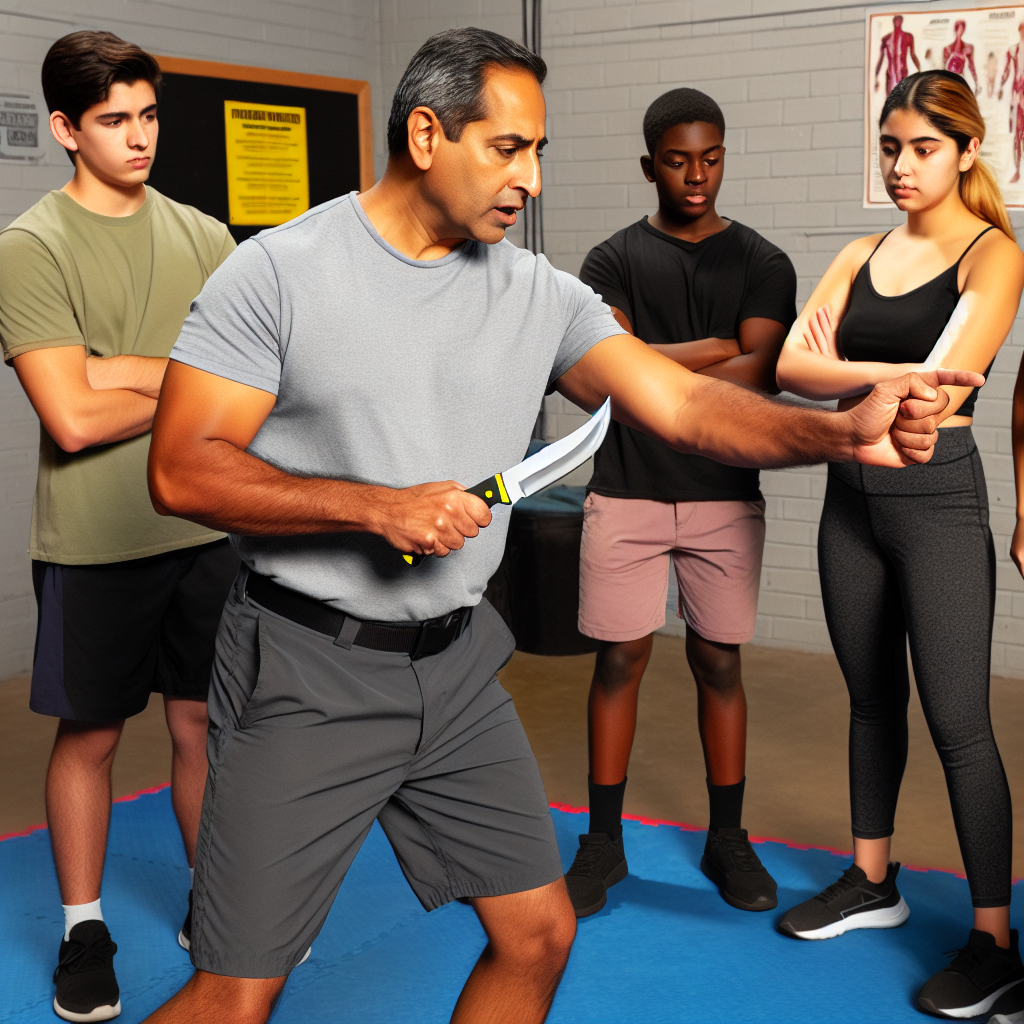
Possessing a quality tactical knife is only part of the equation; mastering techniques is essential for effective self-defense. Training should focus on both offensive maneuvers and defensive positioning to maximize safety and control during confrontations.
Grip and Handling
The foundation of any knife technique lies in the grip. A secure grip minimizes the risk of losing control or having the weapon taken away by an attacker. Common grips include:
- Punch Grip (Hammer Grip): The blade extends from the thumb side of the fist; useful for powerful thrusts or slashes.
- Reverse Grip (Ice Pick Grip): The blade protrudes from the bottom of a clenched fist; advantageous in close-quarters combat where downward strikes dominate.
The choice between grips depends on personal comfort and situational demands. Practicing both grips enhances adaptability under pressure.
Striking Techniques
Tactical knife defense prioritizes disabling or deterring an attacker quickly rather than prolonged combat. Key striking targets include soft tissue areas such as:
- The neck (carotid artery)
- The wrist (to disable weapon hand)
- The thigh (femoral artery)
- The abdomen (to create space)
Certain movements such as quick slashes across tendons or thrusts aimed at vital points can incapacitate an assailant effectively. However, practitioners must always be aware that using lethal force carries significant ethical and legal consequences.
Defensive Maneuvers
A good defender uses the knife not only offensively but also defensively by:
- Parrying attacks: Using the blade or flat side of the knife to block incoming strikes or grabs.
- Maneuvering body position: Maintaining balance while evading strikes reduces vulnerability.
- Counters against disarm attempts: Protecting your wrist or hand during close contact prevents losing control over your weapon.
A strong emphasis on situational awareness combined with practiced defensive moves increases survivability during violent encounters.
The Legal Landscape: Understanding Knife Laws in Self-Defense Contexts
An often overlooked but critically important aspect of carrying and using tactical knives in self-defense is legality. Knife laws vary widely depending on jurisdiction — what is permissible in one state or country might be illegal in another. Failure to understand these laws can lead to criminal charges even if you were defending yourself legitimately.
-
Certain blade lengths may be restricted, and specific types of knives may be prohibited altogether. It’s essential to research and understand the laws in your area to ensure you are compliant while protecting yourself.
In conclusion, being informed about both the tactical use of knives and the legal implications is crucial for effective self-defense.