How to Use Tactical Gear in Urban Environments
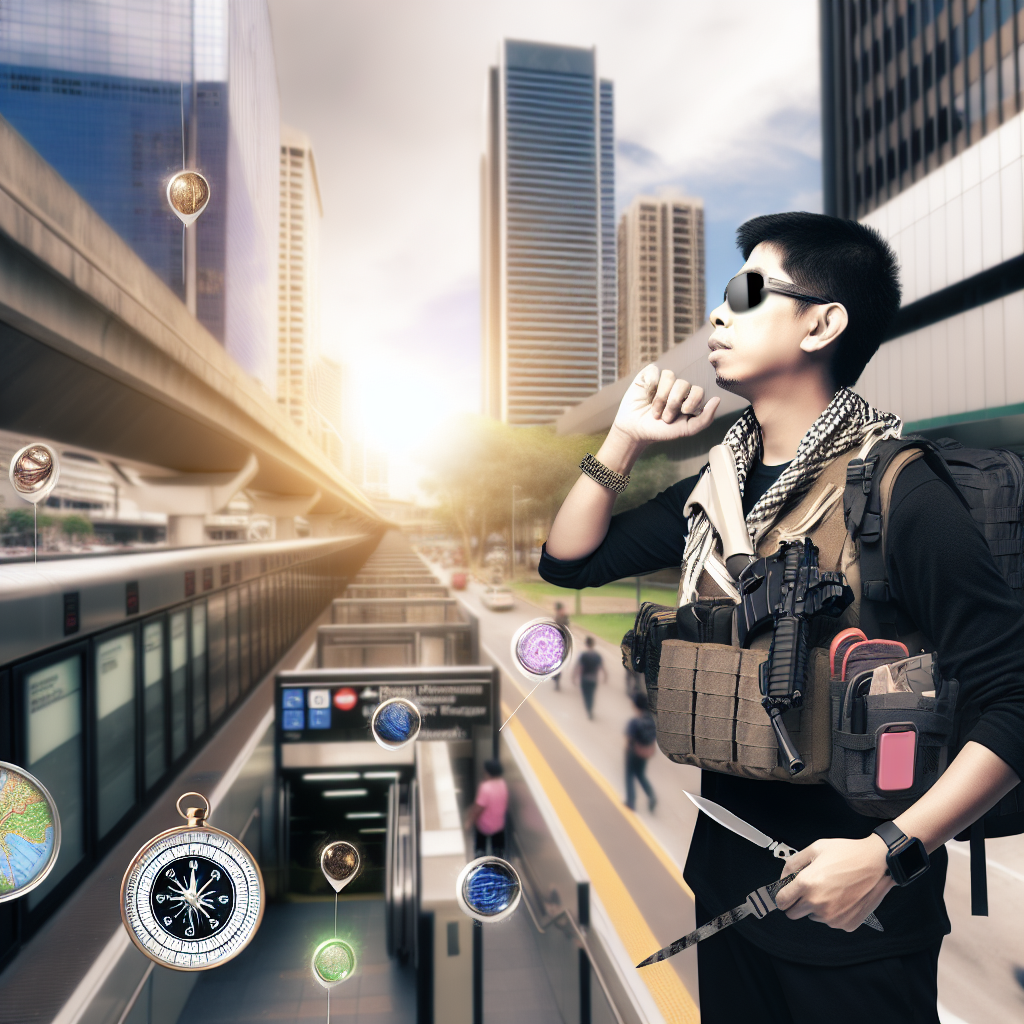
In recent years, the use of tactical gear has extended beyond military and law enforcement circles into civilian applications such as personal security, outdoor activities, and urban preparedness. Urban environments present unique challenges and opportunities for the effective deployment of tactical gear. Whether you are a first responder, security professional, or a civilian preparing for emergencies, understanding how to use tactical gear efficiently in city settings is crucial for safety and operational success.
Understanding Tactical Gear: What It Is and Why It Matters in Cities
Tactical gear refers to specialized equipment designed for enhanced performance, protection, and utility during demanding situations. This can include clothing, body armor, communication devices, tools, backpacks, and weapons accessories. In urban environments—characterized by dense populations, complex infrastructure, and unpredictable dynamics—tactical gear must be adapted to address specific challenges such as confined spaces, variable lighting conditions, and rapid threat escalation.
According to a 2022 study by the National Institute of Justice (NIJ), officers equipped with modern tactical vests experienced a 30% reduction in injury rates during urban engagements compared to those without advanced gear. This statistic highlights the critical role tactical equipment plays in enhancing survivability and effectiveness.
- Protection: Body armor and helmets help mitigate risks from firearms or blunt force trauma common in close-quarters urban incidents.
- Mobility: Lightweight, ergonomic designs enable quick movement through crowded or constrained areas.
- Communication: Radios and headsets facilitate coordination in environments where verbal communication may be difficult.
- Utility: Tools such as multi-tools, flashlights, and breaching equipment support various tasks from navigation to forced entry.
Selecting the Right Tactical Gear for Urban Settings
The selection process should prioritize versatility, comfort, concealability, and adaptability. Unlike rural or wilderness scenarios where heavy-duty gear might be necessary for rugged terrain or extreme weather, urban gear must balance protection with practicality.
Key considerations include:
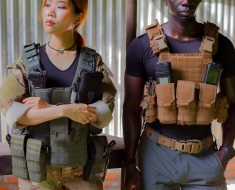
- Body Armor: In cities, lightweight plate carriers with Level IIIA ballistic panels often provide sufficient protection against handgun threats while allowing agility.
- Tactical Clothing: Clothing with moisture-wicking properties and reinforced seams can withstand abrasive surfaces like concrete while keeping the wearer comfortable during long shifts.
- Footwear: Urban operations demand durable yet flexible boots that provide ankle support on hard surfaces without sacrificing speed.
- Pouches and Load-Bearing Equipment: Modular systems such as MOLLE (Modular Lightweight Load-carrying Equipment) enable customized setups tailored to mission requirements.
- Lighting Tools: Compact flashlights with adjustable beams aid navigation in poorly lit buildings or alleyways.
A practical example is the New York Police Department’s transition to using lighter plate carriers combined with tactical pants featuring reinforced knees—this combination improved officer mobility during rapid response calls in congested areas without compromising safety.
Effective Use of Tactical Gear in Urban Operations
The successful application of tactical gear requires not only quality equipment but also proper training and situational awareness. Here are several tactics for optimizing your gear usage within cities:
1. Concealment vs. Visibility
Tactical gear can be bulky or visually intimidating. Depending on the context—such as undercover operations versus overt security patrols—gear must be adjusted accordingly. For covert tasks, consider low-profile vests that fit under jackets or covert belts carrying essential tools discreetly.
2. Navigating Confined Spaces
Narrow hallways, stairwells, subways tunnels, and elevators are common in urban landscapes. Bulkier gear might hinder movement; hence lightweight materials combined with adjustable harnesses help maintain flexibility. Additionally:
- Avoid overloading pouches to prevent snagging on door frames or railings.
- Practice drawing weapons or tools swiftly within tight quarters.
- Use low-light illumination tools like weapon-mounted lights rather than handheld flashlights to keep hands free.
3. Communication Protocols
Cities often have high radio traffic interference due to dense infrastructure. Investing in encrypted digital radios with noise-canceling headsets can improve clarity and security. Coordination between team members using pre-established signals reduces misunderstandings during critical moments.
4. Adaptability for Multiple Scenarios
Tactical operators often face diverse situations—from crowd control at protests to hostage rescues in office buildings. Modular gear allows quick reconfiguration; for example:
- Add or remove ballistic plates depending on threat level assessments.
- Switch between different types of gloves (tactical vs. cut-resistant) based on task requirements.
- Cargo backpacks can be swapped out for smaller sling bags when stealth is paramount.
The Role of Technology Integration in Urban Tactical Gear
The advent of smart technology has revolutionized how tactical gear functions in urban environments. Modern innovations include body cameras with live streaming capabilities that enhance accountability and evidence collection during operations.
According to a report by the Police Executive Research Forum (PERF) from 2023, agencies implementing body-worn cameras saw a 15% decrease in use-of-force incidents, highlighting the importance of technology in enhancing transparency and accountability.
Incorporating these advancements into tactical operations not only improves effectiveness but also fosters trust between law enforcement and the communities they serve.