How to Survive a Tactical Ambush: Essential Strategies and Insights
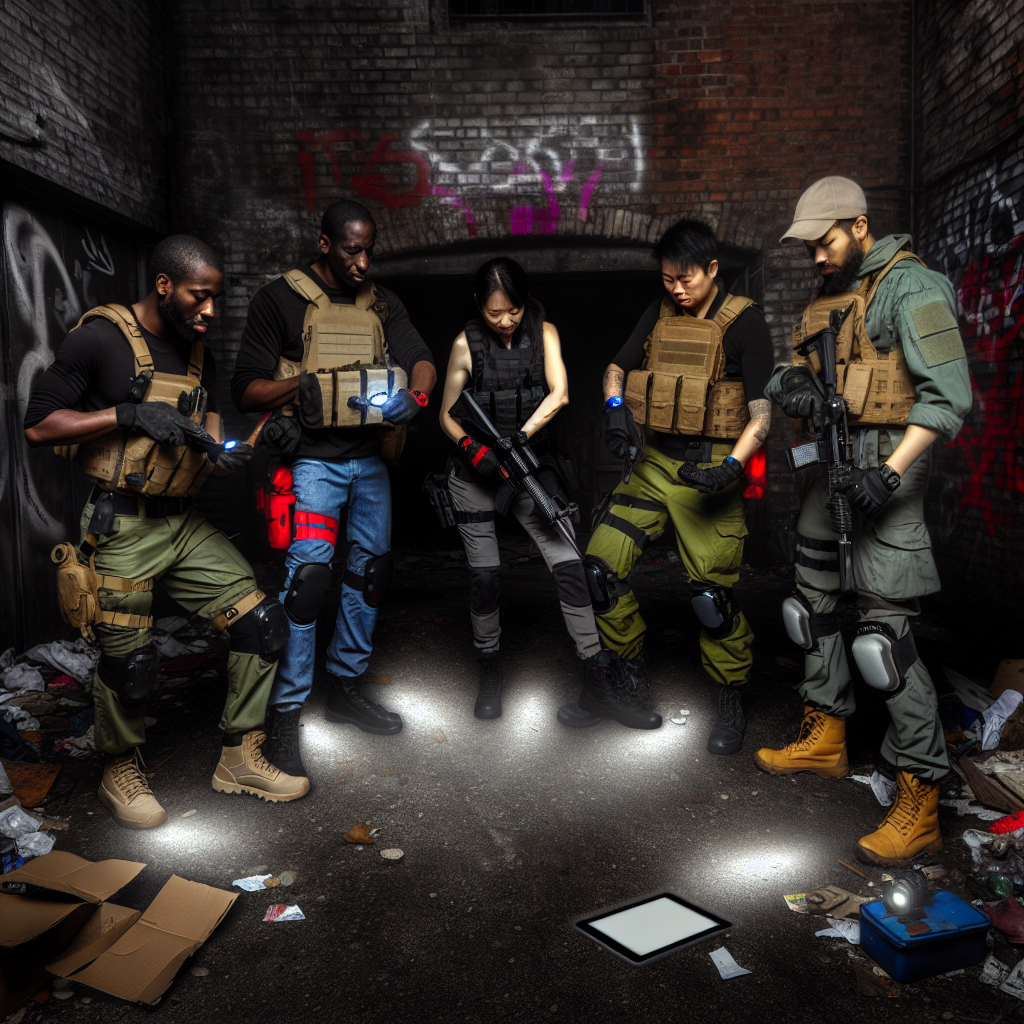
In high-stakes environments—whether on the battlefield, during law enforcement operations, or in certain extreme civilian situations—encountering a tactical ambush can be life-threatening. A tactical ambush is a planned and sudden attack from concealed positions aimed at overwhelming the target with surprise and superior firepower. Understanding how to survive such an event is crucial for military personnel, security professionals, and even civilians interested in personal safety.
This article delves into the critical aspects of surviving a tactical ambush, offering practical advice, proven tactics, and real-world examples that highlight the importance of preparation, situational awareness, and rapid response.
Understanding Tactical Ambushes: Definition and Types
A tactical ambush is a deliberate attack designed to catch an individual or group off guard, usually by exploiting terrain and concealment. These attacks rely heavily on surprise, speed, and concentrated force. Recognizing the nature of an ambush is the first step in preparing to survive one.
There are several types of ambushes commonly encountered in tactical scenarios:
- Point Ambush: A concentrated attack at a single point where the enemy expects the target to pass through.
- Area Ambush: An attack covering a larger area where the enemy has established multiple firing positions.
- Anti-Ambush Measures: Counter-ambush tactics involving deception and counterattack strategies.
The U.S. Army Field Manual FM 3-21.8 outlines these types clearly and emphasizes that understanding them helps units predict enemy behavior and prepare accordingly.
The Importance of Situational Awareness Before an Ambush
Situational awareness is arguably the most vital factor in avoiding or surviving an ambush. It involves continuous observation of your environment, understanding potential threats, and anticipating enemy movements.
- Environmental Scanning: Regularly scan your surroundings for unusual activity or signs of concealment such as disturbed foliage or unnatural silence.
- Maintaining Noise Discipline: Avoid unnecessary noise that could give away your position or alert enemies prematurely.
- Route Planning: Always choose routes that offer multiple escape options or cover rather than predictable linear paths like roads or trails.
- Communication: Maintain constant communication with your team to report suspicious signs quickly.
A study published by RAND Corporation found that units with higher situational awareness had up to a 30% greater chance of avoiding or mitigating ambushes during combat operations in Iraq and Afghanistan.
Tactical Responses During an Ambush: Immediate Actions
The moment an ambush occurs, seconds count. Training often emphasizes immediate actions designed to maximize survival chances and regain control of the situation. Key responses include:
- React Quickly but Calmly: Panic can lead to fatal mistakes. Focus on executing trained responses immediately upon contact.
- Return Fire While Seeking Cover: Simultaneous suppression can disrupt enemy fire patterns while you move to safety.
- “Fight Through” Concept: Instead of retreating directly backward into danger zones, push forward aggressively through the kill zone toward cover or exit points.
- Maneuvering: Use available terrain features such as trees, rocks, vehicles, or depressions for cover and concealment during movement.
An illustrative case is the Battle of Wanat (2008) in Afghanistan, where U.S. forces faced a well-coordinated ambush. Despite being outnumbered, soldiers who applied immediate suppressive fire combined with aggressive maneuvering managed to survive until reinforcements arrived. This battle highlights how disciplined reaction under fire can save lives even in overwhelming situations.
Team Coordination and Communication Under Fire
No individual survives an ambush alone; teamwork often makes the difference between life and death. Effective communication and coordination ensure each member understands their role during chaos.
- Predefined Roles: Teams should assign roles such as point man, rear guard, medic, or automatic rifleman before operations begin to avoid confusion under stress.
- CQB (Close Quarters Battle) Drills: Practicing drills for reacting to close-range attacks builds muscle memory essential during an actual ambush scenario.
- Use of Hand Signals: In noisy environments where radio communication may fail or risk interception, hand signals provide silent coordination methods.
- Buddies System: Pairing soldiers ensures mutual support—watching each other’s backs reduces vulnerability to flanking maneuvers by attackers.
A study by the Military Review journal emphasized that teams with rigorous training in communication protocols exhibited faster response times by up to 40%, significantly increasing survivability rates during ambush engagements.
The Role of Equipment and Training in Ambush Survival
The right equipment coupled with realistic training improves chances of surviving an ambush dramatically. Modern militaries invest heavily in these areas based on combat lessons learned worldwide.
- Personal Protective Gear: Body armor capable of stopping rifle rounds can prevent fatal injuries from initial volleys typical in ambush
situations, allowing soldiers to maintain their combat effectiveness and increase their chances of survival.
Ultimately, preparation and teamwork are key to navigating and surviving tactical ambushes.