The Basics of Tactical Navigation for Urban Survival
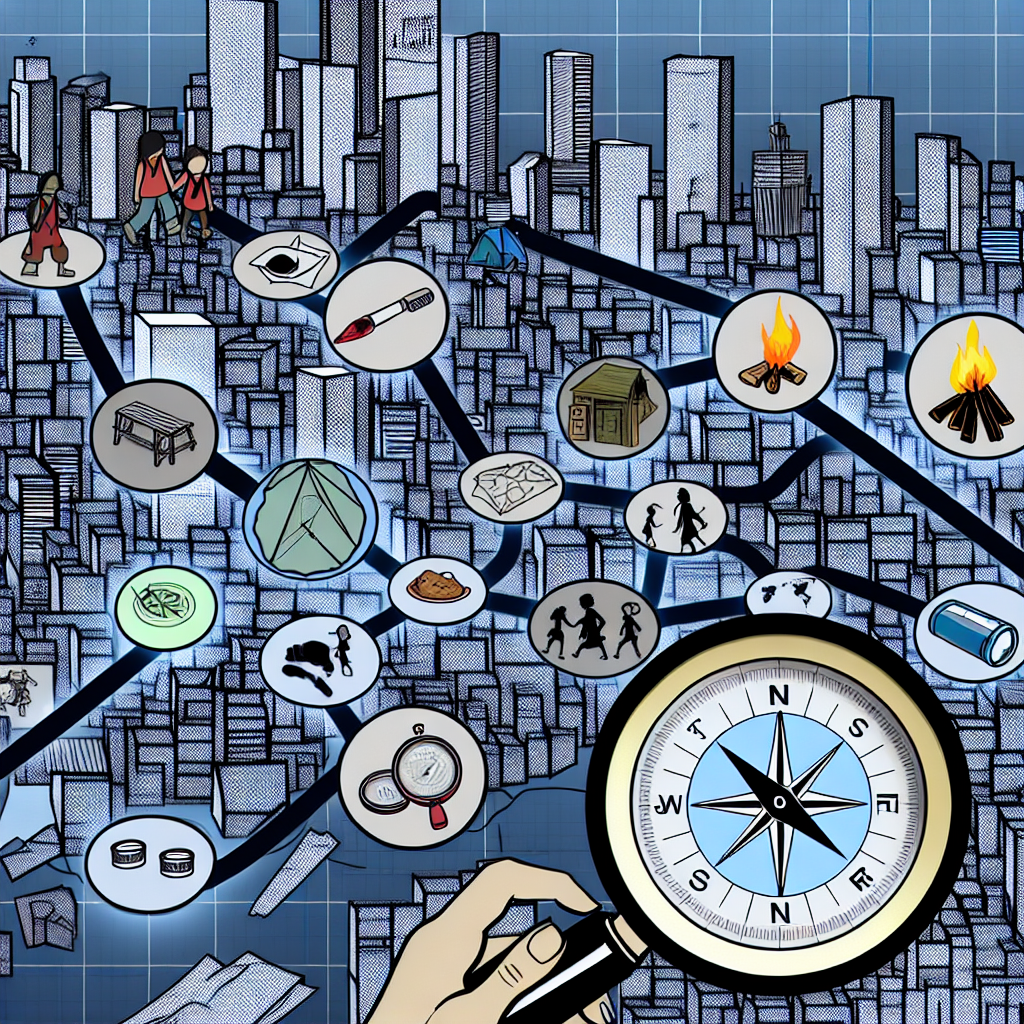
In an increasingly unpredictable world, the ability to navigate urban environments efficiently and safely has become a crucial survival skill. Whether faced with natural disasters, civil unrest, or other emergencies, knowing how to move tactically through a city can mean the difference between safety and danger. Tactical navigation in urban settings requires more than just knowing how to read a map; it involves situational awareness, planning, and adaptive decision-making under pressure.
This article explores the fundamentals of tactical navigation for urban survival, providing actionable insights backed by real-world examples and expert advice. By understanding these basics, individuals can enhance their preparedness and increase their chances of successfully navigating complex urban landscapes during crises.
Understanding Tactical Navigation in Urban Environments
Tactical navigation is the strategic movement through an environment with the aim of achieving specific objectives while minimizing risks. In urban survival contexts, this involves maneuvering through densely populated and structurally complex areas while avoiding hazards such as hostile individuals, structural damage, or traffic congestion.
Unlike rural or wilderness navigation—which often emphasizes natural landmarks and open terrain—urban tactical navigation requires an understanding of man-made structures, human behavior patterns, and variable threat dynamics. Buildings can both obstruct sightlines and provide cover; crowded streets may pose dangers but also conceal movement; surveillance cameras and checkpoints add layers of complexity.
Key components of tactical urban navigation include:
- Situational Awareness: Constantly monitoring surroundings for threats or opportunities.
- Route Planning: Selecting paths that balance speed, safety, and stealth.
- Adaptability: Being ready to change plans based on evolving conditions.
- Communication: Coordinating movements with team members or allies when possible.
A practical example can be drawn from the 2013 Boston Marathon bombing incident. First responders had to rapidly navigate a chaotic urban environment filled with panicked civilians and potential secondary threats. Their success depended heavily on their ability to assess routes quickly and move tactically under pressure.
Essential Tools for Tactical Urban Navigation
Tactical urban navigation relies on a combination of traditional tools and modern technology. Equipping yourself with the right resources enhances your situational awareness and decision-making capacity during emergencies.
Maps and Compass
A reliable map remains one of the most essential tools. In urban survival scenarios, detailed street maps or topographic maps that show building layouts can help you identify alternative routes and safe zones. A compass complements the map by ensuring you maintain your bearings if GPS signals fail or become unreliable.
GPS Devices and Smartphone Apps
Modern GPS devices offer real-time positioning that can be invaluable in unfamiliar cities. However, reliance solely on digital devices is risky due to battery limitations or network outages during crises. It’s advisable to preload offline maps on smartphones using apps like Google Maps Offline or specialized survival apps such as Gaia GPS.
Tactical Flashlights and Signal Devices
Navigating at night or through poorly lit areas demands proper lighting without compromising stealth. Tactical flashlights with adjustable brightness levels help maintain visibility without drawing unwanted attention. Signal devices like whistles can alert teammates without revealing your exact location to adversaries if used judiciously.
Personal Protective Equipment (PPE)
PPE such as gloves, sturdy boots, and protective eyewear supports safe movement through debris-strewn streets or hazardous environments typical in disaster-stricken cities.
- Example: During Hurricane Katrina’s aftermath in 2005, many survivors who carried physical maps alongside GPS devices were able to avoid flooded zones more effectively than those relying solely on technology.
Planning Your Route: Strategies for Safety and Efficiency
Effective route planning is paramount for tactical navigation in urban settings. The goal is not always the shortest path but rather one that maximizes safety while maintaining efficiency.
Pre-Planning vs Dynamic Routing
If time permits before a crisis hits (such as a forecasted hurricane), pre-planning multiple evacuation routes enhances readiness. However, during unpredictable events like riots or terrorist attacks, dynamic routing—adjusting paths based on real-time information—is critical.
Factors Influencing Route Selection
- Threat Assessment: Avoid areas known for high criminal activity or active conflict zones.
- Crowd Density: Large crowds may slow movement but also provide cover; isolated areas might be safer but risk ambushes.
- Terrain and Obstacles: Consider building density, street blockages, construction sites, or damaged infrastructure that could impede progress.
- Cultural Knowledge: Understanding local customs can prevent unintentional confrontations (e.g., avoiding certain neighborhoods after dark).
The “Box Method” for Urban Navigation
This method divides the city into manageable sectors (or “boxes”) which you systematically clear or move through based on priority. It’s commonly used by law enforcement during tactical operations but adapts well for survival situations by breaking down complex environments into smaller zones for easier control and decision-making.
- Case Study: In post-earthquake Mexico City (1985), rescue teams used sector-based clearing techniques to systematically navigate collapsed buildings amid widespread chaos—demonstrating
the effectiveness of organized navigation in crisis scenarios.
By applying these tactical navigation principles, individuals can enhance their chances of survival in urban environments.