How to Choose the Right Tactical Rifle for Defense
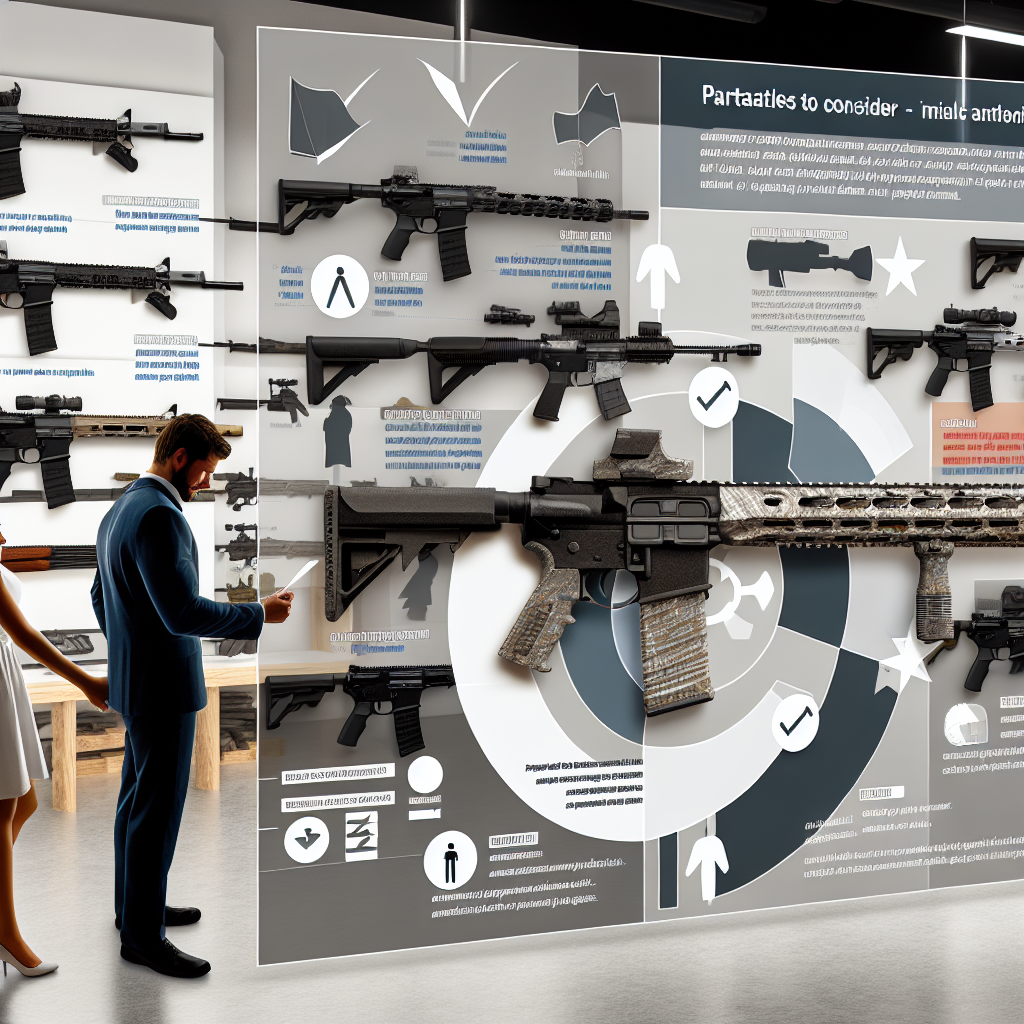
In an increasingly unpredictable world, many individuals are prioritizing personal safety and home defense more than ever before. Choosing the right tactical rifle for defense can be a critical decision that impacts your ability to protect yourself, your family, and your property effectively. However, with a vast array of options on the market, selecting the best tactical rifle tailored to your needs requires careful consideration of several factors.
This comprehensive guide will walk you through everything you need to know about selecting the ideal tactical rifle for defense, supported by real-world examples, expert insights, and statistical data. By understanding key aspects such as caliber choice, ergonomics, reliability, and legal considerations, you can make an informed decision that enhances your preparedness.
Understanding What Makes a Tactical Rifle Suitable for Defense
Before diving into specific models or features, it is crucial to define what characteristics differentiate a tactical rifle designed for defense from other firearms. Tactical rifles are generally semi-automatic firearms built to provide reliability, accuracy, and ease of use in high-stress situations. They often feature modular designs allowing customization with accessories such as optics, lights, and grips.
Key attributes of a defensive tactical rifle include:
- Reliability: The firearm must function flawlessly under adverse conditions without jamming or misfiring.
- Accuracy: While not necessarily requiring precision marksman levels, the rifle should allow consistent shot placement within typical home defense distances (generally under 100 yards).
- Ergonomics: Comfortable handling with intuitive controls is essential during stressful encounters.
- Caliber Effectiveness: The cartridge should provide sufficient stopping power without excessive recoil or over-penetration risks.
- Customization Potential: The ability to add optics, lights, or suppressors enhances versatility and usability.
Tactical rifles are often contrasted with traditional hunting rifles or precision sniper rifles. Their design emphasizes rapid follow-up shots and maneuverability in confined spaces such as homes or urban environments.
The Importance of Caliber Selection in Defensive Scenarios
The caliber of a tactical rifle is arguably one of the most significant considerations when choosing a firearm for defense. It influences stopping power, recoil management, ammunition availability, and over-penetration potential — all critical factors in self-defense situations.
Common Calibers for Tactical Rifles Include:
- .223 Remington / 5.56 NATO: These are among the most popular calibers used in AR-style rifles. They offer manageable recoil and good accuracy at home defense ranges. However, concerns about over-penetration through walls in residential settings have led some experts to recommend caution.
- .300 Blackout: Designed for use in short-barreled rifles with suppressed fire capability. It offers better terminal ballistics at close range than .223 but with slightly increased recoil.
- .7.62x39mm: Commonly used in AK-style rifles; this caliber provides substantial stopping power but comes with increased recoil and less inherent accuracy compared to smaller rounds.
- .308 Winchester / 7.62x51mm NATO: While powerful and accurate at long ranges, this caliber is generally considered excessive for typical home defense scenarios due to heavy recoil and significant over-penetration risk.
A study by the National Institute of Justice highlighted that intermediate calibers like .223/5.56 provide an effective balance between stopping power and control during rapid fire sequences in defensive scenarios. Additionally, defensive ammunition types such as hollow points can mitigate over-penetration risks by expanding upon impact rather than passing through targets.
Ergonomics and Handling: Ensuring Comfort Under Pressure
The ergonomics of a tactical rifle can profoundly affect your ability to operate it effectively during high-stress situations. A poorly fitting or awkward firearm can slow reaction time and reduce accuracy — both potentially life-threatening disadvantages during self-defense incidents.
Factors to Consider Include:
- Weight & Balance: A lightweight rifle allows faster target acquisition but may increase felt recoil; heavier models provide stability but can cause fatigue during extended use.
- Stock Design: Adjustable stocks enable customization of length-of-pull for different shooters or body armor configurations.
- Pistol Grip Shape & Texture: Provides control during rapid firing sequences; rubberized grips improve comfort and reduce slippage.
- Sights & Optics Placement: Clear sight picture combined with intuitive placement aids quick aiming; many users prefer red dot sights or holographic optics for speed over traditional iron sights.
Anecdotal evidence from law enforcement training programs emphasizes that familiarity with one’s firearm setup through regular practice significantly improves performance under duress more than any single ergonomic feature alone. Therefore, choosing a rifle that feels natural in your hands combined with consistent training is key.
Reliability: Why It’s Non-Negotiable
The most carefully chosen tactical rifle loses its value if it fails when needed most. Reliability means consistent feeding, firing, extraction, and ejection without jams or misfires — even after exposure to dirt, moisture, or extreme temperatures.
Key Reliability is a crucial factor to consider when selecting a tactical rifle, as it ensures that your firearm operates flawlessly in critical situations.
Ultimately, thorough research and hands-on experience will guide you in making the best choice for your defense needs.