The Best Self-Defense Classes Near You: Empowering Safety and Confidence
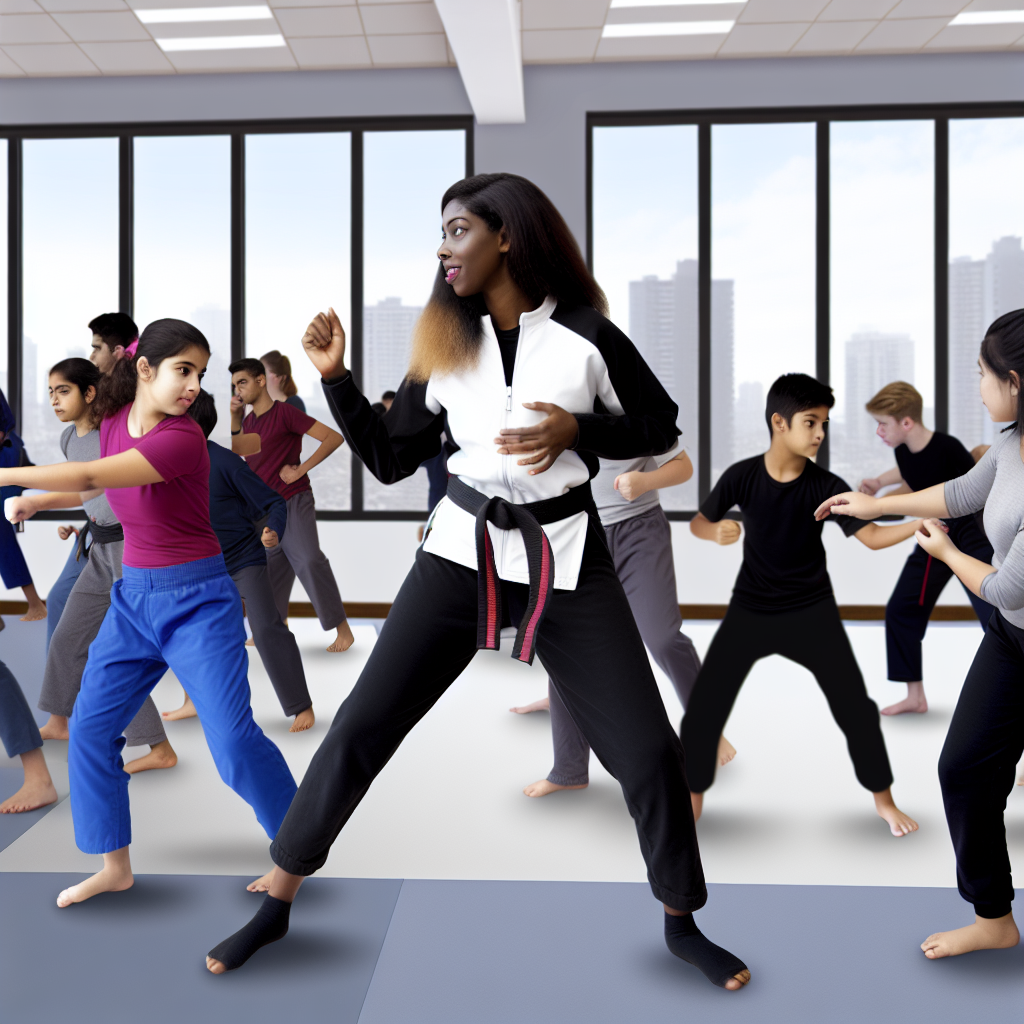
In an increasingly unpredictable world, knowing how to protect yourself is more important than ever. Self-defense classes provide not only physical skills but also mental preparedness and confidence to handle threatening situations. Whether you are a beginner or looking to advance your skills, finding the best self-defense class near you can make a significant difference in your personal safety.
This comprehensive guide explores the top self-defense classes available, what to look for when choosing a program, and how these courses benefit individuals from all walks of life.
Why Self-Defense Training Matters: Beyond Physical Protection
Self-defense is not just about learning to fight; it’s about cultivating awareness, confidence, and the ability to de-escalate potentially dangerous situations. According to a 2022 study by the National Crime Victimization Survey (NCVS), over 1.3 million violent crimes were reported in the United States alone, many occurring in public spaces where quick thinking and physical defense can be crucial.
Some key benefits of self-defense training include:
- Increased situational awareness: Understanding surroundings and recognizing threats early.
- Boosted confidence: Feeling empowered reduces vulnerability to attacks.
- Physical fitness: Many classes improve strength, agility, and endurance.
- Mental resilience: Managing stress and fear during confrontations.
- Practical skills: Learning techniques that work in real-life scenarios.
A case study from the University of South Carolina found that women who completed self-defense training were 50% less likely to experience assault over the following year compared to those who did not participate. This statistic underscores how effective proper training can be in enhancing personal safety.
Types of Self-Defense Classes Available Near You
The variety of self-defense programs can be overwhelming. Understanding the different styles and focuses will help you choose the right class tailored to your needs.
- Krav Maga: Developed for the Israeli military, Krav Maga is a no-nonsense approach emphasizing practical strikes, defenses against weapons, and real-world scenarios. It’s popular among law enforcement and civilians alike for its effectiveness under pressure.
- Brazilian Jiu-Jitsu (BJJ): Focuses on grappling and ground fighting techniques. BJJ teaches leverage-based submissions allowing smaller individuals to defend themselves against larger attackers by controlling them on the ground.
- Muay Thai & Kickboxing: These striking arts emphasize punches, kicks, elbows, and knees. They enhance conditioning while teaching offensive and defensive striking techniques useful in close-quarter encounters.
- Tae Kwon Do & Karate: Traditional martial arts with an emphasis on strikes and blocks. While more formalized with competitions in mind, many schools offer self-defense components tailored for street safety.
- Women’s Self-Defense Workshops: Often condensed courses focusing on scenarios commonly faced by women such as escapes from grabs or chokes. These workshops are designed for quick learning with high-impact techniques.
- Mixed Martial Arts (MMA): Combines striking, grappling, and clinch fighting techniques drawn from various disciplines. MMA gyms often provide well-rounded self-defense curricula incorporating multiple fighting ranges.
Selecting a style depends on your goals—whether you want fitness benefits, competitive sport opportunities, or practical street defense skills.
How to Choose the Best Self-Defense Class Near You
The right class should fit your lifestyle, physical ability, budget, and learning preferences. Here are critical factors to consider when selecting a program:
- Instructor Credentials: Look for certified instructors with real-world experience or backgrounds in law enforcement or military training. Verify their teaching history and student reviews.
- Class Curriculum: A well-rounded curriculum covers situational awareness, verbal de-escalation tactics, defense against common attacks (grabs, chokes), weapon disarms, and escape techniques rather than just sport sparring.
- Class Size & Environment: Smaller classes offer personalized attention which is crucial for mastering techniques safely. The environment should feel welcoming and supportive regardless of skill level or gender.
- Location & Schedule Flexibility: Convenience matters—choose a location close to home or work with class times that fit your schedule consistently.
- User Reviews & Testimonials: Seek out online reviews or ask current students about their experiences regarding instructor quality and class effectiveness.
- Sustainability & Progression Opportunities: Does the school offer advanced levels or specialized workshops? Ongoing learning keeps skills sharp over time.
A good example is “Urban Defense Academy,” located in many major cities across the U.S., which offers beginner-friendly courses focusing on practical street defense taught by former military instructors with flexible evening classes suited for working professionals.
The Role of Technology: Virtual Self-Defense Classes
The COVID-19 pandemic accelerated online learning across various disciplines including self-defense. Many schools now offer virtual classes that combine video instruction with live coaching sessions via Zoom or other platforms.
This innovation allows individuals to train from the comfort of their homes while still receiving personalized feedback, making self-defense more accessible than ever. Consider exploring both in-person and online options to find the best fit for your needs.