Essential Gear for Urban Tactical Survival
In an increasingly unpredictable world, urban tactical survival has become a critical skill set for many individuals. Whether facing natural disasters, civil unrest, or unexpected emergencies, having the right gear can make the difference between safety and vulnerability. Urban environments present unique challenges that require specialized equipment tailored to confined spaces, complex infrastructure, and dense populations.
This article explores the essential gear needed for urban tactical survival, providing insights into effective preparation strategies and practical examples from real-life situations. By understanding what to carry and why, you can enhance your readiness and confidence in any urban crisis scenario.
Understanding Urban Tactical Survival: Unique Challenges
Urban tactical survival differs significantly from wilderness survival due to the complexity of city environments. High population density, limited open spaces, infrastructure vulnerabilities, and potential for rapid social breakdowns all contribute to unique risks.
Some of the common challenges include:
- Limited mobility: Narrow streets, traffic congestion, and barricades can restrict movement.
- Resource scarcity: Access to clean water, food, and medical supplies may be limited during emergencies.
- Security threats: Increased risk of crime, looting, or violence during social unrest.
- Communication breakdowns: Overloaded networks or power outages can impede coordination.
Understanding these challenges is essential when selecting gear that prioritizes versatility, compactness, and multi-functionality.
Core Survival Gear: Building Your Urban Tactical Kit
A well-rounded urban survival kit should balance essentials for immediate needs with tools for defense and communication. The following categories represent foundational components for any urban tactical survival setup.
1. Personal Protection Equipment (PPE)
PPE is critical not only for protection against physical threats but also environmental hazards such as smoke or chemical irritants often encountered in urban crises.
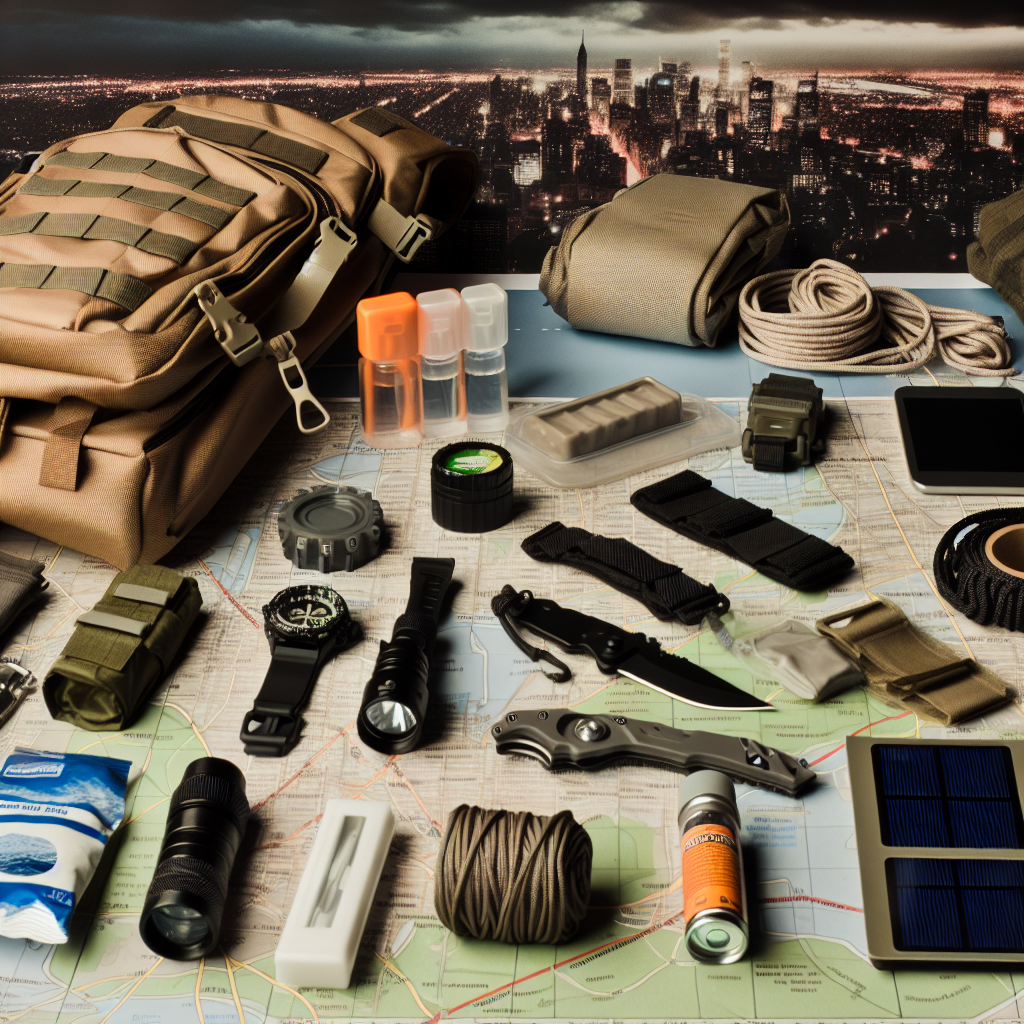
- Tactical backpack: Durable and ergonomic backpacks with multiple compartments help organize gear efficiently. Look for water-resistant materials and MOLLE webbing for modular attachments.
- Protective gloves: Cut-resistant gloves shield hands when navigating debris or engaging in defensive tasks.
- Respiratory masks: N95 or better masks protect against airborne particles including dust, smoke, and pathogens. In areas prone to chemical exposure, consider gas masks or respirators with appropriate filters.
- Eye protection: Shatterproof goggles prevent injury from debris or irritants during riots or building collapses.
A case study highlighting the importance of PPE occurred during the 2019 Hong Kong protests where tear gas was widely deployed; protesters equipped with gas masks and goggles were better able to maintain situational awareness and avoid injury amid chaotic conditions.
2. Navigation and Communication Tools
The ability to navigate complex urban landscapes and maintain communication can be life-saving. GPS signals may be unreliable in dense city cores or underground areas such as subways.
- Multi-band radio: Handheld radios capable of accessing multiple frequencies ensure connectivity even when cellular networks fail. Ham radios are particularly valuable due to their extended range and community support during disasters.
- Portable power bank: High-capacity USB power banks keep phones and radios charged on the go. Solar charging options add redundancy in prolonged outages.
- Compact flashlight/headlamp: Bright LED lights with adjustable beams improve visibility in darkened buildings or streets. Models with strobe functions can signal rescuers or disorient threats if necessary.
- Pocket maps & compass: Traditional navigation tools remain reliable backups when electronic devices fail or lose signal indoors or underground.
Sustenance Essentials: Food and Water Management
Sustaining energy and hydration under stressful conditions is vital for maintaining mental clarity and physical stamina. In urban settings where infrastructure may collapse rapidly, self-sufficiency becomes paramount.
- Water purification devices: Portable filters (e.g., Sawyer Mini) or chemical purification tablets allow safe consumption from uncertain sources like rainwater collection points or broken pipes. Studies show that contaminated water is a leading cause of illness post-disaster; thus, reliable purification is crucial.
- MREs (Meals Ready-to-Eat): Lightweight, shelf-stable rations designed for emergency use provide balanced nutrition without refrigeration requirements. They typically last several years unopened.
- Canteens & collapsible water bottles: Durable containers facilitate carrying sufficient water reserves while minimizing bulk in crowded spaces.
- Cooking tools: Compact stove kits using solid fuel tablets enable heating food safely without open flames that attract attention in hostile environments.
The aftermath of Hurricane Katrina in 2005 demonstrated how disrupted water supplies led to widespread dehydration-related illnesses; survivors equipped with portable filtration tools had significantly better outcomes during extended rescue delays.
Tactical Tools: Enhancing Mobility and Security
Tactical tools are essential not only for self-defense but also for facilitating escape routes through obstructed areas or gaining access to locked spaces during emergencies like fires or earthquakes.
- Folding knife/multi-tool: Versatile
Folding knife/multi-tool: Versatile tools can assist in various tasks, from opening packages to making repairs, and can be crucial in survival situations.
Being prepared with the right gear can significantly increase your chances of navigating urban environments safely and effectively during emergencies.