Understanding Situational Awareness for Personal Safety
In today’s fast-paced world, personal safety has become an increasingly important concern for individuals across all demographics. From urban commuters to outdoor enthusiasts, the ability to stay aware of one’s surroundings can be the difference between avoiding danger and becoming a victim. At the heart of effective personal safety lies a critical skill: situational awareness.
This article delves into the concept of situational awareness, exploring its importance, practical applications, and strategies to enhance it for everyday personal safety. Through real-life examples, case studies, and relevant statistics, readers will gain a comprehensive understanding of how to leverage situational awareness to protect themselves and their loved ones.
What is Situational Awareness?
Situational awareness refers to the ability to perceive environmental elements within a specific time and space, comprehend their meaning, and predict their future status. Originally developed in military and aviation contexts, it has since been adopted widely in law enforcement, emergency response, and personal safety training.
At its core, situational awareness involves three distinct but interconnected levels:
- Perception: Recognizing critical cues in the environment such as people’s behavior, sounds, or changes in lighting.
- Comprehension: Understanding what those cues mean—for example, identifying suspicious activity or recognizing a potential threat.
- Projection: Anticipating how the situation might evolve and preparing appropriate responses.
Without these components working together effectively, individuals are at greater risk of being caught off guard by unexpected dangers.
The Importance of Situational Awareness in Personal Safety
Situational awareness is vital because it enables individuals to recognize threats early and take preventive actions before situations escalate. According to the National Crime Victimization Survey (NCVS), over 60% of violent crimes happen without any warning signs being noticed by victims. Improving situational awareness can help bridge this gap by increasing vigilance and proactive decision-making.
Consider these reasons why situational awareness is crucial for personal safety:
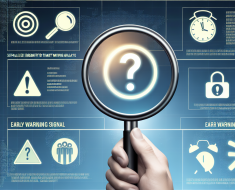
- Early Threat Detection: Spotting unusual behavior or anomalies in your environment can alert you to potential danger well before it materializes.
- Reducing Vulnerability: Being aware makes it harder for criminals or attackers to catch you unprepared or isolated.
- Avoiding Risky Situations: Good situational awareness helps identify unsafe locations or situations so you can avoid them entirely.
- Effective Response: When faced with a threat, understanding what’s happening allows for quicker decisions—whether that means fleeing, seeking help, or defending yourself.
A famous example illustrating the power of situational awareness is the case of airline passengers during attempted hijackings on September 11th, 2001. Some passengers who were attentive to subtle changes in crew behavior and passenger demeanor took early action that contributed to thwarting further attacks on certain flights.
Key Elements That Influence Situational Awareness
Sensory input and cognitive processing form the foundation of situational awareness. However, several factors influence how effectively an individual can maintain this state of alertness:
- Environmental Factors: Crowded spaces, poor lighting, loud noises, or unfamiliar surroundings can impact one’s ability to notice important details.
- Mental State: Stress, fatigue, distraction (e.g., mobile phone use), or emotional distress reduce focus and impair perception.
- Cultural Conditioning: People tend to filter information based on past experiences or biases which can either help or hinder threat recognition.
- Training and Experience: Individuals trained in self-defense or emergency response typically develop heightened situational awareness skills compared to untrained persons.
A study published in the Journal of Applied Psychology found that participants trained in situational awareness techniques improved their ability to detect potential threats by over 30% compared to controls after just two weeks of practice. This highlights how developing these skills is both possible and practical for anyone concerned about personal safety.
Practical Strategies to Enhance Situational Awareness
The good news is that situational awareness is not an innate talent reserved for certain individuals—it can be cultivated through conscious effort and practice. Here are some actionable strategies you can implement daily:
1. Adopt the “Circle of Awareness” Concept
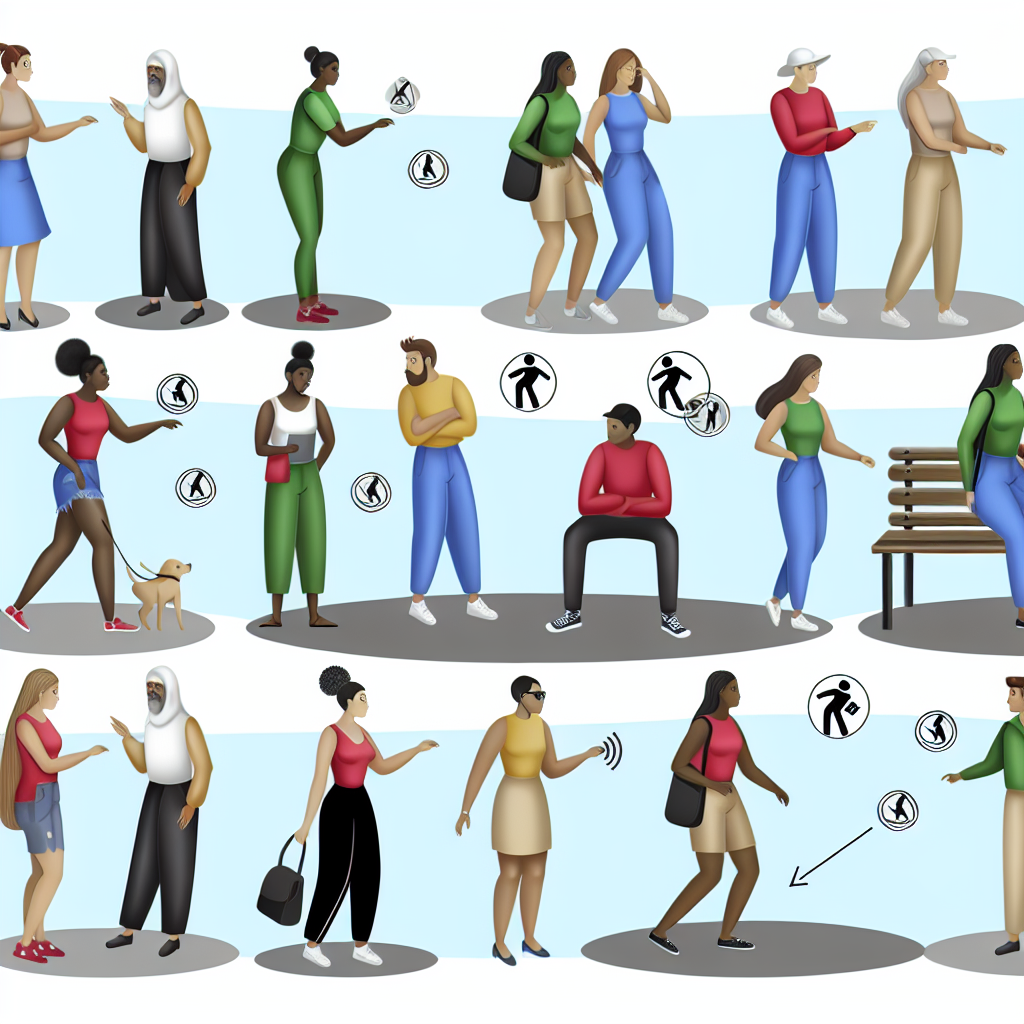
This involves dividing your surroundings into zones—immediate vicinity (close enough to touch), mid-range (within visual range), and far-range (peripheral vision). Regularly scan each zone systematically rather than fixating on one spot. This method prevents tunnel vision during potentially dangerous situations.
2. Limit Distractions
Avoid excessive use of smartphones or headphones when walking alone in public spaces. Research from the University of Washington showed that pedestrians distracted by mobile devices were four times more likely to step into traffic without looking—underscoring how distractions reduce environmental awareness drastically.
3. Practice Mindfulness Techniques
Meditation and mindfulness training improve overall attentiveness by teaching you how to stay present without judgment. Even simple breathing exercises before entering busy areas can heighten sensory acuity temporarily.
4.
Use Behavioral Observation Skills to assess the actions and body language of people around you. Recognizing unusual behavior can help you identify potential threats early on.
By developing these skills, you can enhance your situational awareness and improve your personal safety in various environments.