The Relationship Between Gun Cleaning and Safety
Firearms are powerful tools that require responsible handling, maintenance, and knowledge to ensure the safety of users and those around them. Among the many aspects of firearm ownership, cleaning stands out as a critical practice that directly impacts the functionality, reliability, and safety of a gun. This article explores the intricate relationship between gun cleaning and safety, emphasizing why regular maintenance is not just about aesthetics but a fundamental element of responsible firearm use.
The Importance of Regular Gun Cleaning
Regular gun cleaning is essential for maintaining the mechanical integrity and performance of a firearm. When guns are used, they accumulate residues such as powder fouling, lead deposits, copper build-up, carbon residue, and dirt. These contaminants can impair the operation of a gun if not removed properly.
From a safety perspective, unclean firearms can lead to malfunctions that might result in dangerous situations. For instance:
- Misfires and Failure to Fire: Residue buildup can prevent the firing pin from striking correctly or cause rounds to fail to chamber or eject properly.
- Increased Risk of Accidental Discharge: A dirty trigger mechanism or safety may not operate smoothly, increasing the risk of accidental discharges.
- Barrel Obstructions: Debris or unburned powder in the barrel can cause dangerous pressure build-ups leading to barrel bulges or even catastrophic failure.
A study by the National Shooting Sports Foundation (NSSF) found that over 70% of reported firearm malfunctions during shooting events were linked to improper maintenance or lack of cleaning. This statistic highlights how neglecting cleaning can directly undermine firearm reliability and safety.
How Gun Cleaning Enhances Safety Mechanisms
Firearms incorporate various safety mechanisms designed to prevent accidental discharge. These include manual safeties, trigger safeties, firing pin blocks, drop safeties, and more. However, these components rely on clean and smooth operation to function effectively.
Dirt, debris, or corrosion can interfere with these safety features in several ways:
- Sticky Safeties: Dirt buildup can cause safeties to stick in the “off” position or make them difficult to engage fully.
- Trigger Malfunction: Residue on trigger components can cause unpredictable trigger pulls or failures.
- Firing Pin Issues: Carbon deposits can prevent firing pins from moving freely, impacting both firing reliability and safety mechanisms like drop safeties.
Routine cleaning ensures that all mechanical parts remain free from obstruction and corrosion, preserving their function as intended by manufacturers. The U.S. Army’s Marksmanship Unit emphasizes regular firearm maintenance as essential for safe weapon handling during training and combat scenarios because reliable safeties reduce accidental injuries.
The Role of Proper Gun Cleaning Techniques in Preventing Accidents
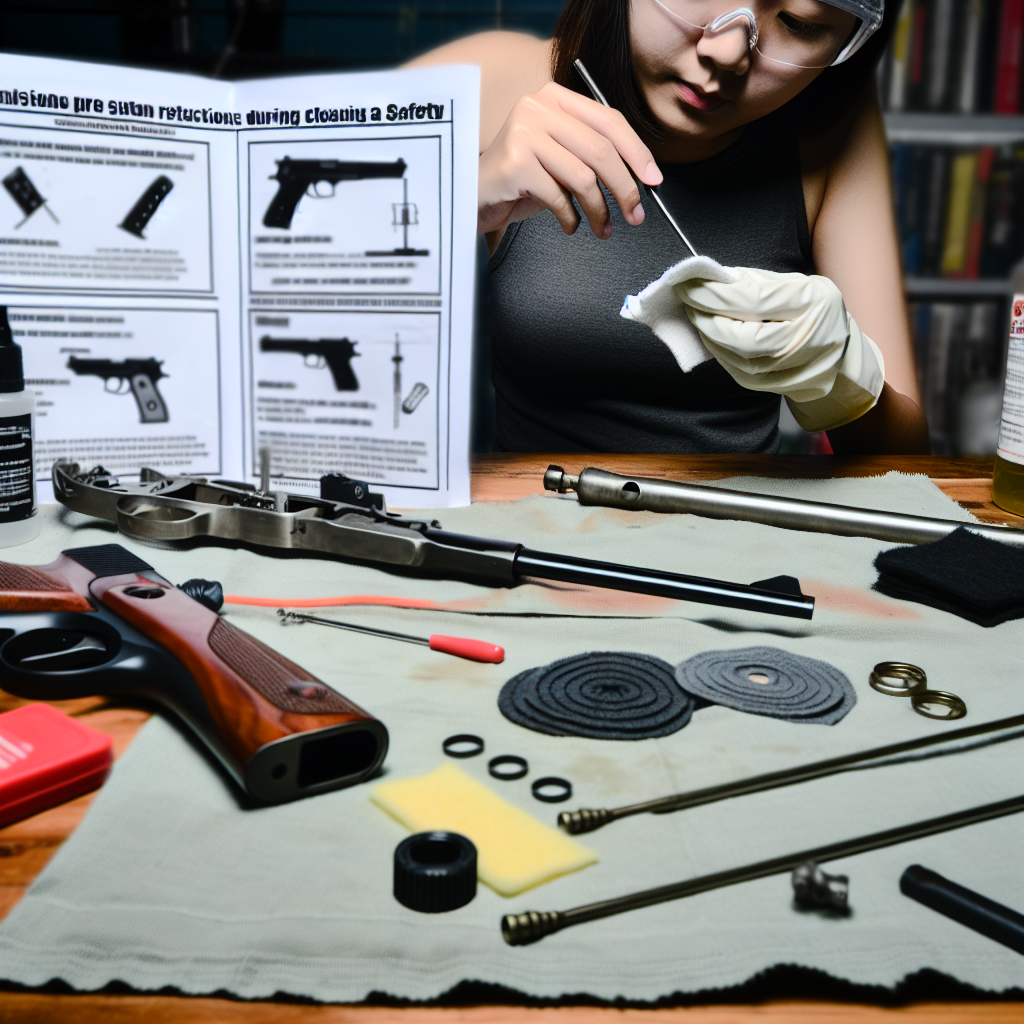
While cleaning is crucial for safety, it must be done correctly to avoid creating new hazards. Improper cleaning techniques or using incorrect materials can damage firearms or inadvertently cause unsafe conditions.
Some common mistakes include:
- Using Harsh Chemicals: Strong solvents may corrode metal parts or degrade protective finishes.
- Poor Disassembly/Reassembly: Incorrectly taking apart or putting together a firearm can lead to malfunctioning components.
- Neglecting Inspection: Failing to check for worn parts during cleaning misses opportunities to replace potentially dangerous components.
A case study published by Guns & Ammo magazine recounted an incident where an individual’s improper reassembly after cleaning caused a failure in the extractor mechanism. This malfunction resulted in a jam during live fire practice — which could have been catastrophic had it occurred in a self-defense situation.
To maximize safety benefits from gun cleaning:
- Follow Manufacturer Guidelines: Always consult your firearm’s manual for specific cleaning instructions.
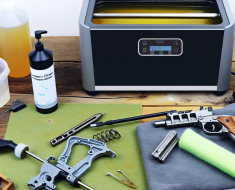
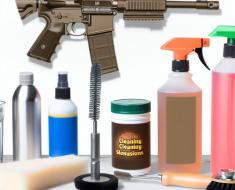
- Use Appropriate Tools & Solvents: Select products designed for your firearm type and caliber.
- Inspect Parts Thoroughly: Check springs, pins, barrels, and other components for wear or damage during each cleaning session.
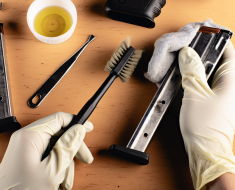
- Create a Safe Environment: Clean firearms unloaded in well-lit areas with no ammunition present nearby to avoid accidental discharge risks during maintenance.
The Psychological Impact of Cleaning on Responsible Gun Ownership
Beyond the mechanical benefits of gun cleaning lies an important psychological factor: familiarity breeds responsibility. Regularly disassembling and cleaning a firearm helps owners develop intimate knowledge of their weapon’s operation and condition — fostering safer habits overall.
This intimate familiarity encourages owners to be more vigilant about safe storage practices and proper handling techniques. For example:
- A study by Johns Hopkins University found that individuals who performed routine firearm maintenance were significantly more likely to store guns securely (locked and unloaded).
- The act of cleaning often prompts owners to verify that safeties are engaged correctly before reassembly or storage — reinforcing good habits through repetition.
This psychological dimension highlights how gun cleaning contributes indirectly but powerfully to overall gun safety culture among responsible owners by encouraging mindfulness rather than complacency with firearms care.
The Statistical Link Between Gun Maintenance and Accident rates underscores the importance of regular upkeep. Studies indicate that firearms maintained properly are less likely to be involved in accidental discharges.
In conclusion, maintaining your firearm not only ensures its functionality but also enhances safety for everyone.