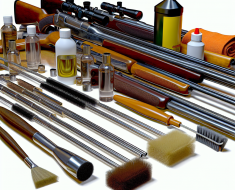
How to Avoid Over-Oiling Your Firearm
Maintaining a firearm is an essential responsibility for every gun owner. Proper lubrication ensures reliable performance, prevents rust, and extends the life of the weapon. However, over-oiling a firearm can be just as detrimental as neglecting maintenance altogether. Excess oil can attract dirt and debris, cause malfunctions, and even damage components over time.
This comprehensive guide will explore why over-oiling occurs, its consequences, and practical steps you can take to avoid it. Drawing on expert advice, case studies, and best practices, this article will equip you with the knowledge to maintain your firearm safely and effectively.
Understanding the Role of Oil in Firearm Maintenance
Before diving into how to avoid over-oiling your firearm, it’s crucial to understand why oiling is necessary in the first place. Firearms are composed of numerous metal parts that undergo friction during operation. Lubrication reduces this friction and minimizes wear.
Moreover, oil acts as a protective barrier against moisture that causes corrosion or rust. Especially in humid or harsh environments, a thin film of oil helps preserve the integrity of metal surfaces.
However, firearms require only a minimal amount of oil applied strategically to moving parts such as:
- Slide rails
- Trigger mechanisms
- Barrel locking lugs
- Bolt carrier groups (in rifles)
- Hinges and springs
Excessive lubrication beyond these points can lead to problems instead of solving them.
The Dangers of Over-Oiling Your Firearm
While it may seem that more lubrication equals better protection, over-oiling firearms can cause several issues that compromise both safety and performance:
- Dirt and Debris Accumulation: Excess oil creates sticky surfaces that attract dust, sand, gunpowder residue, and other contaminants. This buildup can hinder mechanical function.
- Malfunctions and Jamming: Thick layers of oil may cause parts to stick or slow down operation. For example, semi-automatic pistols can experience failures to feed or eject due to heavy lubrication.
- Aesthetic Damage: Over time, excess oil can discolor finishes or cause swelling in wooden stocks by trapping moisture.
- Reduced Accuracy: Oil pooling inside barrels can affect bullet trajectory by altering barrel harmonics or causing fouling.
- Safety Hazards: In extreme cases, excessive lubrication combined with dirt can cause catastrophic failures such as bolt slamming or misfires.
A study by the National Institute of Justice found that approximately 15% of reported firearm malfunctions were directly linked to improper lubrication practices — including both under- and over-oiling.
Common Mistakes Leading to Over-Oiling
Avoiding over-oiling starts with recognizing common errors made by firearm owners during cleaning and maintenance sessions:
- Using Too Much Oil Initially: Applying generous amounts “just in case” without wiping off excess afterward.
- Ineffective Application Methods: Spraying lubricant broadly instead of targeting specific parts leads to pooling in unwanted areas.
- Lack of Knowledge About Specific Firearm Needs: Different firearms have different lubrication requirements; using a one-size-fits-all approach often results in overuse.
- No Post-Lubrication Wiping: Many users fail to wipe away surplus oil after application—an essential step for controlling amounts applied.
- Mistaking Grease for Oil: Some lubricants are thicker greases rather than oils; improper use can cause buildup quickly.
A typical example includes new shooters who follow online tutorials but misunderstand instructions like “apply a thin coat” — leading them to saturate parts excessively out of caution or enthusiasm.
Best Practices for Proper Firearm Lubrication
The key to avoiding over-oiling lies in mastering proper techniques supported by manufacturer guidelines and expert recommendations. Here’s a step-by-step approach you should follow during firearm maintenance:
Select the Right Lubricant
- Synthetic Oils: Offer superior temperature stability and longevity compared to traditional oils.
- Lighter Oils for Precision Parts: Use light oils on triggers and internal mechanisms where thick grease could hinder movement.
- Chemically Compatible Products: Ensure lubricants do not degrade metal finishes or polymer components.
The Application Process
- Clean Thoroughly First: Remove old oil residues, carbon deposits, and dirt before reapplying lubricant; use solvent cleaners designed for firearms.
- Apply Sparingly: Use a dropper or small applicator brush for controlled amounts rather than spraying liberally.
- Treat Only Moving Parts: Focus on slides, bolts, firing pins—but avoid excess on barrels or external surfaces unless specified by manufacturer guidelines.
- Smooth Out Oil Layers: W
Smooth Out Oil Layers: Wipe away any excess oil with a clean cloth to prevent buildup and ensure smooth operation.
By following these guidelines, you can maintain your firearm effectively without the risk of over-oiling.