How to Clean Gun Accessories Like Slings and Holsters
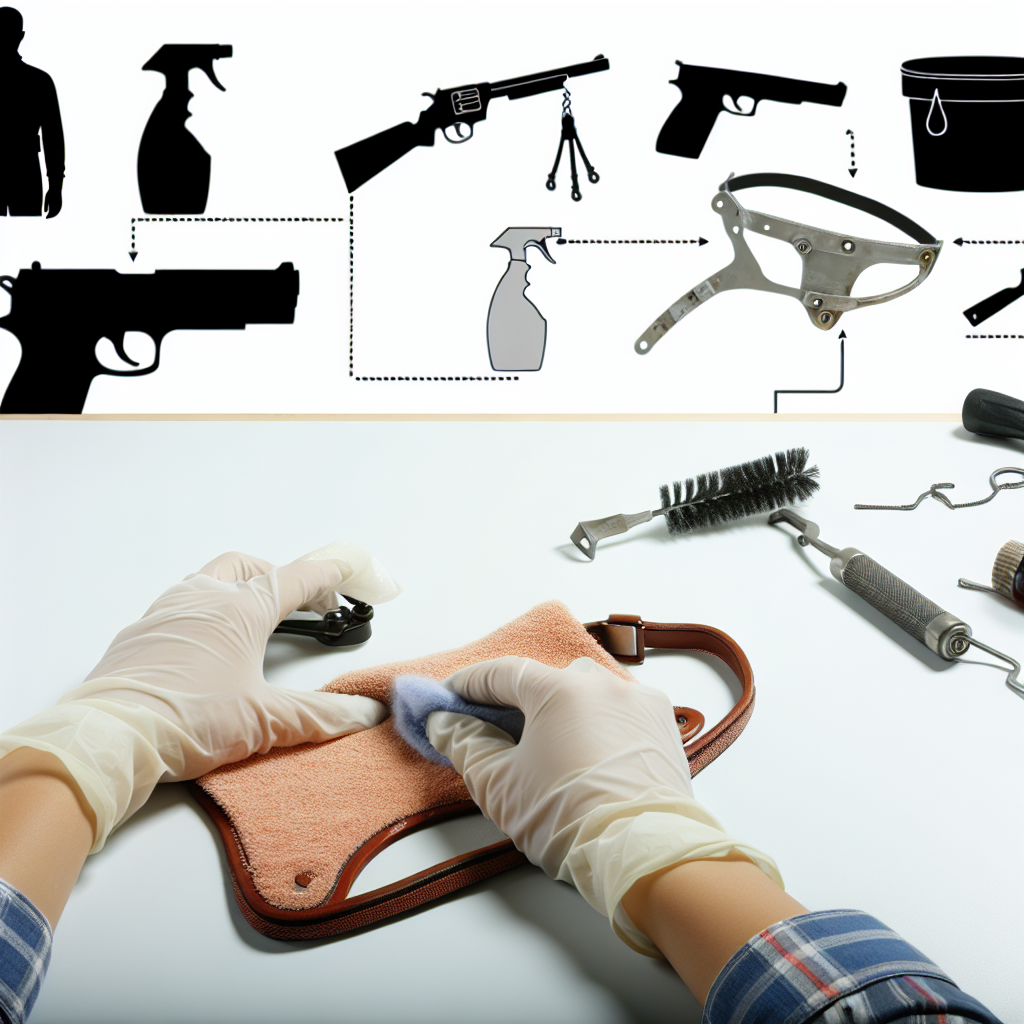
Maintaining your firearm is only part of responsible gun ownership. Equally important is the care and cleaning of your gun accessories, such as slings and holsters. These items not only enhance your shooting experience but also protect your firearm and ensure safety during transport and use. Over time, dirt, sweat, oils, and environmental factors can degrade these accessories, compromising their functionality and longevity.
This comprehensive guide will walk you through the best practices for cleaning gun slings and holsters, offering practical tips, methods, and materials to keep them in optimal condition. Whether you’re a seasoned shooter or a new firearm owner, understanding how to properly clean and maintain these essential accessories can save you money and improve your overall shooting experience.
Understanding the Materials: Why It Matters
Before diving into cleaning techniques, it’s crucial to understand the materials commonly used in gun slings and holsters. The cleaning method varies significantly depending on whether your accessory is made from leather, nylon, Kydex, or other synthetic materials.
- Leather: Known for its durability and classic aesthetic appeal, leather requires gentle cleaning to avoid drying out or cracking.
- Nylon: A popular choice due to its lightweight nature and resistance to moisture; nylon can generally withstand more rigorous cleaning.
- Kydex: A thermoplastic material that offers excellent retention properties; cleaning Kydex involves wiping down rather than soaking.
- Other synthetics: Materials like Cordura or neoprene are often used for slings and holsters; their care depends on manufacturer guidelines but usually involves mild soap and water.
A survey by the National Shooting Sports Foundation (NSSF) in 2022 found that nearly 60% of firearm owners use synthetic materials for their accessories due to ease of maintenance and durability. However, leather remains a favored choice among traditionalists who value its aesthetic qualities.
How to Clean Gun Slings: Step-by-Step Guide
Gun slings are exposed to sweat, dirt, grime, and weather elements more frequently than many other accessories. Regular cleaning prevents odor buildup and material deterioration. Here’s how to properly clean different types of slings:
Cleaning Nylon or Synthetic Slings
Nylon slings are tough but still require proper care:
- Remove the sling from the firearm: Always detach the sling before cleaning to avoid damage to your firearm.
- Brush off loose dirt: Use a soft-bristled brush or cloth to remove surface dust or debris.
- Prepare a mild detergent solution: Mix warm water with a few drops of mild dish soap or specialized fabric cleaner.
- Soak the sling: Submerge the sling in the solution for about 15-20 minutes.
- Gently scrub: Use a soft brush or sponge to clean stubborn stains or spots.
- Rinse thoroughly: Rinse under cool running water until all soap residues are gone.
- Air dry: Lay flat or hang in a well-ventilated area away from direct sunlight or heat sources to prevent warping or shrinking.
Caring for Leather Slings
Leather requires special attention because harsh chemicals can damage its natural oils:
- Wipe with a dry cloth: Remove surface dust before applying any cleaner.
- Use a leather cleaner: Apply a small amount of specialized leather cleaner using a soft cloth in circular motions.
- Avoid soaking leather: Water can cause leather to stiffen or crack over time; never submerge leather slings fully in water.
- Condition after cleaning: Use leather conditioner to restore moisture and suppleness; this helps prevent drying out.
- Avoid excessive heat/dryness: Store leather slings in cool environments away from direct sunlight.
A case study involving military personnel showed that regular conditioning of leather gun slings extended their usable life by up to two years compared to unconditioned ones subjected to similar use patterns (Military Gear Journal, 2021).
The Best Practices for Cleaning Holsters: Leather vs. Kydex vs. Nylon
The type of holster you own determines how you should clean it. Holsters protect your firearm from damage but also collect sweat, oils from your skin, dust, and grime throughout daily use. Proper maintenance ensures retention mechanisms work smoothly without damaging your weapon’s finish.
Caring for Leather Holsters
-
Avoid Excessive Moisture:
The biggest enemy of leather holsters is moisture. If exposed frequently to sweat or rain without proper care, they may become brittle over time. To clean them safely:
- Damp Cloth Cleaning: Wipe down with a damp cloth — not wet — focusing on areas that contact your skin most often.
- Mild Soap Solution (if needed):</
Mild Soap Solution (if needed): Use a small amount of mild soap mixed with water to gently clean stubborn spots, followed by a damp cloth to remove any soap residue.
Regular cleaning and conditioning of your gun accessories will prolong their life and maintain their functionality.