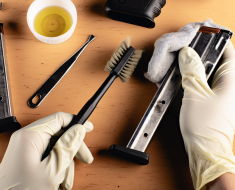
How to Clean Carbon Build-Up in Your Firearm
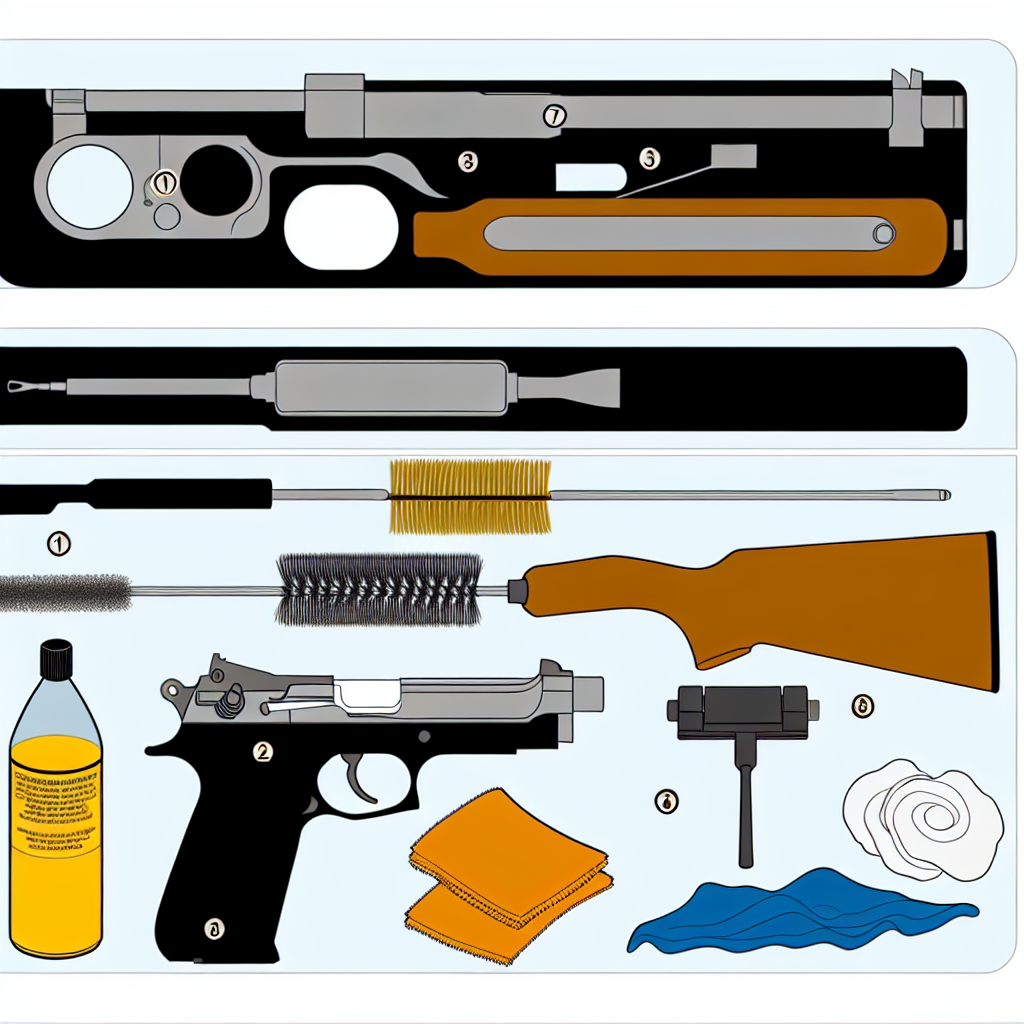
Carbon build-up is one of the most common issues faced by firearm owners and enthusiasts. Over time, repeated firing causes carbon residues from gunpowder and combustion by-products to accumulate on various parts of the firearm, affecting its performance, reliability, and longevity. Understanding how to effectively clean carbon build-up is essential for maintaining your firearm’s safety, accuracy, and operational readiness.
In this comprehensive guide, we will explore the nature of carbon deposits, why they form, the risks associated with neglecting them, and detailed step-by-step procedures on how to clean your firearm properly. We will also delve into recommended cleaning agents, tools, and techniques backed by expert insights and real-world examples.
Understanding Carbon Build-Up: What It Is and Why It Matters
When a firearm is discharged, the gunpowder ignites and produces a rapid expansion of gases that propel the bullet forward. This combustion process leaves behind solid residues primarily composed of carbon along with traces of lead, copper, and other metals depending on the ammunition used.
Carbon build-up refers to these deposits accumulating on critical components such as the barrel’s bore, chamber, bolt face, firing pin recesses, and gas systems in semi-automatic firearms. These residues are sticky and can harden over time if not cleaned regularly.
Why does this matter? The presence of excessive carbon can:
- Reduce accuracy by altering barrel harmonics and bullet trajectory
- Cause malfunctions such as failure to feed or eject
- Increase wear on moving parts due to abrasion
- Lead to dangerous pressure spikes inside the chamber
- Complicate disassembly and maintenance efforts
A study conducted by the U.S. Army Research Laboratory found that uncleaned barrels experienced up to a 30% drop in accuracy after just 100 rounds due to fouling effects. This highlights why regular cleaning is not just about aesthetics but critical firearm performance.
Identifying Carbon Build-Up: Signs Your Firearm Needs Cleaning
Recognizing when your firearm requires cleaning can prevent long-term damage. Here are common signs indicating significant carbon fouling:
- Difficult bolt movement: If your bolt or slide feels sticky or harder to operate than usual.
- Increased recoil or unusual noise: Excessive residue can affect gas flow systems causing irregular cycling.
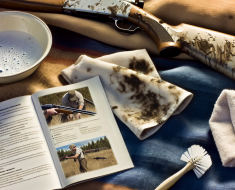
- Sooty or black residue: Visible black deposits around the muzzle, chamber area, or bolt face.
- Poor accuracy: Shots grouping wider than normal may indicate barrel fouling.
- Failure to eject or feed properly: Carbon build-up can interfere with reliable cycling in semi-auto firearms.
An example from a competitive shooter’s experience revealed that after firing just 300 rounds without cleaning their AR-15 rifle during a match series, they began experiencing frequent stovepipe malfunctions. After thorough cleaning removed stubborn carbon deposits from the gas tube and bolt carrier group, reliability was restored.
The Tools and Materials You Need for Effective Cleaning
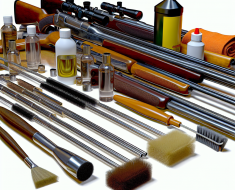
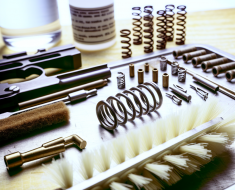
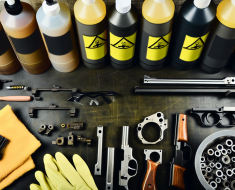
Proper cleaning starts with having the right tools at hand. Using inappropriate materials may damage your firearm’s finish or fail to remove tough residues effectively. Here are essential items needed for cleaning carbon build-up:
- Bore brushes: Bronze or nylon brushes sized correctly for your caliber help scrub barrel interiors without scratching steel.
- Patches and jags: Cotton patches attached to cleaning rods help apply solvents and wipe away loosened debris.
- Cleaning rods or bore snakes: For pushing brushes and patches through the barrel; bore snakes are convenient alternatives for quick cleans.
- Solvents/degreasers: Products like Hoppes No.9, Break-Free CLP (Cleaner-Lubricant-Protector), or specialized carbon removers designed to dissolve fouling efficiently.
- Nylon picks or toothpicks: Useful for scraping carbon from tight crevices without damaging metal surfaces.
- Lubricants/oils: After cleaning, apply quality gun oil to protect metal surfaces from corrosion.
- Mats or towels: To keep your workspace clean and catch drips of solvent or oil.
The choice between different solvents often depends on personal preference and firearm type. For instance, Break-Free CLP has been widely adopted by military personnel because it combines cleaning power with lubrication in one product — streamlining maintenance routines during field operations.
A Step-by-Step Guide: How to Clean Carbon Build-Up Safely and Effectively
The following procedure outlines a thorough method for removing carbon fouling from your firearm while minimizing risks of damage or injury:
Step 1: Ensure Safety First
-
Muzzle your firearm in a safe direction away from people or pets.
-
Eject any magazines and check that the chamber is empty by visually inspecting it twice.
-
If unfamiliar with disassembly procedures for your model, consult the manufacturer’s manual before proceeding.
Consult the manufacturer’s manual before proceeding to ensure you understand the disassembly procedures for your specific model.
By following these steps, you can maintain your firearm’s performance and longevity effectively.