Cleaning Techniques for Semi-Auto Rifles: A Comprehensive Guide
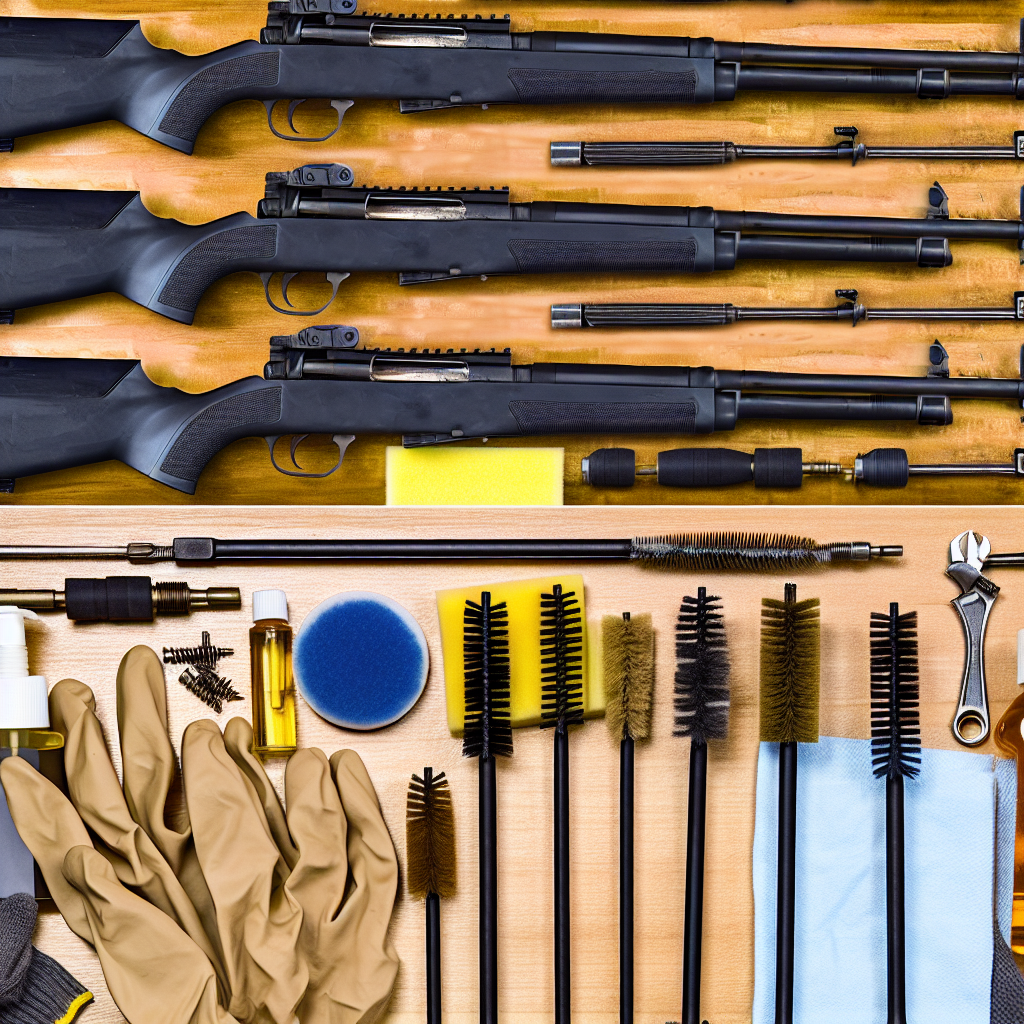
Semi-automatic rifles have become increasingly popular among hunters, sport shooters, and tactical enthusiasts due to their versatility, reliability, and rapid-fire capability. However, maintaining these firearms in optimal condition requires diligent cleaning and proper care. Regular cleaning not only ensures reliability and accuracy but also extends the lifespan of the rifle by preventing corrosion and wear.
This article delves into effective cleaning techniques specifically tailored for semi-auto rifles, addressing common challenges and offering practical tips backed by research and expert insights. Whether you are a novice or an experienced shooter, understanding these techniques can dramatically improve your firearm’s performance.
Understanding the Importance of Cleaning Semi-Auto Rifles
Semi-auto rifles operate with complex mechanisms that cycle rounds automatically after each shot. This cycling causes residue buildup in multiple areas such as the barrel, bolt carrier group (BCG), gas system, and chamber. Failure to clean these parts regularly can lead to malfunctions such as jamming or misfires.
Studies indicate that fouling from carbon deposits and unburnt powder can accumulate rapidly. According to a 2021 study published by the National Shooting Sports Foundation (NSSF), semi-auto rifles fired in dusty or humid environments exhibited a 30% increase in failure rates when not cleaned within 500 rounds.
- Reliability: Clean rifles cycle more smoothly, reducing stoppages.
- Accuracy: A clean barrel maintains consistent bullet trajectory.
- Longevity: Regular maintenance prevents rust and mechanical wear.
- Safety: Properly maintained firearms minimize the risk of accidental discharge or catastrophic failure.
Essential Tools and Materials for Cleaning Semi-Auto Rifles
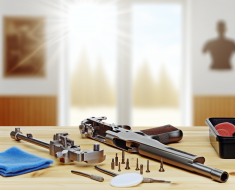
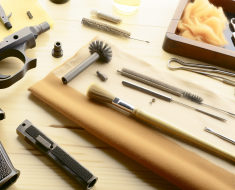
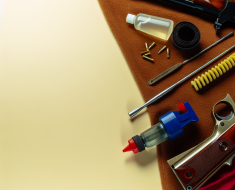
The first step toward effective cleaning is gathering the appropriate tools. Having specialized equipment designed for semi-auto rifles will make your routine easier and more efficient.
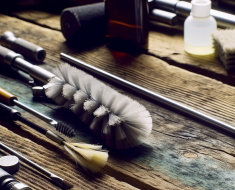
- Bore Brushes: Typically brass or nylon brushes sized to match your rifle’s caliber (e.g., .223/5.56mm or .308).
- Patches: Cotton patches used to apply solvents and oils inside the barrel.
- Cleaning Rods: Durable rods with attachments for brushes and patches; carbon fiber rods are popular for their lightweight and non-marring properties.
- Solvents: Specialized bore solvents such as Hoppe’s No. 9 or M-Pro7 designed to dissolve carbon, copper, and powder residues.
- Lubricants: High-quality gun oils like CLP (cleaner-lubricant-protector) which provide corrosion resistance while ensuring smooth operation.
- Cleaning Picks & Brushes: Small nylon brushes and picks help reach nooks like the bolt carrier group crevices.
- Microfiber Cloths & Rags: For wiping down exterior surfaces without scratching finishes.
A well-stocked cleaning kit tailored for your specific rifle model is an investment that pays dividends in reliability and firearm longevity.
Step-by-Step Cleaning Process for Semi-Auto Rifles
The cleaning process involves several stages aimed at removing fouling from key components while preserving the firearm’s mechanical integrity. The following step-by-step guide is applicable to most semi-auto rifles such as the AR-15 platform or AK variants with slight adjustments based on design differences.
1. Safety First: Unload & Inspect
Before beginning any maintenance, ensure your rifle is unloaded by removing the magazine and visually inspecting the chamber. This fundamental safety measure cannot be overstated. Work in a well-ventilated area away from distractions.
2. Field Strip Your Rifle
Dismantle your rifle according to manufacturer instructions into its main components: upper receiver, lower receiver, bolt carrier group (BCG), charging handle, barrel assembly, and gas system if applicable. For example, AR-15 style rifles typically separate into two halves by pushing out takedown pins easily with minimal tools.
3. Clean the Barrel Bore
-
Dip a bore brush into solvent and run it through the barrel several times from chamber to muzzle using a cleaning rod. This breaks up carbon deposits inside the bore lining.
-
Punch through multiple dry patches until they come out clean—this indicates all residues have been removed.
-
If copper fouling is present (common with jacketed bullets), use a copper-specific solvent followed by patching until clean.
4. Clean Bolt Carrier Group (BCG) & Charging Handle
-
The BCG experiences heavy carbon buildup around the bolt face, gas rings, extractor claw, and inside parts where gas pressure cycles operate.
-
Saturate a nylon brush with solvent then scrub all BCG components thoroughly; pay special attention to extractor springs where debris accumulates causing failures to eject spent casings properly.
-
The charging handle should also be wiped down with solvent-soaked cloths as it channels dirt during operation.
5.
Clean Gas System Components by removing the gas block and inspecting for carbon buildup. Use a brush and solvent to clean the gas tube and block thoroughly, ensuring unobstructed gas flow for reliable cycling.
Regular maintenance of your semi-auto rifle will enhance its performance and longevity.