The Role of Bore Brushes in Gun Maintenance
Gun maintenance is a critical aspect of firearm ownership, ensuring safety, reliability, and longevity. Among the myriad tools used by gun enthusiasts and professionals alike, the bore brush holds a pivotal role. This specialized cleaning tool is essential for maintaining the barrel’s integrity and performance, directly impacting the firearm’s accuracy and lifespan. This article explores the significance of bore brushes in gun maintenance, detailing their types, usage techniques, and practical benefits supported by real-world examples and statistics.
Understanding Bore Brushes: What They Are and Why They Matter
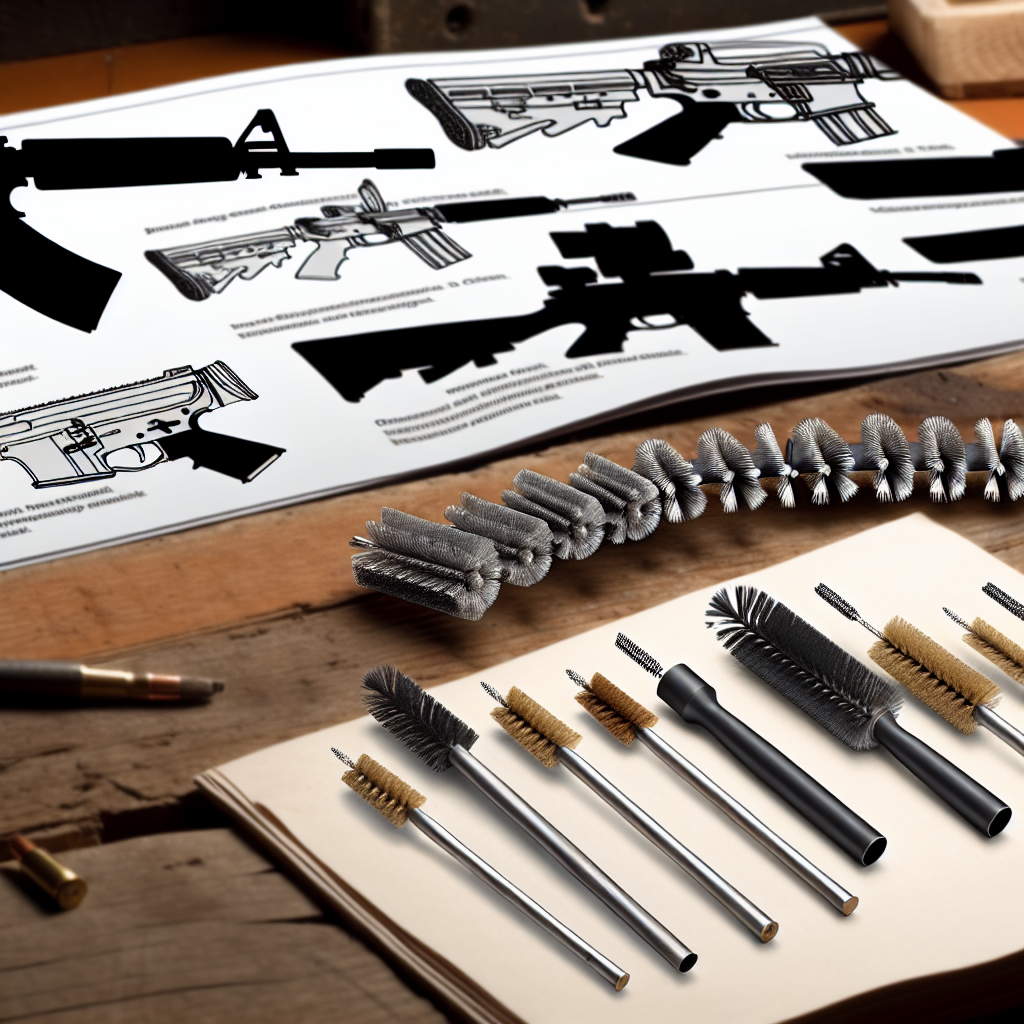
A bore brush is a cylindrical cleaning tool designed specifically to clean the inside of a firearm’s barrel. Made typically from brass, nylon, or stainless steel bristles attached to a metal core, bore brushes vary in size to match different calibers and barrel diameters.
The primary purpose of a bore brush is to remove fouling—residue left behind from firing ammunition—including powder deposits, copper or lead buildup from bullets, carbon residue, and other contaminants that accumulate inside the barrel over time. If neglected, this fouling can degrade accuracy, cause corrosion, and even result in dangerous malfunctions.
- Material Composition: Brass brushes are softer than steel and suitable for regular cleaning without damaging the rifling. Stainless steel brushes are more aggressive and used for stubborn fouling but require careful handling.
- Bristle Size: The diameter must closely match the bore size to effectively clean without scratching.
- Compatibility: Some brushes are designed for specific firearms like rifles, shotguns, or pistols.
According to a survey conducted by the National Shooting Sports Foundation (NSSF), over 75% of gun owners perform routine cleaning after every use, with bore brushes ranking among the top tools used for barrel maintenance.
The Impact of Bore Brushes on Firearm Performance
The direct correlation between clean barrels and firearm performance cannot be overstated. Residue buildup affects bullet trajectory by altering the barrel’s internal surface characteristics. This results in decreased accuracy and inconsistent shot placement.
For example, competitive shooters often emphasize thorough bore cleaning to maintain tight groupings during matches. A study published in the Journal of Forensic Sciences analyzed precision shooting groups before and after cleaning with a bore brush. The results showed an average improvement of 20-30% in group tightness post-cleaning.
- Improved Accuracy: Removing fouling restores consistent bullet travel through the barrel’s rifling grooves.
- Enhanced Safety: Fouling can cause increased pressure inside the barrel; removing it reduces risks of barrel damage or catastrophic failure.
- Longer Barrel Life: Prevents corrosion and wear caused by corrosive residues.
Military organizations also recognize this importance. The U.S. Army’s Marksmanship Unit mandates strict cleaning protocols that include bore brushing after every training session or live-fire exercise to maintain weapon readiness and reliability.
Selecting the Right Bore Brush: Factors to Consider
Selecting an appropriate bore brush depends on several factors including caliber size, material compatibility with your firearm’s barrel composition (e.g., chrome-lined barrels vs. traditional steel), and the level of fouling expected.
- Caliber Matching: Always choose a brush that corresponds exactly to your firearm’s caliber to avoid damage or ineffective cleaning.
- Bristle Material:
- Nylon brushes: Best for light fouling or use with solvent-soaked patches; gentle on barrels but less effective on heavy residue.
- Brass brushes: Offer good cleaning power while being safe on most barrels; preferred for routine maintenance.
- Stainless steel brushes: Highly effective for stubborn deposits but should be used sparingly due to their abrasiveness.
- Barrel Type Considerations: Chrome-lined barrels tend to resist corrosion better but still benefit from regular brushing; however, aggressive brushing can wear down protective layers if done excessively.
A case study from Guns & Ammo magazine highlighted how improper use of stainless steel bore brushes accelerated rifling wear in certain AR-15 rifles over extended periods compared to those maintained primarily with brass brushes.
The Correct Technique for Using Bore Brushes Effectively
Mistakes during cleaning can negate the benefits of using a bore brush or even cause damage. Proper technique ensures thorough fouling removal while preserving barrel integrity:
- Disassembly First: Always ensure firearms are unloaded and disassembled according to manufacturer instructions before beginning any cleaning procedure.
- Saturate with Solvent: Apply a high-quality gun cleaning solvent inside the barrel to loosen fouling before brushing—this reduces abrasion during brushing.
- Attach Brush Securely: Use an appropriately sized cleaning rod with proper attachments for your bore brush; loose fittings can cause uneven pressure or damage rifling grooves.
- Brush Direction: Push the brush through from chamber end toward muzzle; never reverse direction mid-stroke as it risks catching rifling edges or causing bristle breakage inside the barrel.
-
Adequate passes with the bore brush are crucial for effective cleaning, ensuring that all fouling is removed without damaging the barrel. Regular maintenance using the correct technique will extend the life of your firearm.