Quick Gun Cleaning Tips for Hunters
For hunters, maintaining a clean and well-functioning firearm is not just a matter of preserving the equipment—it’s essential for safety, accuracy, and longevity. After a day in the field, exposure to dirt, moisture, gunpowder residue, and other elements can quickly degrade your firearm’s performance if not properly cleaned. However, hunting trips often leave little time for extensive maintenance. This article provides quick, effective gun cleaning tips designed specifically for hunters who want to maintain their firearms efficiently without sacrificing thoroughness.
The Importance of Quick Gun Cleaning After Hunting
Many hunters underestimate how quickly residue and debris can accumulate in their firearms during use. According to a study by the National Shooting Sports Foundation (NSSF), even a single outing can leave enough fouling inside the barrel and action to affect accuracy and cause corrosion if left untreated.
Quick cleaning after hunting helps prevent:
- Corrosion: Moisture from weather or handling can cause rust.
- Residue buildup: Powder fouling and carbon deposits can impair barrel performance.
- Mechanical issues: Dirt or debris can cause jams or misfires.
- Reduced accuracy: Fouling affects bullet trajectory consistency.
By performing timely cleaning, hunters ensure their firearm is reliable and ready for the next outing—minimizing downtime and costly repairs.
Essential Tools for Quick Gun Cleaning
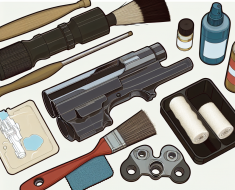
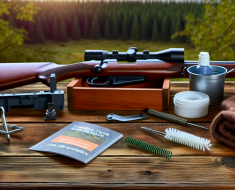
A successful quick clean doesn’t require a full armory of tools. Keeping a compact kit tailored for field use is ideal. Here are the essentials every hunter should have on hand:
- Bore snake or cleaning rod with patch holder: Ideal for quickly running through the barrel to remove fouling.
- Cleaning patches: Used with solvents to wipe down the bore and chamber.
- Solvent and lubricant/oil: Solvent breaks down carbon and powder residue; lubricant protects metal parts from rust and ensures smooth operation.
- Nylon or brass brushes: Useful for stubborn fouling but optional for rapid cleanups.
- Cotton swabs or small brushes: For cleaning tight spaces like bolt faces and trigger assemblies.
- Microfiber cloth or rag: For wiping down external surfaces to remove dirt and moisture.
A well-organized cleaning kit can fit into a small pouch or box, making it easy to carry on hunts where quick maintenance is necessary.
Step-by-Step Quick Cleaning Process
The following process balances speed with effectiveness, ensuring critical areas of your firearm are cleaned without requiring hours of work. Depending on your firearm type—bolt-action rifle, shotgun, or semi-automatic—the details may vary slightly but the principles remain consistent.
1. Safety First: Clear Your Firearm
Before any cleaning begins, always ensure the firearm is unloaded. Remove all ammunition from the area to avoid accidents. Double-check chambers visually and physically to confirm no live rounds remain.
2. Disassemble as Needed
A full strip isn’t necessary during quick cleanings; however, removing the bolt or opening the action improves access to key areas like the chamber, bolt face, and feed ramps.
3. Clean the Barrel
-
Dampen a patch with solvent and run it through the bore using your bore snake or rod to loosen fouling.
-
If time permits, run a nylon brush through once or twice; otherwise proceed directly to dry patches until they come out clean.
-
A final lightly oiled patch helps protect against corrosion during storage.
4. Wipe Down Action Components
- <pUse cotton swabs or brushes dipped in solvent to clean bolt faces, extractor areas, trigger groups (if accessible), and any nooks where powder residue accumulates.
- <pFollow with a light application of lubricant on moving parts like bolts or slides to ensure smooth cycling.
5. External Surfaces
A quick wipe-down with a microfiber cloth removes dirt and moisture from external metal surfaces and wooden/ synthetic stocks alike. This prevents rust spots especially if conditions were wet or humid during your hunt.
Troubleshooting Common Problems with Quick Cleaning
No quick clean is complete without addressing potential issues you might encounter after hunting season activities. Here are some common problems hunters face—and how quick cleaning tips help resolve them efficiently:
- Copper Fouling in Barrel: Copper buildup from bullets can reduce accuracy over time. While deep copper removal requires specialized products (like bore paste), using solvent-based patches regularly keeps copper manageable between major cleans.
- Dirt in Action Mechanisms: Mud or dust lodged in bolts or semi-auto actions can cause feeding problems. Quick disassembly combined with solvent wipes helps clear debris rapidly without disassembling the entire gun.
- Mild Rust Spots: If you spot surface rust after wet conditions, immediately applying oil after cleaning prevents progression into p
itting or deeper corrosion.
By following these quick cleaning tips, hunters can maintain their firearms in optimal condition and ensure reliable performance during their next outing.