Cleaning Your Rifle: Best Practices for Longevity
Maintaining a rifle goes beyond simple ownership; it is a critical responsibility that ensures safety, reliability, and longevity. Whether you are an avid hunter, a competitive shooter, or a firearms enthusiast, understanding how to properly clean and maintain your rifle is essential. Neglecting this crucial task can lead to malfunctions, reduced accuracy, and even permanent damage to your firearm.
In this comprehensive guide, we will explore the best practices for cleaning your rifle, supported by expert advice, relevant case studies, and practical tips. By following these guidelines, you can extend the lifespan of your firearm and keep it performing at its best for years to come.
Understanding the Importance of Regular Rifle Cleaning
Regular cleaning of your rifle is not just about aesthetics; it directly impacts the performance and safety of the weapon. When a rifle is fired, residue from gunpowder, metal shavings from bullets, dirt, moisture, and other contaminants accumulate in various parts of the firearm. Over time, these deposits can cause corrosion, mechanical failures, and decreased accuracy.
Studies have shown that firearms that are cleaned regularly have a significantly lower rate of malfunction. For example, a 2019 survey conducted by the National Shooting Sports Foundation (NSSF) found that 85% of reported firearm malfunctions were due to improper or infrequent cleaning.
- Corrosion Prevention: Moisture from humid environments or even human sweat can cause rust on metal components.
- Accuracy Maintenance: Fouling inside the barrel can affect bullet trajectory.
- Reliability: Dirt and grime can cause jams or misfires in semi-automatic and automatic rifles.
Therefore, cleaning your rifle isn’t just about preservation; it is a fundamental part of safe gun ownership.
The Essential Tools and Supplies for Effective Rifle Cleaning
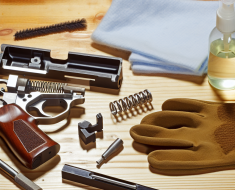
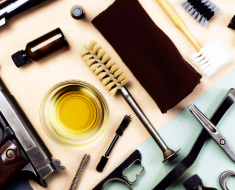
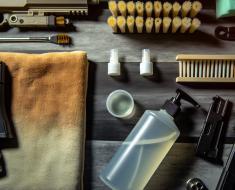
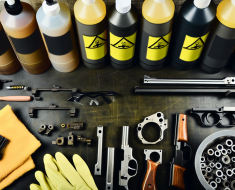
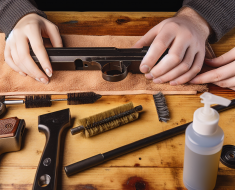
Before diving into the cleaning process itself, having the right tools is crucial. Using improper tools or low-quality supplies can do more harm than good. Here’s an overview of essential items every rifle owner should have on hand:
- Bore Brush: Typically made from bronze or nylon; used to scrub inside the barrel.
- Cleaning Rod: A sturdy rod used to push brushes and patches through the barrel. It should be appropriately sized for your rifle caliber.
- Cotton Patches: Small pieces of cloth used to apply solvent and oil inside the barrel.
- Solvent: Designed to break down carbon fouling and powder residue.
- Lubricating Oil: Prevents rust and ensures smooth mechanical operation.
- Nylon Brushes: For scrubbing smaller parts without scratching metal surfaces.
- Cleaning Mat or Towel: To protect surfaces and catch debris during cleaning.
- Punch Set & Screwdrivers: Useful for disassembling certain rifles as per manufacturer instructions.
Selecting high-quality solvents and oils that are compatible with your rifle’s finish is important. For instance, CLP (Clean-Lubricate-Protect) products are popular among many shooters because they combine multiple functions in one product.
A Step-by-Step Guide to Cleaning Your Rifle Properly
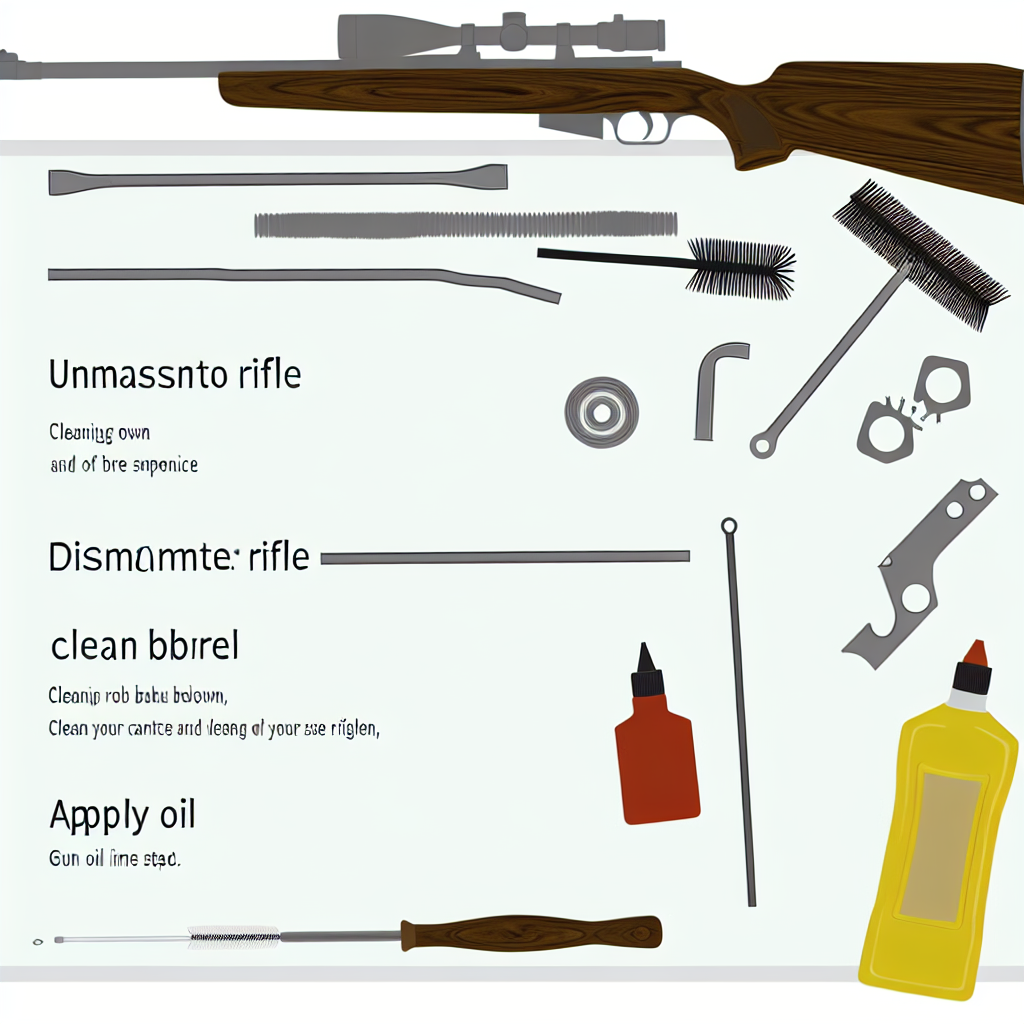
The actual cleaning process involves several detailed steps that must be executed carefully. Here’s an effective routine that balances thoroughness with efficiency:
Step 1: Safety First — Unload Your Rifle
Your first priority before any maintenance should be ensuring your rifle is completely unloaded. This means removing the magazine (if applicable), opening the action to visually inspect the chamber(s), and verifying there are no rounds present anywhere in the firearm.
Step 2: Disassemble According to Manufacturer’s Guidelines
Partial disassembly often makes cleaning easier. Follow your rifle’s manual to take apart components such as bolt carrier group, bolt assembly, trigger group (if needed), and stock if removable. Avoid forcing parts as this could damage delicate mechanisms or void warranties.
Step 3: Clean the Barrel Bore Thoroughly
- Dampen a cotton patch with solvent and push it through the barrel from chamber end towards muzzle using a cleaning rod.
- Allow solvent to soak for several minutes to break down fouling effectively.
- Use a bore brush corresponding with caliber size to scrub inside barrel multiple times (usually about 10 passes).
- Punch through clean patches until they come out without residue — usually three to five patches suffice after brushing.
This step is crucial because residue buildup inside barrels degrades accuracy substantially over time. A clean bore ensures each shot travels as intended without obstruction or inconsistent pressure build-up.
Step 4: Clean Other Components
The bolt carrier group (BCG), trigger assembly areas, magazine well, gas tubes (if applicable), chamber face, and other accessible parts require attention too. Use nylon brushes dipped in solvent for scrubbing dirt away followed by wiping dry with clean cloths or patches.
Step 5: Lubricate Moving Parts Appropriately A light application of lubricating oil on moving parts helps reduce friction and wear, ensuring smooth operation. Regular maintenance and cleaning will extend the life of your rifle and enhance its performance.